The Next Frontier: How Nuclear Electric Drive Could Transform the Future of Automobiles
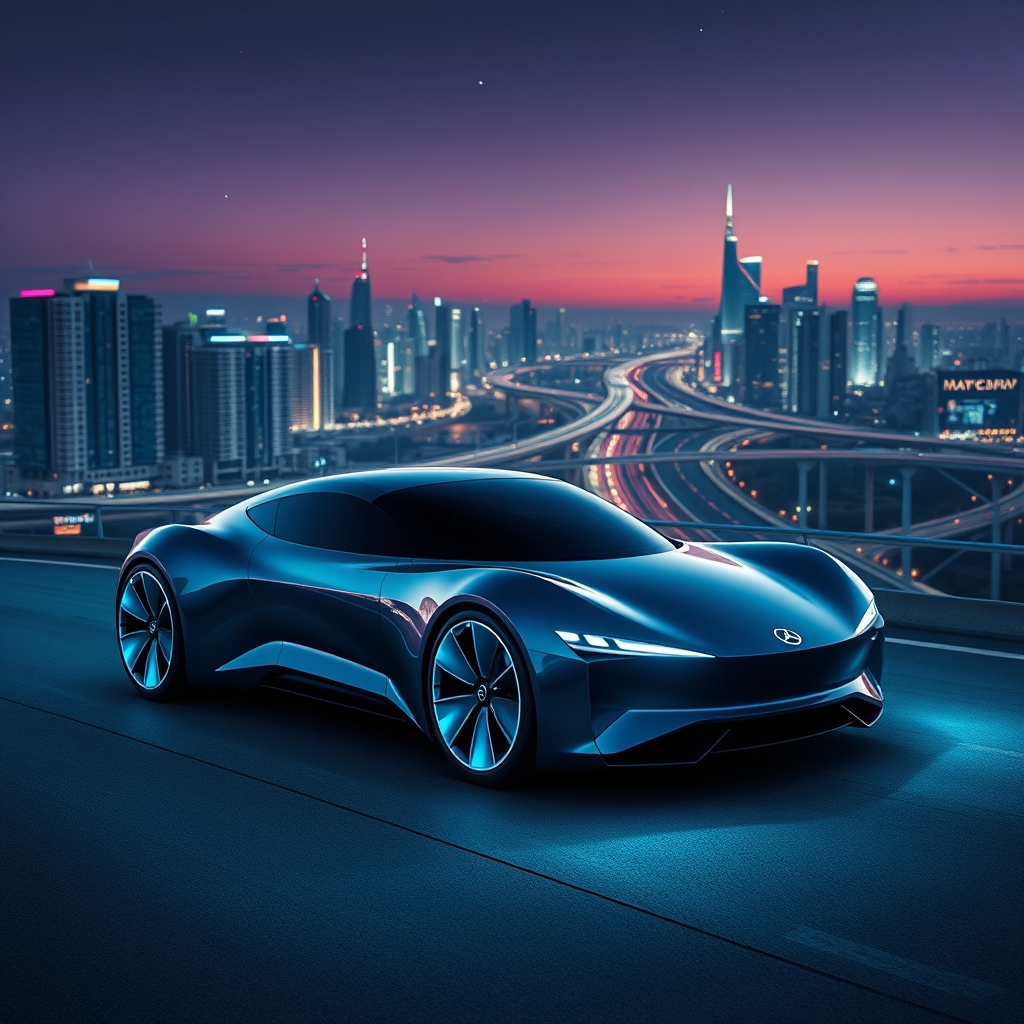
The idea of a vehicle powered by nuclear energy has long been a staple of science fiction, but recent advancements in technology are bringing this concept closer to reality. While electric vehicles (EVs) dominate the conversation about sustainable transportation, a quieter revolution is brewing—one that could redefine the boundaries of automotive endurance, efficiency, and independence. At the heart of this revolution lies the nuclear electric drive, a system that could propel vehicles for decades without the need for refueling, charging stations, or even sunlight.
The Science Behind Nuclear Electric Drive
A nuclear electric drive system leverages the immense energy stored in radioactive materials to generate electricity, which then powers an electric motor. Unlike traditional internal combustion engines or even modern EVs, this system doesn’t rely on chemical reactions or external power sources. Instead, it taps into the radioisotope thermoelectric generator (RTG) or small modular reactor (SMR) technology, both of which have been proven in space exploration and military applications.
RTGs, for instance, have powered NASA’s Voyager spacecraft, the Curiosity rover on Mars, and even the Cassini mission to Saturn. These devices convert the heat released by the natural decay of radioactive isotopes—such as plutonium-238—into electricity using thermocouples. While RTGs are not as powerful as full-scale nuclear reactors, they offer unparalleled longevity and reliability, making them ideal for applications where maintenance is impossible or impractical.
From Space to the Streets
The leap from space exploration to terrestrial vehicles is not as far-fetched as it might seem. The principles governing RTGs and SMRs are scalable, and recent breakthroughs in miniature nuclear reactor design have made it feasible to integrate these systems into automobiles. Companies and research institutions are exploring ways to shrink reactors to a size that could fit under the hood of a car while ensuring safety and efficiency.
One of the most promising developments is the use of depleted uranium shielding to contain radiation. This material is dense enough to block harmful emissions while being lightweight enough for automotive applications. Combined with advanced materials like carbon composites, these shielding techniques could make nuclear-powered vehicles safer than ever before.
The Ford Nucleon Concept: A Glimpse into the Past and Future
The idea of a nuclear-powered car is not new. In 1958, Ford unveiled the Ford Nucleon, a concept vehicle designed to run on a small nuclear reactor. The Nucleon was never built, but its futuristic design and ambitious vision captured the imagination of engineers and the public alike. Today, with advancements in nuclear technology, the Nucleon’s dream is inching closer to reality.
The Nucleon’s reactor was intended to be swapped out like a battery, allowing drivers to “refuel” by replacing the spent reactor core with a fresh one. While this approach may not be practical for consumer vehicles, it highlights the potential for modular nuclear propulsion systems that could be serviced or upgraded without overhauling the entire vehicle.
Challenges and Misconceptions
Despite its promise, nuclear-powered automotive propulsion faces significant hurdles. The most obvious concern is safety. The public’s perception of nuclear energy is often shaped by high-profile disasters like Chernobyl and Fukushima, which can make the idea of a nuclear-powered car seem reckless. However, modern nuclear reactors are designed with multiple layers of safety, including passive cooling systems that don’t rely on external power or human intervention.
Another challenge is regulatory approval. Governments around the world have strict regulations governing the use of radioactive materials, and convincing authorities to approve nuclear-powered vehicles for public roads will require rigorous testing and transparency. Additionally, the infrastructure for maintaining and servicing these vehicles would need to be developed from scratch, posing logistical and economic challenges.
The Road Ahead: A Self-Powered Future
Imagine a world where your car never needs to be refueled or recharged. A vehicle that could drive for decades on a single “charge,” powered by the silent, invisible energy of nuclear fission. This is the promise of nuclear electric drive—a technology that could eliminate range anxiety, reduce dependence on fossil fuels, and even enable long-distance travel to remote areas without access to charging infrastructure.
Beyond personal vehicles, nuclear propulsion could revolutionize industries like shipping, aviation, and even space exploration. Freight trucks equipped with radioisotope power systems could traverse continents without stopping, while nuclear-powered aircraft could enable ultra-long-haul flights without the need for refueling. The possibilities are as vast as they are exciting.
Yet, for all its potential, the path to nuclear-powered vehicles is not without obstacles. Public skepticism, regulatory hurdles, and technical challenges must be overcome before these vehicles can become a reality. But as history has shown, innovation often begins with bold ideas that seem impossible—until they’re not. The atomic-powered car may still be a vision of the future, but with each passing year, that future grows a little closer. The road ahead is long, but the destination could redefine what it means to drive.