The Hidden Chemistry: How Fuel Additives Work at the Molecular Level to Unlock Engine Potential
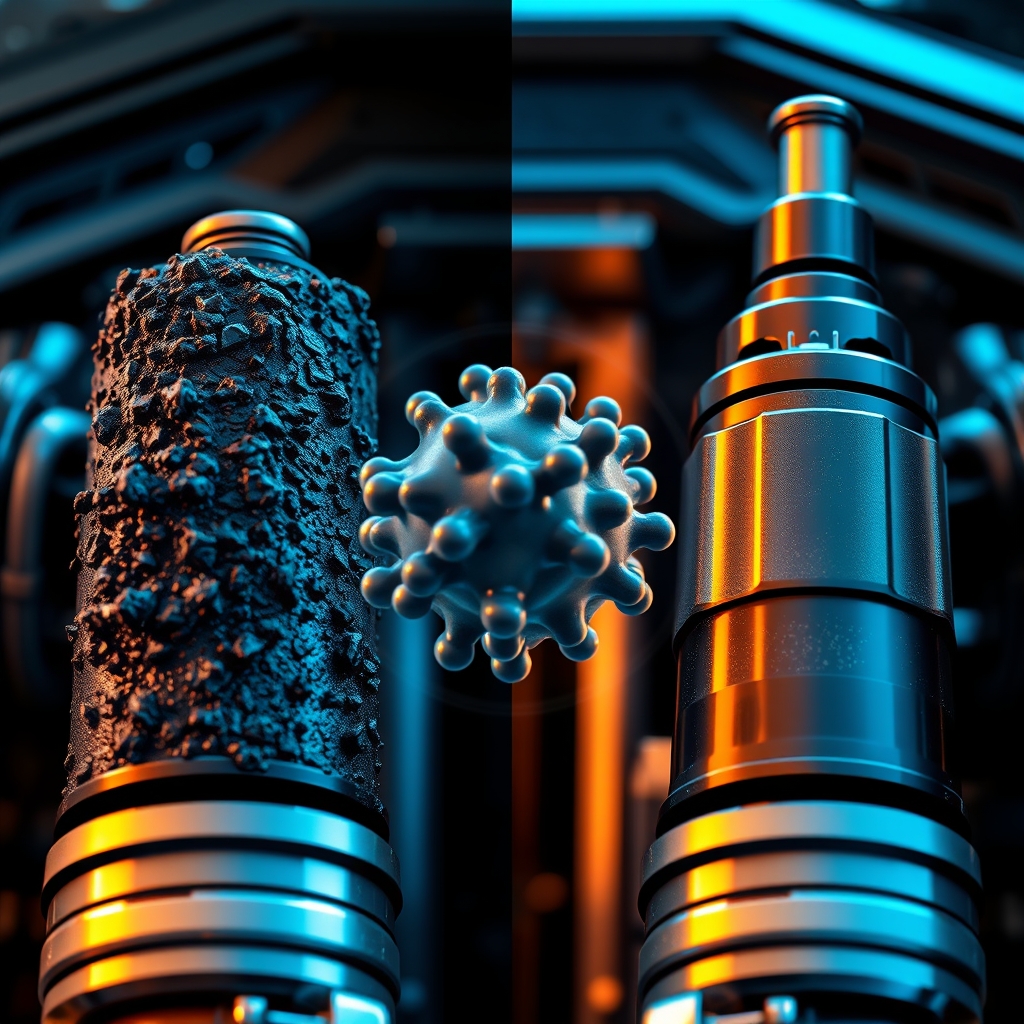
Every time you fill up your tank, you’re not just pumping fuel—you’re introducing a complex cocktail of hydrocarbons, oxygenates, and, if you’re smart, a carefully engineered blend of additives designed to optimize performance. These microscopic powerhouses, often overlooked, work tirelessly behind the scenes to clean, protect, and enhance your engine. But how exactly do they function at the molecular level, and why should you care? The answer lies in the intricate dance of chemistry that unfolds every time you turn the key.
The Science of Combustion: Where Additives Make Their Mark
At the heart of every internal combustion engine is a controlled explosion—one that relies on the precise mixing of fuel and air to generate power. However, this process is far from perfect. Over time, incomplete combustion leads to carbon deposits, which cling to fuel injectors, intake valves, and combustion chambers like stubborn barnacles on a ship’s hull. These deposits disrupt airflow, alter fuel spray patterns, and ultimately degrade performance. This is where fuel injector cleaners and direct injection detergents step in.
Modern additives like polyetheramine (PEA) and polyisobutylene amine (PIBA) are designed to dissolve these deposits at the molecular level. PEA, for instance, contains polar molecules that attach themselves to carbon deposits, breaking them down into smaller, combustible particles. As these particles burn away, they restore optimal fuel flow and spray patterns, ensuring that your engine runs as efficiently as the day it rolled off the assembly line. The result? Improved throttle response, better fuel economy, and reduced emissions—all from a few ounces of liquid chemistry.
Boosting Octane and Cetane: The Role of Performance Enhancers
Not all fuels are created equal. Gasoline’s octane rating and diesel’s cetane number are critical measures of their ability to resist knocking and ignite efficiently, respectively. Low-quality fuel can lead to engine knocking, poor combustion, and even long-term damage. This is where octane boosters and cetane improvers come into play.
Octane boosters, often containing methylcyclopentadienyl manganese tricarbonyl (MMT) or ferrocene, work by altering the fuel’s chemical structure to increase its resistance to pre-ignition. On the diesel side, cetane improvers like 2-ethylhexyl nitrate (2-EHN) accelerate the fuel’s ignition delay, ensuring a smoother, more complete burn. For those seeking a greener alternative, bio cetane boosters derived from renewable sources like algae or plant oils are emerging as viable options, offering the same performance benefits with a reduced environmental footprint.
Friction Modifiers and Anti-Gel Agents: Protecting Your Engine in Extreme Conditions
Engines don’t just struggle with deposits and poor combustion—they also face the relentless wear and tear of friction and the challenges of extreme temperatures. Friction modifiers, such as molybdenum disulfide (MoS2) or organic friction reducers (OFRs), form a protective layer on metal surfaces, reducing wear and improving efficiency. These additives are particularly valuable in high-performance engines, where every fraction of a horsepower counts.
For diesel engines, cold weather presents a unique challenge: fuel gelling. As temperatures drop, the paraffin wax in diesel fuel begins to crystallize, clogging fuel filters and starving the engine of fuel. Diesel anti-gel additives work by lowering the fuel’s cold filter plugging point (CFPP), preventing wax crystals from forming and ensuring smooth operation even in sub-zero conditions. Ingredients like ethylene-vinyl acetate (EVA) copolymers are commonly used to achieve this effect, making them a winter essential for diesel owners.
The Rise of Eco-Friendly and Synthetic Additives
As environmental regulations tighten and consumers become more eco-conscious, the fuel additive industry is evolving. Eco-friendly fuel additives are gaining traction, offering the same performance benefits without the harmful side effects of traditional chemicals. For example, oxygenated fuel additives like ethanol or methyl tert-butyl ether (MTBE) improve combustion efficiency, reducing harmful emissions like carbon monoxide and unburned hydrocarbons. Meanwhile, glycerol derivative additives, derived from biodiesel production, are being explored as sustainable alternatives to petroleum-based detergents.
On the cutting edge, graphene fuel additives are making waves. Graphene, a single layer of carbon atoms arranged in a hexagonal lattice, is one of the strongest and most conductive materials known to science. When added to fuel, graphene nanoparticles improve lubricity, reduce friction, and enhance thermal conductivity, leading to more efficient combustion and lower emissions. While still in the early stages of adoption, graphene additives represent the next frontier in fuel technology, promising to redefine what’s possible in engine performance and sustainability.
Choosing the Right Additive for Your Engine
With so many options on the market, selecting the right fuel additive can feel overwhelming. The key is to match the additive to your engine’s specific needs. For gasoline engines, a fuel system cleaner with PEA or PIBA can work wonders for removing deposits, while a synthetic fuel additive with friction modifiers can enhance performance and longevity. Diesel owners, on the other hand, should consider a cetane improver for better ignition and an anti-gel additive for winter protection.
For those looking to reduce their environmental impact, bio cetane boosters and oxygenated additives offer a greener alternative without sacrificing performance. And if you’re driving a high-mileage vehicle, a carbon deposit remover can help restore lost power and efficiency by cleaning out years of built-up gunk. The bottom line? A little chemistry can go a long way in keeping your engine running smoothly, efficiently, and sustainably.
Every drop of fuel that enters your engine carries with it the potential to either degrade or enhance performance. The difference lies in the additives you choose. By understanding the science behind these microscopic marvels, you can make informed decisions that not only extend the life of your engine but also reduce your environmental footprint. In a world where every mile counts, fuel additives are the unsung heroes that keep your engine running at its best, one molecule at a time.