The Future of Engine Performance: How Smart Fuel Systems Are Redefining Efficiency
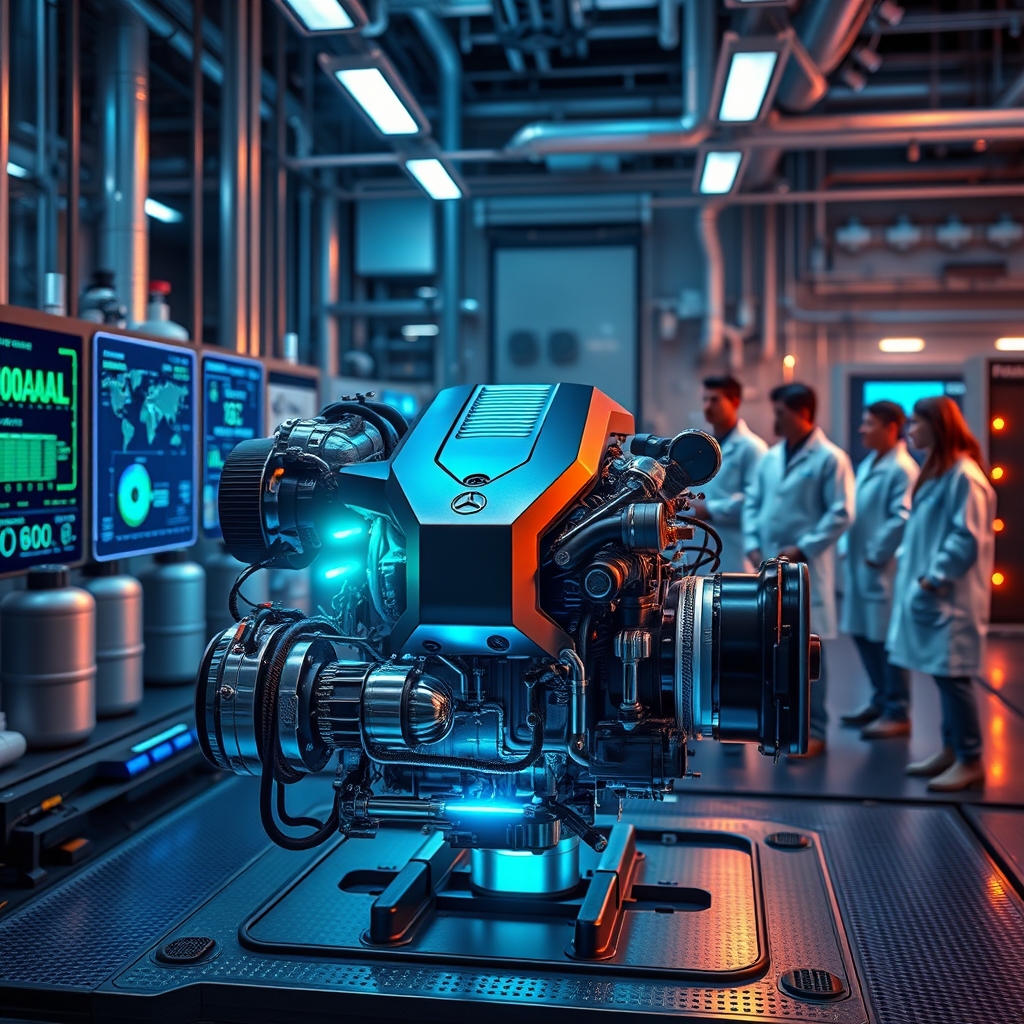
In an era where sustainability and efficiency are no longer optional but essential, the automotive and industrial engine sectors are undergoing a transformative shift. The integration of advanced technologies is not just enhancing performance but also redefining how engines consume fuel, reduce emissions, and adapt to real-time conditions. At the heart of this evolution lies a suite of innovations collectively driving the next generation of optimized combustion efficiency and eco-conscious engine operation.
The Role of Real-Time Fuel Monitoring in Modern Engines
Traditional engines operated on static fuel maps, often leading to inefficiencies, especially under varying load conditions. Today, real-time fuel monitoring systems leverage sensors and IoT connectivity to provide instantaneous feedback on fuel consumption, air-fuel ratios, and combustion quality. These systems enable engines to adjust dynamically, ensuring optimal performance whether idling in traffic or cruising on the highway. The result? A significant reduction in wasted fuel and a corresponding drop in harmful emissions.
For fleet operators and industrial applications, this technology is a game-changer. By tracking fuel usage in real time, businesses can identify inefficiencies, optimize routes, and even predict maintenance needs before they escalate into costly repairs. The data collected doesn’t just improve performance—it also provides actionable insights for long-term sustainability strategies.
Predictive Engine Performance: The Power of Data-Driven Insights
The concept of predictive engine performance is rooted in the idea that engines should not just react to conditions but anticipate them. Using machine learning algorithms and historical data, modern engines can now predict optimal operating parameters under different scenarios. For instance, an engine might adjust its fuel injection timing based on anticipated load changes, weather conditions, or even the driver’s behavior.
This level of adaptive fuel injection and responsive engine calibration ensures that engines operate at peak efficiency at all times. It also extends the lifespan of engine components by reducing wear and tear caused by suboptimal combustion. For industries reliant on heavy machinery, such as construction or agriculture, this translates to lower operational costs and reduced downtime.
Sustainable Fuel Integration: Beyond Fossil Fuels
While optimizing traditional fuel systems is critical, the future of engine performance also hinges on sustainable fuel integration. Biofuels, hydrogen, and synthetic fuels are no longer experimental—they are viable alternatives that can be seamlessly incorporated into existing engine architectures. The challenge lies in ensuring these fuels burn as efficiently as their fossil-based counterparts, if not more so.
Advanced combustion analysis tools are making this possible. By studying the chemical properties of alternative fuels and their interaction with engine components, engineers can fine-tune combustion processes to maximize energy output while minimizing emissions. This approach not only supports carbon footprint reduction but also future-proofs engines against evolving regulatory standards.
Precision Engine Tuning: The Art of Balancing Power and Efficiency
Gone are the days when engine tuning was a trial-and-error process. Today, precision engine tuning relies on sophisticated software and hardware to achieve the perfect balance between power delivery and fuel efficiency. Tools like dynamometers, ECU remapping, and AI-driven calibration systems allow tuners to make micro-adjustments that have macro impacts on performance.
For high-performance applications, such as motorsports or aerospace, this level of precision is non-negotiable. Even in everyday vehicles, precision tuning can unlock hidden potential, improving throttle response, torque delivery, and overall drivability. The key is leveraging data-driven fuel analytics to ensure every adjustment is backed by empirical evidence, not guesswork.
Enhanced Thermal Efficiency: Getting More from Every Drop
Thermal efficiency—the measure of how well an engine converts fuel into usable energy—has long been a bottleneck in engine design. However, innovations in enhanced thermal efficiency are changing the game. Techniques such as waste heat recovery, advanced turbocharging, and low-friction coatings are pushing the boundaries of what’s possible.
For example, waste heat recovery systems capture energy that would otherwise be lost through exhaust gases and repurpose it to power auxiliary systems or even generate electricity. This not only improves overall efficiency but also reduces the load on the engine, further extending its lifespan. When combined with dynamic fuel optimization, these systems ensure that every drop of fuel is utilized to its fullest potential.
The Rise of Intelligent Fuel Management Systems
At the intersection of all these advancements lies intelligent fuel management. These systems act as the brain of the engine, integrating inputs from sensors, predictive algorithms, and real-time data to make split-second decisions. Whether it’s adjusting fuel injection rates, optimizing air intake, or managing exhaust gas recirculation, intelligent fuel management ensures the engine operates in its most efficient state at all times.
For consumers, this means better fuel economy, lower emissions, and a smoother driving experience. For businesses, it translates to reduced operational costs and compliance with increasingly stringent environmental regulations. The beauty of these systems is their adaptability—they learn and evolve, becoming more efficient with every mile driven or hour operated.
The journey toward fully optimized engine performance is far from over, but the progress made so far is nothing short of revolutionary. As technologies like AI, IoT, and advanced materials continue to evolve, engines will become even smarter, cleaner, and more efficient. The shift is not just about meeting today’s standards but reimagining what’s possible for the future of transportation and industry. With every innovation, we move closer to a world where engines don’t just consume fuel—they use it wisely, responsibly, and sustainably, ensuring a greener planet for generations to come.