The Silent Revolution: How Advanced Driver Assistance Systems and Autonomous Driving Hardware Are Redefining Safety and Connectivity
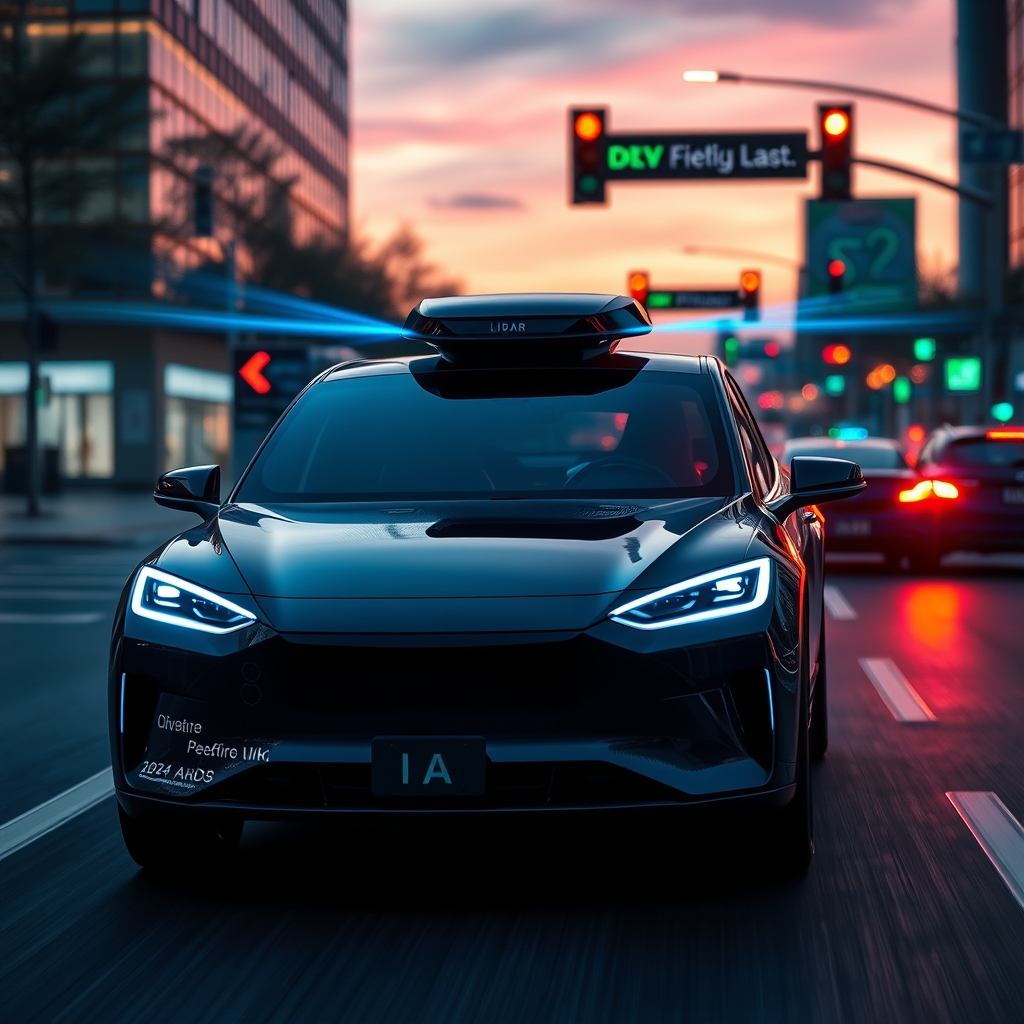
The automotive industry is undergoing a seismic shift, one where the lines between driver and machine are blurring, and safety is no longer just a feature but a dynamic, intelligent system. At the heart of this transformation lies Advanced Driver Assistance Systems (ADAS) and the sophisticated autonomous driving hardware that powers them. These technologies are not merely enhancing the driving experience—they are redefining what it means to be on the road, turning vehicles into proactive guardians of safety and efficiency.
The Evolution of ADAS: From Convenience to Necessity
Advanced Driver Assistance Systems have evolved from simple parking sensors and lane departure warnings into complex, multi-layered networks that can anticipate hazards, adjust vehicle dynamics, and even take control in critical situations. Modern ADAS relies on a symphony of sensors—cameras, radar, LiDAR, and ultrasonic devices—each feeding real-time data into a central Electronic Control Unit (ECU) that processes information faster than the human brain.
Features like adaptive cruise control, automatic emergency braking, and blind-spot monitoring are now standard in many vehicles, but the next generation of ADAS is pushing boundaries further. Systems like traffic jam assist and highway pilot are enabling semi-autonomous driving, where the vehicle can navigate complex traffic scenarios with minimal driver input. This shift is not just about convenience; it’s about reducing human error, which remains the leading cause of road accidents.
The Role of Sensor Fusion in ADAS
The true power of ADAS lies in sensor fusion, where data from multiple sources is combined to create a comprehensive, real-time understanding of the vehicle’s surroundings. For instance, a camera might detect a pedestrian stepping into the road, while radar measures their speed and distance, and LiDAR maps the environment in 3D. The ECU then synthesizes this data to make split-second decisions, such as applying the brakes or steering away from danger.
This level of integration requires not only advanced hardware but also robust Controller Area Network (CAN) bus systems to ensure seamless communication between sensors, actuators, and control units. The result is a vehicle that doesn’t just react to its environment but anticipates it, creating a safer and more intuitive driving experience.
Autonomous Driving Hardware: The Brain Behind the Wheel
While ADAS enhances the driver’s capabilities, autonomous driving hardware is designed to replace them entirely—or at least, as much as current technology allows. The hardware powering autonomous vehicles is a marvel of modern engineering, combining high-performance computing, artificial intelligence, and redundant safety systems to create a self-driving ecosystem.
The Central Nervous System: High-Performance Computing
At the core of autonomous driving hardware is the autonomous driving computer, often powered by specialized chips like NVIDIA’s DRIVE platform or Qualcomm’s Snapdragon Ride. These systems are capable of processing terabytes of data per second, running complex algorithms that enable real-time decision-making. Unlike traditional ECUs, which handle specific functions, these computers act as the brain of the vehicle, coordinating everything from perception to path planning.
Redundancy and Fail-Safes: The Key to Reliability
Autonomous vehicles cannot afford a single point of failure, which is why redundancy is built into every layer of their hardware. For example, if the primary LiDAR system malfunctions, backup cameras and radar take over. Similarly, the vehicle’s power inverter module and electric drive module are designed with fail-safe mechanisms to ensure continuous operation, even in the event of a partial system failure. This level of redundancy is critical for gaining public trust and regulatory approval.
The Role of High-Voltage Cabling and Thermal Management
Autonomous driving hardware generates an immense amount of heat, which is why thermal management systems are just as important as the computing hardware itself. Liquid cooling systems, heat sinks, and advanced materials are used to dissipate heat and maintain optimal operating temperatures. Additionally, high-voltage cabling ensures that power is delivered efficiently to all components, from the sensors to the electric drive module, without compromising safety or performance.
The Future of Connectivity: Vehicle-to-Everything (V2X) Communication
ADAS and autonomous driving hardware are not operating in isolation. The next frontier is Vehicle-to-Everything (V2X) communication, where vehicles exchange data with infrastructure, pedestrians, and other vehicles in real time. This technology enables a level of situational awareness that goes beyond what sensors alone can provide. For example, a vehicle approaching an intersection can receive data from traffic lights, other vehicles, and even pedestrians’ smartphones to anticipate potential hazards before they come into view.
V2X communication relies on a combination of wireless vehicle charging infrastructure, 5G networks, and dedicated short-range communications (DSRC). As smart cities evolve, V2X will become a cornerstone of urban mobility, reducing congestion, improving safety, and enabling more efficient energy use through technologies like Vehicle-to-Grid (V2G).
Challenges and Opportunities on the Road Ahead
Despite the rapid advancements, several challenges remain before ADAS and autonomous driving hardware can achieve widespread adoption. Regulatory hurdles, cybersecurity concerns, and the need for standardized communication protocols are just a few of the obstacles that must be overcome. Additionally, the cost of these technologies remains high, limiting their accessibility to premium vehicles.
However, the opportunities far outweigh the challenges. As solid-state batteries and smart charging infrastructure become more prevalent, the energy demands of autonomous vehicles will be met with greater efficiency. Meanwhile, advancements in digital instrument clusters and automotive sensor networks will continue to enhance the user experience, making vehicles more intuitive and connected than ever before.
The road to fully autonomous driving is still under construction, but the foundation is being laid today. Every sensor, every line of code, and every innovation in hardware brings us closer to a future where vehicles are not just modes of transport but intelligent partners in mobility. As these technologies mature, they will not only redefine safety and connectivity but also transform the very fabric of how we interact with the world around us. The silent revolution is already underway, and its impact will be felt for generations to come.