The Pulse of Progress: How Solid State Batteries and Electric Drive Modules Are Electrifying the Future of Mobility
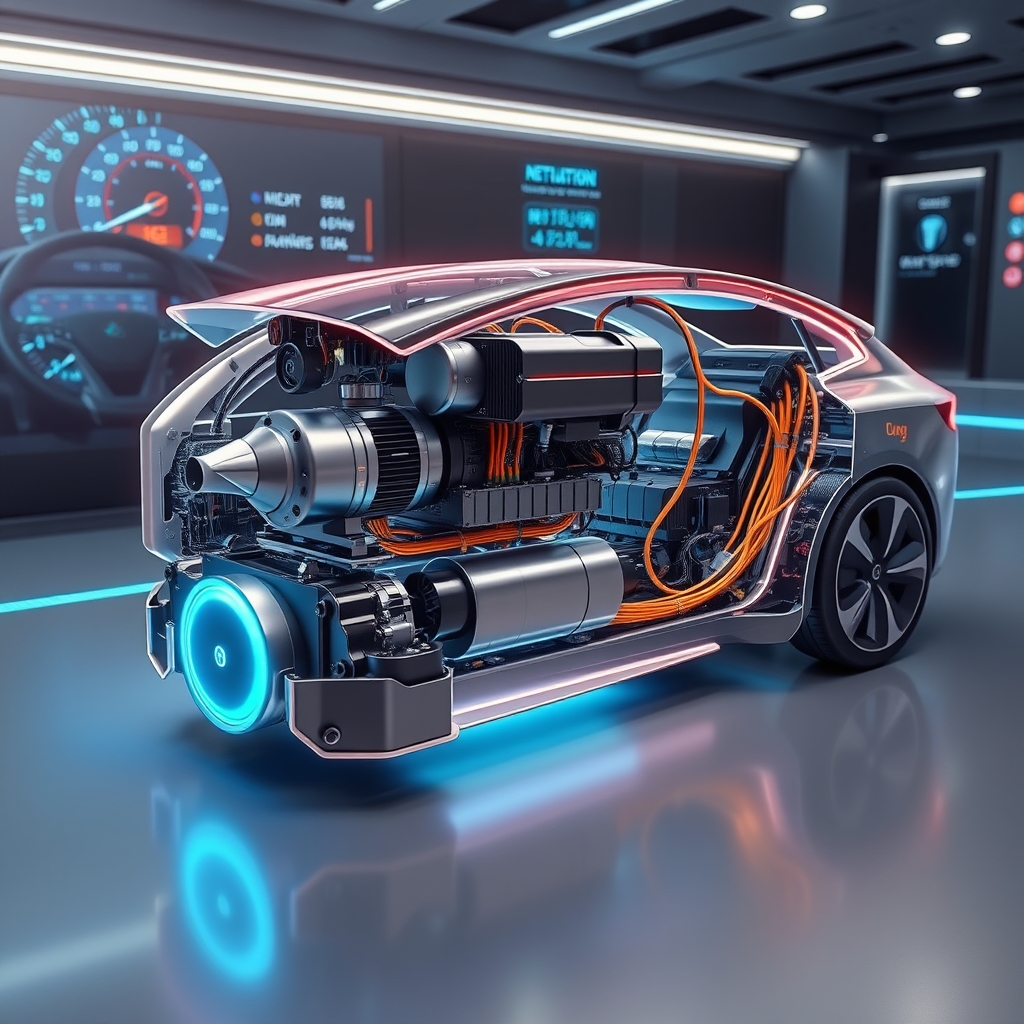
The automotive industry is undergoing a seismic shift, one where the hum of internal combustion engines is being replaced by the quiet whir of electric motors. At the heart of this transformation lies a constellation of technologies that are redefining what it means to drive. Among these, solid state batteries and electric drive modules stand out as game-changers, promising to unlock unprecedented levels of performance, safety, and sustainability. But they are not alone—an intricate web of innovations is working in harmony to propel electric vehicles (EVs) into a new era.
The Silent Revolution: Solid State Batteries
For decades, lithium-ion batteries have been the workhorse of electric mobility, but their limitations—range anxiety, charging times, and safety concerns—have long been a bottleneck. Enter solid state batteries, a technology that replaces the liquid or gel electrolyte in traditional batteries with a solid material. This seemingly simple change has profound implications. Solid state batteries offer higher energy density, meaning they can store more power in the same space, extending the range of EVs without increasing their size. They also charge faster, reducing downtime and making electric vehicles more convenient for everyday use.
Safety is another critical advantage. Liquid electrolytes in conventional batteries are flammable, posing a risk of thermal runaway—a dangerous chain reaction that can lead to fires. Solid state batteries, by contrast, are far more stable, virtually eliminating this risk. This not only enhances the safety of EVs but also opens the door to new design possibilities, as engineers can reduce the need for bulky thermal management systems and fire suppression mechanisms.
The Powerhouse: Electric Drive Modules
While batteries store energy, electric drive modules (EDMs) are responsible for converting that energy into motion. An EDM typically integrates an electric motor, a power inverter module, and a gearbox into a single, compact unit. This integration is a masterclass in efficiency, reducing weight, complexity, and energy losses compared to traditional drivetrain architectures.
The power inverter module is a key component of the EDM, converting the direct current (DC) from the battery into alternating current (AC) to drive the motor. Advances in semiconductor technology, particularly the use of silicon carbide (SiC) and gallium nitride (GaN), have made inverters more efficient, reducing energy losses and improving overall vehicle performance. Meanwhile, the electric motor itself is evolving, with innovations like permanent magnet synchronous motors (PMSMs) and induction motors offering higher torque, better efficiency, and greater reliability.
Regenerative Braking: Capturing Energy on the Go
One of the most elegant features of electric drive modules is their ability to harness energy that would otherwise be lost. Regenerative braking systems work by converting the kinetic energy generated during braking back into electrical energy, which is then fed back into the battery. This not only improves the overall efficiency of the vehicle but also extends its range, particularly in stop-and-go urban driving conditions. The integration of regenerative braking with advanced battery management systems (BMS) ensures that this energy is captured and stored optimally, further enhancing the vehicle’s performance.
The Nervous System: Electronic Control Units and Automotive Wiring Harnesses
Behind the scenes, a complex network of electronic control units (ECUs) and automotive wiring harnesses acts as the nervous system of an electric vehicle. ECUs are specialized computers that manage everything from battery performance to advanced driver assistance systems (ADAS). In modern EVs, these units are interconnected via a Controller Area Network (CAN) bus, a robust communication protocol that allows them to share data in real time. This seamless integration is critical for functions like adaptive cruise control, lane-keeping assistance, and autonomous driving features.
The automotive wiring harness, often overlooked, is the circulatory system of the vehicle, distributing power and signals to every component. In electric vehicles, high voltage cabling is a particularly critical element, as it must safely and efficiently transmit large amounts of electrical energy from the battery to the electric drive module and other high-power systems. Innovations in materials and design are making these harnesses lighter, more durable, and easier to install, reducing manufacturing costs and improving vehicle reliability.
Thermal Management: Keeping the System Cool
Heat is the enemy of efficiency in electric vehicles. Batteries, motors, and power electronics all generate heat during operation, and if not properly managed, this heat can degrade performance and shorten the lifespan of components. Thermal management systems (TMS) are designed to maintain optimal operating temperatures, using a combination of liquid cooling, air cooling, and advanced materials like phase-change materials (PCMs). These systems are becoming increasingly sophisticated, with some even incorporating heat pumps to repurpose waste heat for cabin climate control, further improving energy efficiency.
The Road Ahead: Autonomous Driving and Vehicle-to-Grid Technology
As electric vehicles become more advanced, they are also becoming more connected and intelligent. Autonomous driving hardware, including lidar, radar, and high-resolution cameras, is enabling vehicles to perceive and navigate their surroundings with unprecedented accuracy. These systems rely on powerful onboard computers and machine learning algorithms to make split-second decisions, paving the way for fully autonomous driving in the future.
Vehicle-to-grid (V2G) technology is another exciting frontier, turning electric vehicles into mobile energy storage units that can feed power back into the grid. This not only provides a potential revenue stream for EV owners but also helps stabilize the grid by balancing supply and demand. When combined with smart charging infrastructure, V2G technology can transform electric vehicles into a cornerstone of a sustainable energy ecosystem, where cars are not just consumers of electricity but active participants in the energy market.
The journey toward a fully electric future is not just about replacing engines with batteries—it’s about reimagining the entire architecture of the vehicle. From the solid state batteries that store energy to the electric drive modules that convert it into motion, every component is being optimized for efficiency, safety, and sustainability. As these technologies continue to evolve, they will not only reshape the way we drive but also redefine our relationship with energy, transportation, and the environment. The road ahead is electric, and it’s brighter than ever.