Revolutionizing the Road: How Cutting-Edge Electric Vehicle Technologies Are Redefining Automotive Design
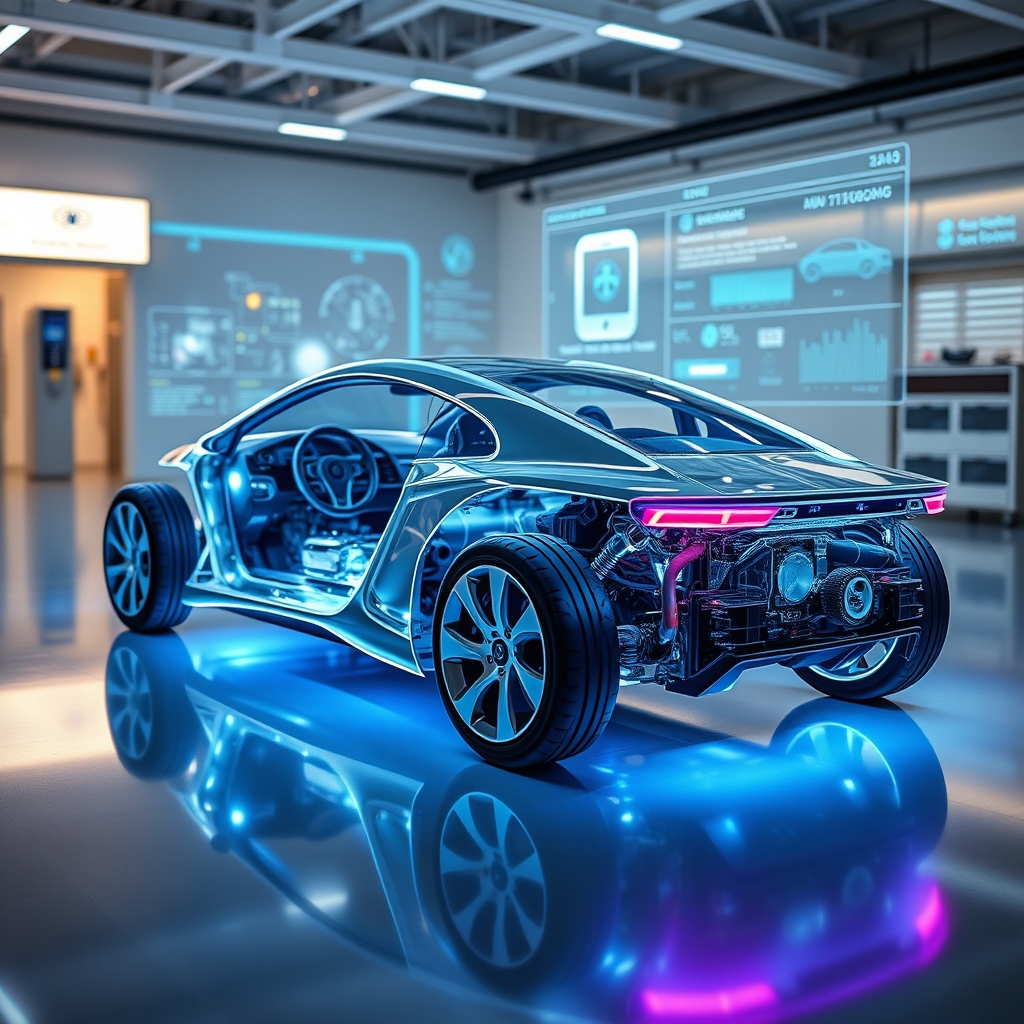
The automotive industry is undergoing a seismic shift, driven by innovations that are not just enhancing performance but fundamentally reimagining how vehicles are designed, powered, and integrated into our daily lives. At the heart of this transformation lies a suite of advanced technologies that are quietly revolutionizing electric vehicles (EVs), making them smarter, more efficient, and increasingly autonomous. From the microscopic architecture of batteries to the intricate networks that connect every component, these advancements are setting the stage for a future where cars are no longer just modes of transport but intelligent, energy-efficient ecosystems.
The Power Within: Solid State Batteries and Beyond
One of the most talked-about breakthroughs in EV technology is the development of solid state batteries. Unlike traditional lithium-ion batteries, which rely on liquid or gel electrolytes, solid state batteries use a solid electrolyte, offering a host of advantages. They promise higher energy density, which translates to longer ranges on a single charge, and significantly improved safety by eliminating the risk of leakage or combustion. Moreover, these batteries can endure more charge cycles, extending their lifespan and reducing the total cost of ownership for EV owners.
But the innovation doesn’t stop there. Researchers are also exploring alternative battery chemistries, such as lithium-sulfur and sodium-ion, which could further reduce costs and dependency on rare materials like cobalt. These advancements are not just about powering vehicles; they’re about creating a sustainable energy storage solution that could one day extend beyond automotive applications to grid storage and renewable energy integration.
The Nervous System of EVs: Battery Management Systems and Electronic Control Units
While batteries provide the energy, it’s the Battery Management System (BMS) and Electronic Control Units (ECUs) that ensure this power is harnessed efficiently and safely. The BMS acts as the brain of the battery pack, monitoring cell voltage, temperature, and state of charge to optimize performance and prevent damage. It’s a critical component that directly impacts the battery’s longevity and the vehicle’s overall efficiency.
Complementing the BMS is a network of ECUs, each responsible for controlling specific functions within the vehicle. From managing the power inverter module that converts DC power from the battery to AC power for the electric motor, to overseeing the regenerative braking system that recaptures energy typically lost during braking, these units work in harmony to create a seamless driving experience. The Controller Area Network (CAN) bus serves as the communication backbone, enabling these ECUs to exchange data in real-time, ensuring that every system operates in sync.
The Role of Advanced Sensor Networks
Modern EVs are equipped with an array of sensors that form a sophisticated automotive sensor network. These sensors monitor everything from tire pressure and ambient temperature to the position of the accelerator pedal and the angle of the steering wheel. In autonomous driving applications, sensors like LiDAR, radar, and cameras work together to create a 360-degree view of the vehicle’s surroundings, enabling features like adaptive cruise control, lane-keeping assist, and collision avoidance.
The data generated by these sensors is processed by the vehicle’s ECUs, which make split-second decisions to enhance safety, comfort, and efficiency. For instance, the Advanced Driver Assistance Systems (ADAS) rely on this sensor data to provide real-time feedback to the driver, reducing the risk of accidents and making driving less stressful. As vehicles become more autonomous, the role of these sensor networks will only grow, forming the foundation of autonomous driving hardware that can navigate complex environments with minimal human intervention.
Charging Into the Future: Smart Infrastructure and Wireless Solutions
As EVs become more prevalent, the need for a robust and intelligent charging infrastructure has never been greater. Smart charging infrastructure is emerging as a game-changer, enabling vehicles to communicate with the grid to optimize charging times, reduce energy costs, and even feed power back into the grid during peak demand through Vehicle-to-Grid (V2G) technology. This two-way flow of energy not only benefits EV owners by lowering their electricity bills but also supports the stability of the grid, making renewable energy sources more viable.
In addition to smart charging, wireless vehicle charging is poised to eliminate one of the last remaining pain points of EV ownership: the need to plug in. Using inductive charging technology, vehicles can recharge simply by parking over a charging pad, either at home or in public spaces. This technology is still in its early stages, but as it matures, it could make EV charging as effortless as parking your car, further accelerating the adoption of electric vehicles.
Thermal Management: The Unsung Hero of EV Performance
While batteries and charging infrastructure often steal the spotlight, the thermal management system plays a crucial role in ensuring that EVs operate efficiently and safely. Batteries, power electronics, and electric motors generate significant heat during operation, and without proper cooling, this heat can degrade performance, reduce battery life, and even pose safety risks. Advanced thermal management systems use liquid cooling, phase-change materials, and even heat pumps to maintain optimal temperatures across all components.
In cold climates, these systems also ensure that the battery remains warm enough to deliver peak performance, addressing one of the key challenges of EV adoption in regions with harsh winters. By keeping temperatures in check, thermal management systems help maximize the range, efficiency, and longevity of electric vehicles, making them more reliable and appealing to a broader audience.
The Road Ahead: Integrating Technologies for a Smarter, Greener Future
The convergence of these technologies is not just enhancing the capabilities of electric vehicles; it’s redefining what a vehicle can be. The electric drive module, which combines the electric motor, power inverter, and transmission into a single unit, is a prime example of how integration is streamlining EV architecture. This modular approach reduces weight, improves efficiency, and simplifies manufacturing, making EVs more accessible and affordable.
Similarly, the shift toward high voltage cabling and advanced automotive wiring harnesses is enabling more compact and efficient designs. High voltage systems reduce energy loss during transmission, while lightweight wiring harnesses help offset the weight of batteries, improving overall vehicle efficiency. These innovations are not just technical achievements; they’re enablers of a broader vision where vehicles are lighter, more aerodynamic, and more sustainable.
As we look to the future, the lines between automotive and digital technology will continue to blur. The digital instrument cluster is already replacing traditional analog gauges with customizable, high-resolution displays that provide drivers with real-time information about their vehicle’s performance, navigation, and even entertainment. This shift toward digital interfaces is not just about aesthetics; it’s about creating a more intuitive and connected driving experience that adapts to the needs of the driver.
The journey toward a fully electric, autonomous, and connected future is well underway, and the technologies driving this transformation are as diverse as they are groundbreaking. From the batteries that power them to the networks that connect them, every component plays a vital role in shaping the next generation of vehicles. As these innovations continue to evolve, they will not only redefine the automotive industry but also the way we interact with the world around us, making mobility smarter, greener, and more accessible than ever before. The road ahead is electric, and it’s paved with possibilities that were once the stuff of science fiction.