The Future of Electric Vehicles: Innovations Shaping Next-Gen Automotive Architecture
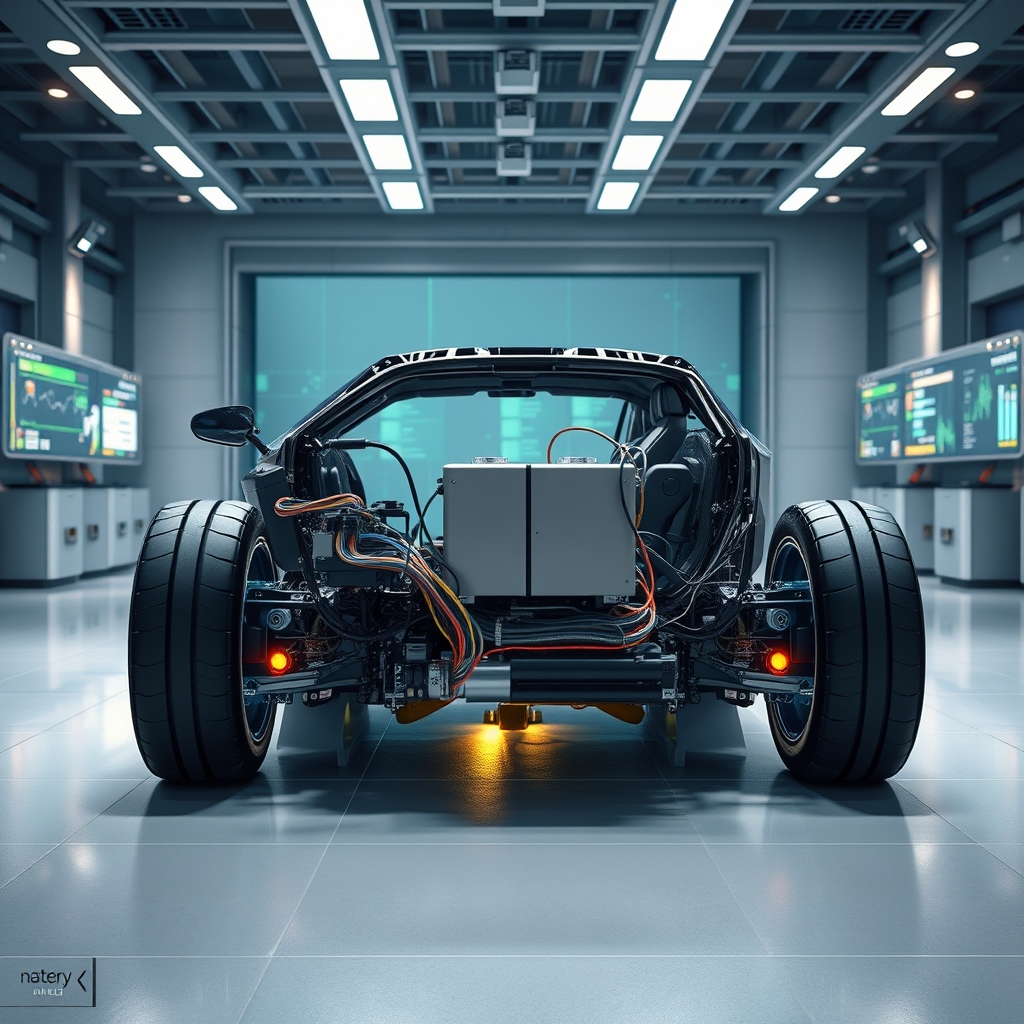
The automotive industry is undergoing a seismic shift, driven by the rapid evolution of electric vehicle (EV) technology. Gone are the days when EVs were merely an eco-friendly alternative to internal combustion engines. Today, they represent the cutting edge of automotive innovation, integrating advanced systems that redefine performance, efficiency, and user experience. At the heart of this transformation lies a complex interplay of components and architectures, each playing a pivotal role in shaping the future of mobility.
The Backbone: Electric Vehicle Architecture
Modern electric vehicles are built on architectures designed from the ground up to optimize space, weight, and energy efficiency. Unlike traditional vehicles, which often retrofit EV components into existing platforms, next-gen EVs leverage purpose-built architectures. These designs prioritize the placement of high-voltage batteries, electric drive modules, and power electronics to maximize range and performance. For instance, the “skateboard” chassis—a flat, low-slung platform housing the battery pack—has become a hallmark of EV design, offering a low center of gravity and ample interior space.
This architectural approach also enables modularity, allowing manufacturers to scale designs across different vehicle segments. Whether it’s a compact city car or a long-range SUV, the underlying architecture remains consistent, reducing development costs and accelerating innovation. The result is a more agile and adaptable industry, capable of meeting diverse consumer demands without compromising on efficiency or safety.
Powering the Revolution: Solid State Batteries and Beyond
At the core of every electric vehicle is its battery, and the quest for the perfect energy storage solution is relentless. While lithium-ion batteries have dominated the market, solid-state batteries are emerging as the next frontier. These batteries replace the liquid or gel electrolyte found in conventional lithium-ion cells with a solid material, offering significant advantages. Solid-state batteries promise higher energy density, faster charging times, and improved safety by eliminating the risk of leakage or thermal runaway.
Beyond solid-state technology, researchers are exploring alternative chemistries, such as lithium-sulfur and sodium-ion, to further enhance performance and sustainability. These innovations are critical as the industry seeks to overcome the limitations of current battery technology, particularly in terms of range anxiety and charging infrastructure. As battery technology advances, it will unlock new possibilities for EVs, making them more accessible and practical for everyday use.
The Role of Battery Management Systems
A high-performance battery is only as good as the system that manages it. Enter the Battery Management System (BMS), a sophisticated electronic control unit that monitors and regulates the battery’s health, temperature, and charging cycles. The BMS ensures optimal performance by balancing individual cell voltages, preventing overcharging or deep discharging, and mitigating thermal risks. Without a robust BMS, even the most advanced battery would be prone to degradation and failure.
Modern BMS solutions are increasingly integrated with vehicle-wide systems, enabling real-time data exchange with the Electronic Control Unit (ECU) and other critical components. This connectivity allows for predictive maintenance, adaptive charging strategies, and even vehicle-to-grid (V2G) interactions, where EVs can feed energy back into the power grid during peak demand. The BMS is not just a guardian of the battery; it’s a gateway to smarter, more sustainable energy management.
Efficiency in Motion: Regenerative Braking and Thermal Management
One of the most ingenious features of electric vehicles is regenerative braking, a system that recovers kinetic energy during deceleration and converts it into electrical energy to recharge the battery. This technology not only extends the vehicle’s range but also reduces wear on traditional braking components. Regenerative braking is particularly effective in urban driving, where frequent stops and starts maximize energy recovery.
However, efficiency isn’t just about energy recovery—it’s also about managing heat. Thermal management systems (TMS) play a crucial role in maintaining optimal operating temperatures for the battery, electric drive module, and power electronics. Overheating can degrade performance and shorten the lifespan of critical components, making TMS a vital part of EV design. Advanced TMS solutions use liquid cooling, phase-change materials, and even heat pumps to regulate temperatures, ensuring consistent performance in all conditions.
Connectivity and Smart Infrastructure
The future of electric vehicles is not just about the cars themselves but also the ecosystems that support them. Smart charging infrastructure is rapidly evolving to meet the demands of a growing EV market. From fast-charging stations to wireless vehicle charging, these innovations are making it easier than ever to keep EVs powered and ready to go. Wireless charging, in particular, offers a glimpse into a future where EVs can recharge simply by parking over a designated pad, eliminating the need for cables and connectors.
Vehicle-to-grid (V2G) technology takes this concept further by enabling bidirectional energy flow between EVs and the power grid. During periods of high demand, EVs can supply stored energy back to the grid, acting as mobile energy storage units. This not only helps stabilize the grid but also provides EV owners with potential revenue streams. As smart grids become more prevalent, V2G technology will play an increasingly important role in creating a sustainable energy ecosystem.
The Road Ahead: Autonomous Driving and Advanced Systems
Electric vehicles are not just about propulsion—they’re also at the forefront of autonomous driving technology. Advanced Driver Assistance Systems (ADAS) rely on a network of sensors, cameras, and radar to enhance safety and convenience. These systems enable features like adaptive cruise control, lane-keeping assist, and automated parking, paving the way for fully autonomous vehicles.
The integration of ADAS with EV architecture presents unique challenges and opportunities. For instance, the high-voltage cabling and wiring harnesses in EVs must be designed to accommodate the additional electrical demands of autonomous systems. Similarly, the Controller Area Network (CAN) bus—a communication protocol that connects various electronic control units—must handle increased data traffic without compromising performance.
As autonomous driving technology matures, it will redefine the relationship between humans and vehicles. EVs equipped with self-driving capabilities could transform mobility, offering on-demand transportation services, reducing traffic congestion, and improving road safety. The synergy between electric propulsion and autonomous systems is set to revolutionize the way we move, work, and live.
The journey toward a fully electric and autonomous future is well underway, and the innovations shaping next-gen automotive architecture are nothing short of revolutionary. From solid-state batteries to smart charging infrastructure, each advancement brings us closer to a world where transportation is cleaner, smarter, and more efficient. The road ahead is paved with challenges, but the potential rewards—reduced emissions, enhanced safety, and unparalleled convenience—make it a journey worth pursuing. As these technologies continue to evolve, they will not only redefine the automotive industry but also the very fabric of our daily lives, driving us toward a more sustainable and connected future.