The Future of Transportation: Exploring the Potential of Gaseous Alternative Fuels
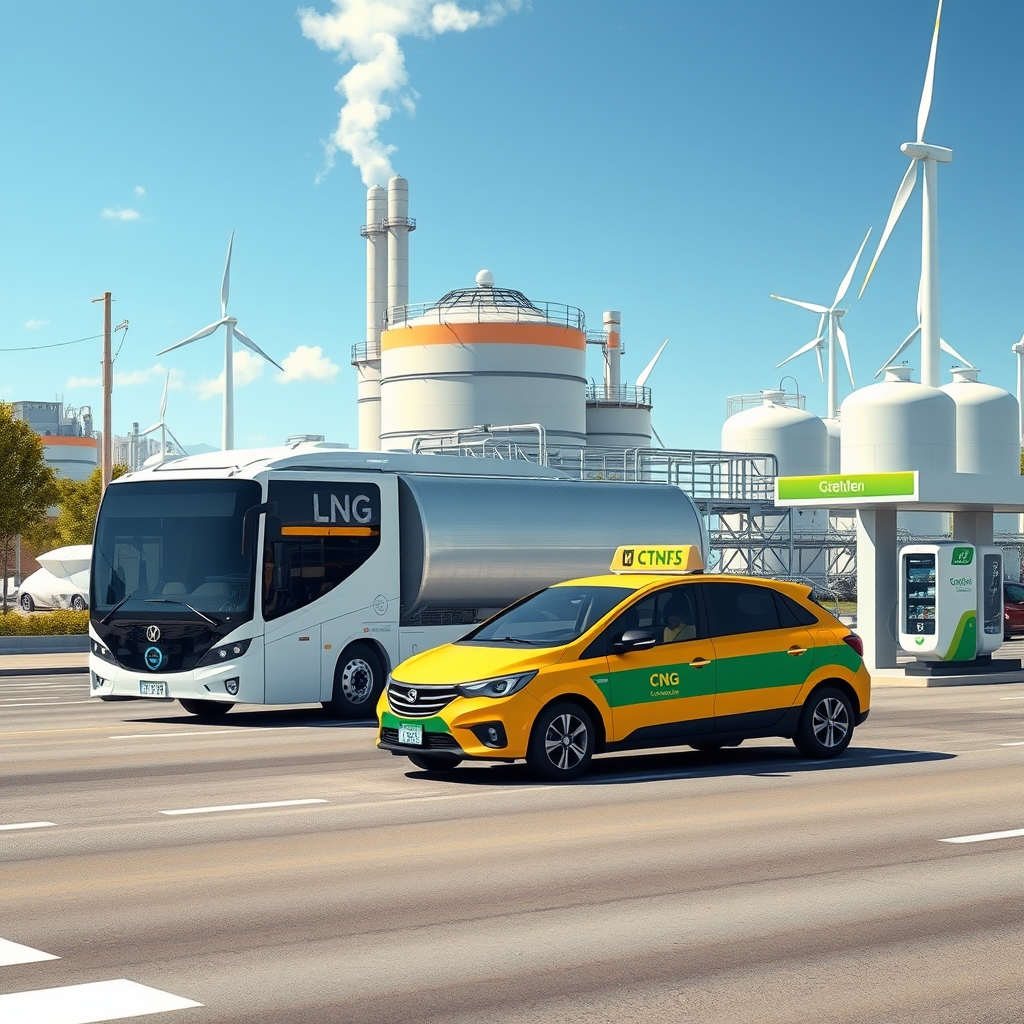
The global transportation sector stands at a crossroads, grappling with the dual challenges of reducing greenhouse gas emissions and ensuring energy security. As traditional fossil fuels continue to dominate, the urgency to transition toward cleaner, more sustainable alternatives has never been greater. Among the most promising solutions are gaseous alternative fuels, which offer a compelling blend of environmental benefits, economic viability, and technological adaptability. From compressed natural gas (CNG) to hydrogen fuel cells, these fuels are reshaping the way we think about mobility and energy.
The Rise of Compressed Natural Gas (CNG) and Liquefied Petroleum Gas (LPG)
Compressed Natural Gas (CNG) and Liquefied Petroleum Gas (LPG) have emerged as frontrunners in the alternative fuel revolution. CNG, primarily composed of methane, is stored under high pressure and offers a cleaner-burning alternative to gasoline and diesel. Its lower carbon content results in significantly reduced CO2 emissions, making it an attractive option for urban transportation, where air quality is a pressing concern. Similarly, LPG, a byproduct of natural gas processing and crude oil refining, is widely used in vehicles equipped with LPG autogas systems. Its high energy density and relatively low cost have made it a popular choice in regions with established LPG infrastructure.
One of the key advantages of CNG and LPG is their compatibility with existing internal combustion engines. Many vehicles can be retrofitted with a CNG conversion kit or an LPG autogas system, allowing drivers to switch between traditional fuels and gaseous alternatives with minimal modifications. This flexibility has accelerated the adoption of these fuels, particularly in fleets of taxis, buses, and delivery vehicles, where operational costs and emissions reductions are critical considerations.
Liquefied Natural Gas (LNG): Powering Long-Haul Transport
While CNG and LPG are well-suited for light-duty and medium-duty vehicles, Liquefied Natural Gas (LNG) is gaining traction as a viable fuel for heavy-duty and long-haul transportation. LNG is natural gas cooled to cryogenic temperatures, reducing its volume by approximately 600 times and making it easier to store and transport. This high energy density makes LNG an ideal choice for trucks, ships, and even some trains, where range and payload capacity are paramount.
The adoption of LNG in the transportation sector is supported by advancements in cryogenic fuel storage technology, which ensures safe and efficient handling of the fuel. Additionally, the development of liquefied gas vaporizers has improved the performance of LNG-powered engines, enabling them to deliver power outputs comparable to diesel engines while producing fewer emissions. As the infrastructure for LNG refueling continues to expand, its role in decarbonizing heavy transport is expected to grow significantly.
Hydrogen: The Fuel of the Future?
No discussion of alternative fuels would be complete without mentioning hydrogen, a versatile and zero-emission energy carrier that holds immense promise for the future of transportation. Hydrogen can be used in two primary ways: in hydrogen fuel cell vehicles (FCVs), which generate electricity through a chemical reaction between hydrogen and oxygen, and in hydrogen internal combustion engines (HICEs), which burn hydrogen directly to produce power. Both approaches offer the advantage of emitting only water vapor as a byproduct, making them among the cleanest fuel options available.
The potential of hydrogen is further amplified by the concept of green hydrogen, which is produced using renewable energy sources such as wind or solar power. Unlike conventional hydrogen, which is often derived from natural gas, green hydrogen has a minimal carbon footprint, aligning with global efforts to achieve net-zero emissions. However, the widespread adoption of hydrogen faces challenges, including the need for extensive green hydrogen infrastructure, high production costs, and the development of efficient storage and distribution systems.
Dual Fuel Engines and Direct Injection Gas Systems
For those seeking a transitional solution, dual fuel engines offer a practical compromise between traditional and alternative fuels. These engines are designed to run on a combination of diesel or gasoline and a gaseous fuel such as CNG, LPG, or hydrogen. By leveraging the strengths of both fuel types, dual fuel engines can reduce emissions and fuel costs without sacrificing performance. This technology is particularly valuable in regions where alternative fuel infrastructure is still developing, as it allows for a gradual shift away from fossil fuels.
Another innovation in gaseous fuel technology is the direct injection gas engine, which introduces fuel directly into the combustion chamber at high pressure. This approach improves engine efficiency, reduces fuel consumption, and minimizes emissions compared to traditional port injection systems. Direct injection is particularly effective in gas fuel injection systems, where precise control over fuel delivery is essential for optimizing performance and emissions.
Biomethane and Renewable Natural Gas: Closing the Carbon Loop
While natural gas is a fossil fuel, its renewable counterpart, biomethane, offers a sustainable alternative that can be produced from organic waste, agricultural residues, and even sewage. Biomethane is chemically identical to natural gas but is considered carbon-neutral because the CO2 released during combustion is offset by the CO2 absorbed during the growth of the organic matter used to produce it. This makes biomethane an attractive option for reducing the carbon footprint of transportation without requiring significant changes to existing infrastructure.
Similarly, renewable natural gas (RNG) is derived from the decomposition of organic materials in landfills, wastewater treatment plants, and anaerobic digesters. RNG can be injected into natural gas pipelines and used in CNG or LNG vehicles, providing a seamless transition to a more sustainable fuel source. The use of RNG and biomethane not only reduces greenhouse gas emissions but also supports the circular economy by turning waste into a valuable resource.
The Role of Synthetic Natural Gas and High-Pressure Storage
In addition to biomethane and RNG, synthetic natural gas (SNG) is emerging as another promising alternative. SNG is produced through the methanation of hydrogen and CO2, creating a fuel that can be used in existing natural gas infrastructure. This process not only provides a use for captured CO2 but also enables the storage of excess renewable energy in the form of a stable, transportable fuel. As the technology matures, SNG could play a critical role in balancing energy supply and demand while reducing reliance on fossil fuels.
The storage of gaseous fuels presents its own set of challenges, particularly when it comes to ensuring safety and efficiency. High-pressure gas tanks are essential for storing CNG, hydrogen, and other gaseous fuels at the pressures required for vehicle operation. Advances in materials science have led to the development of lightweight, durable tanks capable of withstanding extreme pressures while minimizing the risk of leaks or ruptures. These innovations are crucial for the widespread adoption of gaseous fuels, as they address concerns about safety and range anxiety.
The shift toward gaseous alternative fuels represents a pivotal moment in the evolution of transportation. From the immediate benefits of CNG and LPG to the long-term potential of hydrogen and biomethane, these fuels offer a pathway to a cleaner, more sustainable future. While challenges remain—particularly in the areas of infrastructure, cost, and public acceptance—the progress made thus far is undeniable. As technology continues to advance and global commitments to decarbonization strengthen, gaseous fuels are poised to play an increasingly central role in powering the vehicles of tomorrow. The journey toward a greener transportation sector is well underway, and the road ahead is paved with innovation, collaboration, and the shared goal of a healthier planet for generations to come.