The Future of Transportation: Exploring the Potential of Nuclear-Powered Vehicles
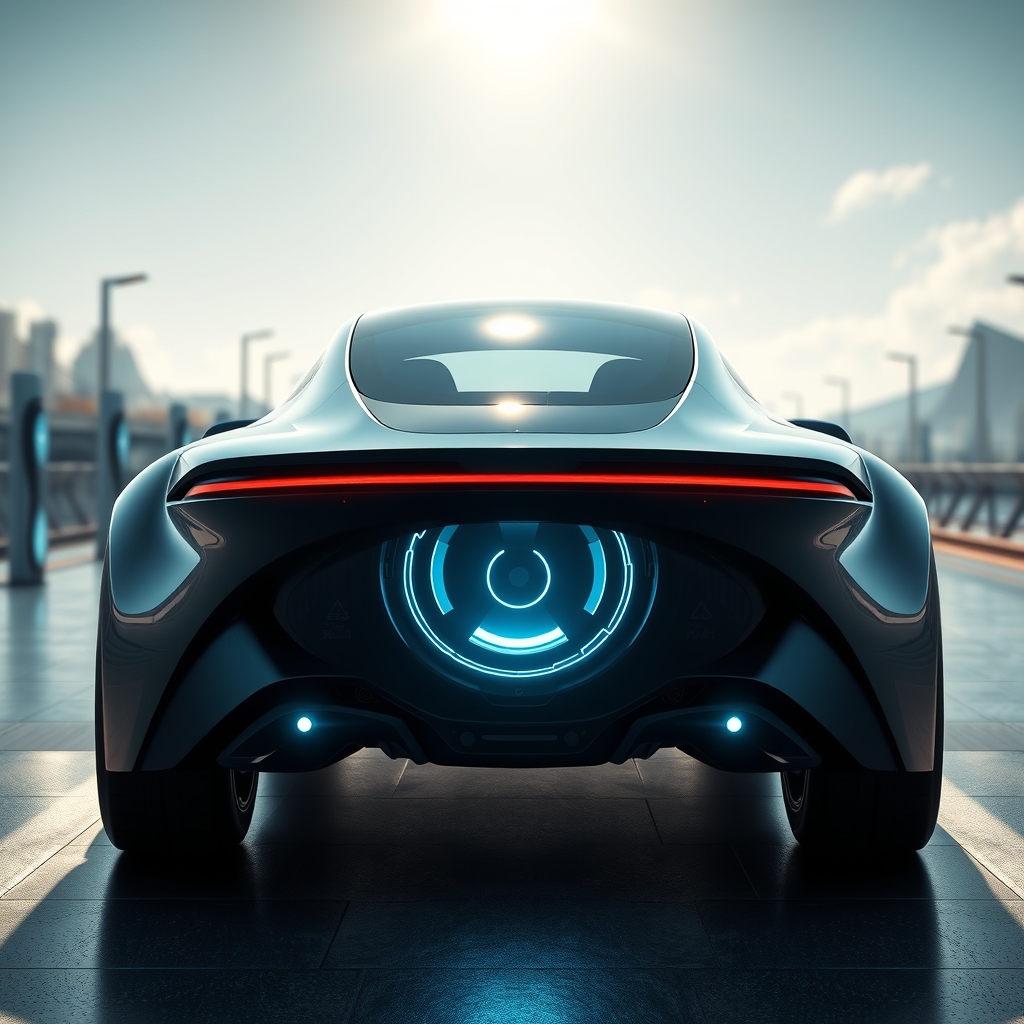
For decades, the idea of nuclear-powered vehicles has captivated engineers, futurists, and science fiction enthusiasts alike. While conventional automobiles rely on fossil fuels or electricity, the concept of harnessing atomic energy to propel cars, trucks, and even aircraft presents a tantalizing vision of nearly limitless range and unparalleled efficiency. Though still largely experimental, advancements in nuclear technology are bringing this once-fanciful idea closer to reality.
The Science Behind Nuclear Automotive Propulsion
At the heart of nuclear-powered vehicles lies the principle of nuclear fission—the process of splitting atoms to release vast amounts of energy. Unlike traditional internal combustion engines, which burn fuel to generate power, nuclear propulsion systems leverage controlled atomic reactions to produce heat, which can then be converted into mechanical or electrical energy. One of the most promising technologies in this space is the Radioisotope Thermoelectric Generator (RTG), which has already been used in space exploration missions, such as NASA’s Mars rovers. RTGs convert heat from radioactive decay into electricity, offering a compact and long-lasting power source.
Another approach involves Small Modular Reactors (SMRs), which are scaled-down versions of traditional nuclear reactors. These systems could theoretically be integrated into larger vehicles, such as ships or even semi-trucks, providing a continuous and highly efficient energy supply. The challenge, however, lies in making these reactors safe, lightweight, and adaptable to the constraints of automotive design.
The Ford Nucleon: A Glimpse into Atomic Ambitions
One of the most iconic examples of nuclear-powered vehicle concepts is the Ford Nucleon, a 1958 design study that envisioned a car powered by a small nuclear reactor. The Nucleon was never built, but its futuristic design and ambitious engineering captured the imagination of the public. The concept proposed a uranium-fueled reactor located in the rear of the vehicle, which would generate steam to drive turbines and produce electricity. While the Nucleon remained a theoretical exercise, it demonstrated the automotive industry’s early interest in atomic energy as a potential game-changer.
Despite its promise, the Ford Nucleon also highlighted the significant hurdles facing nuclear-powered vehicles. Safety concerns, regulatory challenges, and the need for advanced shielding to protect passengers from radiation were just a few of the obstacles that made the concept impractical at the time. However, modern advancements in materials science and reactor design are gradually addressing these issues, reigniting interest in the field.
Modern Innovations and Challenges
Today, researchers and startups are exploring a variety of nuclear propulsion technologies tailored for automotive applications. One such innovation is the Micro Nuclear Reactor, a compact and highly efficient system that could be integrated into electric vehicles to extend their range dramatically. Unlike traditional batteries, which require frequent recharging, a micro reactor could provide power for decades without the need for refueling, making it an ideal solution for long-haul transportation.
Another area of development is Nuclear Battery Technology, which involves using radioactive isotopes to generate electricity directly. These batteries, often referred to as betavoltaics, could offer a lightweight and long-lasting power source for electric vehicles. While still in the experimental stage, nuclear batteries have the potential to revolutionize the automotive industry by eliminating the need for large, heavy battery packs and reducing reliance on charging infrastructure.
Safety and Regulatory Considerations
Despite the exciting possibilities, the widespread adoption of nuclear-powered vehicles faces significant challenges. Safety is a paramount concern, as any malfunction or accident involving a nuclear reactor could have catastrophic consequences. To mitigate these risks, engineers are developing advanced shielding materials, such as depleted uranium, to protect passengers and the environment from radiation. Additionally, closed-loop nuclear propulsion systems are being designed to contain radioactive materials safely, even in the event of a collision.
Regulatory hurdles also pose a significant barrier to the development of nuclear-powered vehicles. Governments and international bodies have stringent regulations governing the use of nuclear materials, and obtaining approval for automotive applications would require extensive testing and certification. Public perception is another critical factor, as many people remain wary of nuclear technology due to its association with weapons and past disasters. Overcoming these challenges will require not only technological breakthroughs but also effective communication and education to build trust in nuclear-powered transportation.
The Road Ahead: A Nuclear-Powered Future?
As the world seeks sustainable and efficient alternatives to fossil fuels, nuclear-powered vehicles are emerging as a compelling, if unconventional, solution. The potential benefits—such as near-zero emissions, unprecedented range, and reduced dependence on charging infrastructure—make atomic propulsion an attractive option for the future of transportation. However, the path forward is fraught with technical, regulatory, and societal challenges that must be addressed before nuclear-powered cars become a common sight on our roads.
While it may still be years or even decades before we see a production-ready nuclear-powered vehicle, the progress being made in this field is undeniably exciting. From the pioneering vision of the Ford Nucleon to the cutting-edge research into micro reactors and nuclear batteries, the dream of atomic-powered transportation is inching closer to reality. As technology continues to evolve, the question is no longer whether nuclear-powered vehicles are possible, but when—and how—they will transform the way we travel.
The journey toward a nuclear-powered future is a testament to human ingenuity and our relentless pursuit of innovation. Whether it’s through the development of compact reactors, advanced shielding, or revolutionary battery technologies, the automotive industry is on the cusp of a paradigm shift that could redefine mobility for generations to come. The road ahead is long and uncertain, but the destination—a world where vehicles are powered by the very building blocks of the universe—is a vision worth pursuing.