Beyond the Battery: The Unsung Heroes of Electric Vehicle Performance and Efficiency
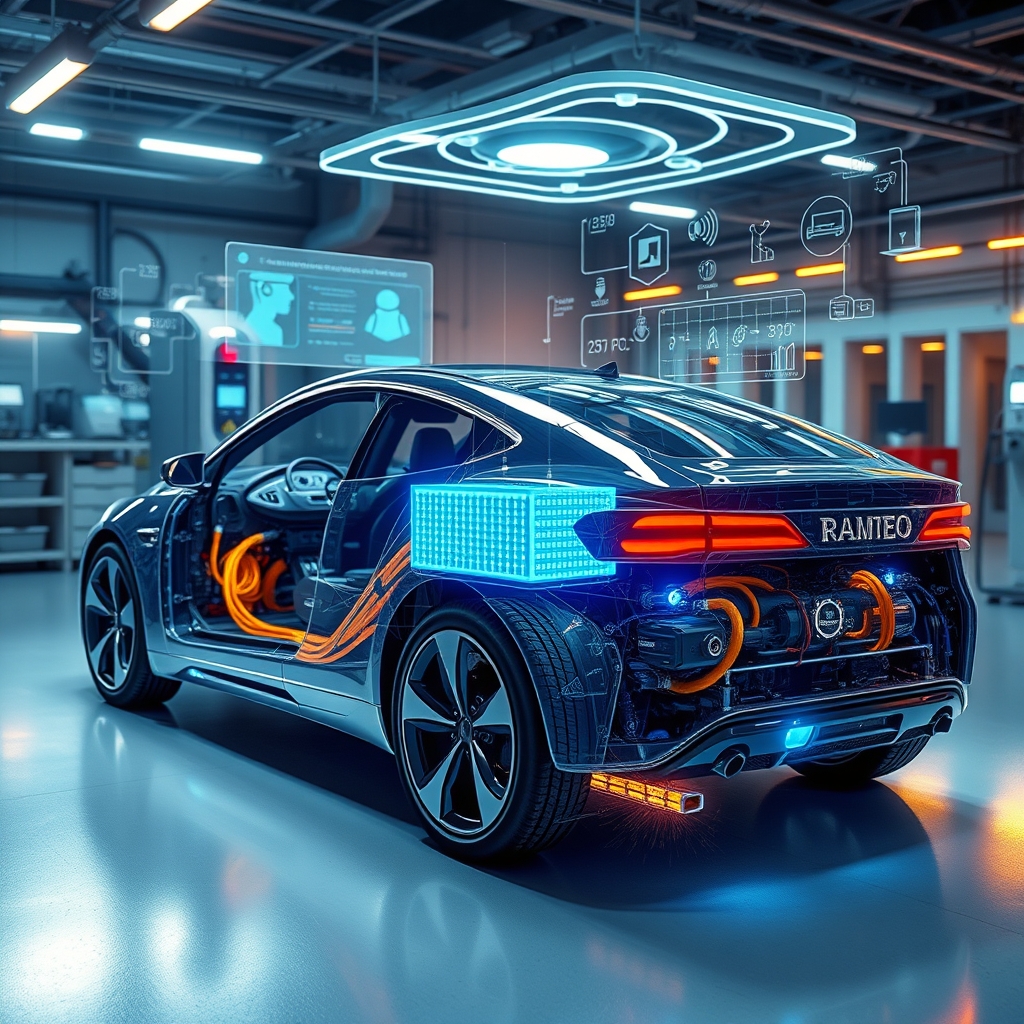
The electric vehicle (EV) revolution is often synonymous with advancements in battery technology, particularly the shift from lithium-ion to solid-state batteries. While these innovations promise longer ranges and faster charging times, they are only one piece of a much larger puzzle. The true magic of EVs lies in the intricate web of systems and components that work seamlessly behind the scenes to deliver performance, efficiency, and safety. These unsung heroes—ranging from thermal management systems to advanced sensor networks—are the backbone of next-generation automotive architecture.
The Heartbeat: Battery Management Systems
A solid-state battery may store the energy, but it is the Battery Management System (BMS) that ensures it operates at peak efficiency. The BMS is a sophisticated electronic control unit that monitors and regulates the battery’s state of charge, temperature, and health. It balances individual cell voltages to prevent overcharging or deep discharging, which can degrade the battery over time. Without a robust BMS, even the most advanced battery would be rendered ineffective, as it would lack the intelligence to optimize performance or extend its lifespan. Modern BMS solutions are increasingly integrating artificial intelligence to predict battery behavior, further enhancing reliability and safety.
The Nervous System: Automotive Sensor Networks and CAN Bus
Electric vehicles are essentially computers on wheels, and like any advanced computing system, they rely on a network of sensors to gather real-time data. Automotive sensor networks monitor everything from tire pressure and ambient temperature to driver inputs and road conditions. This data is transmitted via the Controller Area Network (CAN) bus, a communication protocol that connects all electronic control units (ECUs) in the vehicle. The CAN bus ensures that critical systems, such as the regenerative braking system or advanced driver assistance systems (ADAS), receive the information they need to function harmoniously. Without this nervous system, an EV would be a collection of isolated components rather than a cohesive, intelligent machine.
Regenerative Braking: Turning Motion into Energy
One of the most elegant examples of system integration in EVs is the regenerative braking system. Unlike traditional braking systems that dissipate kinetic energy as heat, regenerative braking captures this energy and feeds it back into the battery. This not only improves efficiency but also extends the vehicle’s range. The system relies on a complex interplay between the electric drive module, power inverter module, and BMS to ensure that the recovered energy is stored safely and efficiently. In urban driving conditions, regenerative braking can recover up to 30% of the energy that would otherwise be lost, making it a game-changer for EV efficiency.
The Lifeline: High-Voltage Cabling and Wiring Harnesses
While often overlooked, the automotive wiring harness and high-voltage cabling are critical to an EV’s operation. These components form the circulatory system of the vehicle, distributing power from the battery to the electric drive module, on-board charger, and other high-voltage systems. High-voltage cabling must be designed to handle extreme currents while minimizing energy loss, which requires advanced materials and precise engineering. Similarly, the wiring harness connects hundreds of sensors, ECUs, and actuators, ensuring that data and power flow seamlessly throughout the vehicle. A failure in this system can lead to catastrophic consequences, making reliability and durability paramount.
Thermal Management: Keeping the System Cool
Heat is the enemy of efficiency in electric vehicles. Excessive temperatures can degrade battery performance, reduce range, and even pose safety risks. This is where the thermal management system comes into play. Modern EVs employ liquid cooling systems to maintain optimal temperatures for the battery, power electronics, and electric motors. Some advanced systems even use phase-change materials or heat pumps to manage thermal loads more efficiently. By keeping components within their ideal temperature ranges, thermal management systems not only enhance performance but also prolong the lifespan of critical hardware.
The Future of Connectivity: Vehicle-to-Grid and Smart Charging
As EVs become more integrated into the energy ecosystem, technologies like Vehicle-to-Grid (V2G) and smart charging infrastructure are emerging as key enablers of a sustainable future. V2G technology allows EVs to not only draw power from the grid but also feed excess energy back into it. This bidirectional flow can help stabilize the grid during peak demand periods, turning EVs into mobile energy storage units. Smart charging infrastructure, on the other hand, uses advanced algorithms to optimize charging times based on grid demand, energy prices, and user preferences. Together, these technologies are transforming EVs from mere transportation devices into active participants in the energy transition.
Autonomous Driving Hardware: The Brain Behind the Wheel
The push toward autonomous driving is driving innovation in EV architecture, particularly in the realm of hardware. Advanced Driver Assistance Systems (ADAS) rely on a suite of sensors, including LiDAR, radar, and cameras, to perceive the vehicle’s surroundings. These sensors feed data into high-performance ECUs, which process the information in real-time to make driving decisions. The integration of autonomous driving hardware into EVs is not just about adding more sensors; it requires a fundamental rethinking of vehicle architecture to accommodate the increased computational power and data bandwidth. This includes everything from redundant power supplies to fail-safe communication networks, ensuring that the vehicle can operate safely even in the event of a system failure.
The electric vehicle is a marvel of modern engineering, a symphony of systems and components working in perfect harmony. While the battery may capture the headlines, it is the supporting cast—the BMS, sensor networks, thermal management systems, and more—that truly enables the EV revolution. As these technologies continue to evolve, they will not only enhance the performance and efficiency of electric vehicles but also redefine our relationship with transportation. The road ahead is not just about getting from point A to point B; it’s about creating a smarter, more sustainable future, one innovation at a time.