The Atomic Engine Reimagined: How Micro Nuclear Reactors Could Power the Next Generation of Vehicles
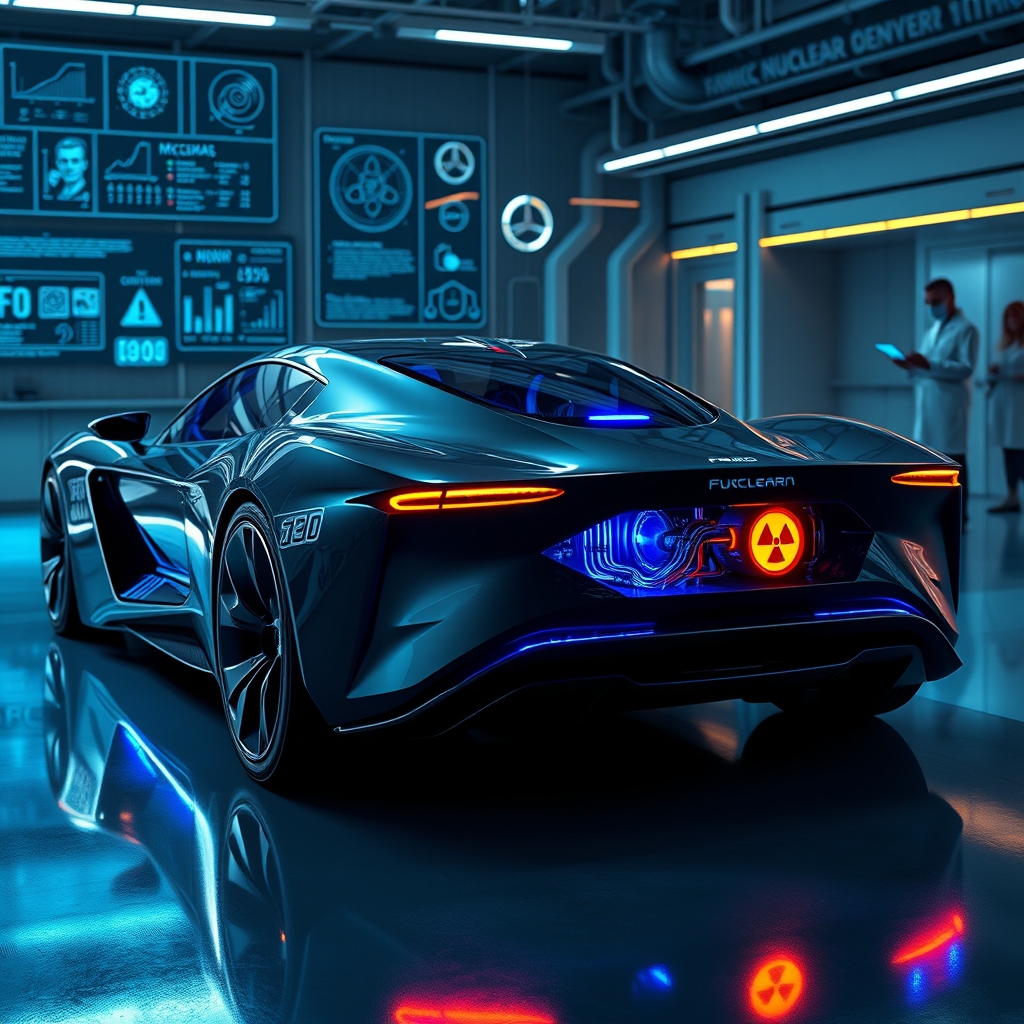
The idea of a car powered by nuclear energy might sound like science fiction, but the concept has been explored for decades. From the bold visions of the 1950s to the cutting-edge research of today, the dream of a nuclear-powered vehicle has never truly faded. While challenges like safety, regulation, and public perception have kept atomic automobiles off the roads, recent advancements in micro nuclear reactor technology and radioisotope power systems are breathing new life into the possibility. Could we finally be on the brink of a transportation revolution where cars run on the same energy that powers stars?
The Legacy of the Ford Nucleon: A Glimpse into Atomic Ambitions
In 1958, Ford unveiled the Ford Nucleon Concept, a futuristic prototype that envisioned a car powered by a small uranium fission engine. The design featured a compact reactor in the rear, where nuclear reactions would generate heat, convert it into steam, and drive turbines to propel the vehicle. The Nucleon was never built, but it symbolized the optimism of an era that believed atomic energy could solve the world’s energy problems. While the concept was ahead of its time, it laid the groundwork for future explorations into nuclear automotive propulsion.
Today, the Nucleon’s legacy lives on in modern research. Scientists and engineers are revisiting the idea of small modular reactor propulsion, but with a focus on safety, efficiency, and scalability. Unlike the bulky reactors of the past, today’s miniature nuclear reactors are designed to be compact, self-regulating, and capable of operating for years without refueling. These advancements could make nuclear-powered vehicles a reality in ways that were unimaginable in the 1950s.
How Radioisotope Thermoelectric Generators Could Revolutionize Long-Distance Travel
One of the most promising technologies for nuclear-powered vehicles is the radioisotope thermoelectric generator (RTG). RTGs have been used for decades in space exploration, powering missions like the Voyager probes and the Mars rovers. These devices convert heat from the decay of radioactive isotopes—such as plutonium-238—into electricity through thermoelectric materials. While RTGs don’t produce the same level of power as a full-scale reactor, they offer a reliable, long-lasting energy source that could be ideal for long-range nuclear cars.
Imagine a vehicle equipped with an RTG that could travel for decades without needing a recharge. The nuclear battery technology behind RTGs is already proven in extreme environments, making it a strong candidate for automotive applications. Companies like NASA and private aerospace firms are exploring ways to adapt RTGs for terrestrial use, potentially paving the way for self-powered nuclear cars that could redefine long-distance travel.
The Role of Depleted Uranium Shielding in Safety
One of the biggest concerns surrounding nuclear-powered vehicles is safety. The idea of a car containing radioactive materials understandably raises questions about radiation exposure, accidents, and waste disposal. However, modern engineering solutions, such as depleted uranium shielding, could mitigate these risks. Depleted uranium is a dense, non-fissile material that effectively blocks radiation, making it an ideal choice for protecting passengers and the environment.
In addition to shielding, advancements in closed-loop nuclear propulsion systems could further enhance safety. These systems are designed to contain radioactive materials within a sealed loop, preventing leaks and minimizing exposure risks. With the right safeguards, a fission-powered automobile could be just as safe—if not safer—than conventional vehicles powered by gasoline or lithium-ion batteries.
The Future of Nuclear Electric Drive: A Cleaner, More Efficient Alternative
Electric vehicles (EVs) have gained popularity as a cleaner alternative to internal combustion engines, but they still rely on the electrical grid, which is often powered by fossil fuels. Nuclear electric drive systems could offer a zero-emission solution by generating electricity on board through nuclear reactions. Unlike traditional EVs, which require frequent charging, a nuclear-powered vehicle could operate for years without needing to plug in, making it ideal for long-haul trucking, remote travel, and even space exploration.
Companies like TerraPower, founded by Bill Gates, are already developing advanced atomic vehicles for industrial and military applications. While these projects are still in the experimental phase, they demonstrate the growing interest in nuclear propulsion as a sustainable energy solution. If successful, these innovations could trickle down to consumer vehicles, offering drivers a truly self-sustaining mode of transportation.
Overcoming Public Perception and Regulatory Hurdles
Despite the technological advancements, the biggest obstacle to nuclear-powered vehicles may not be engineering—it’s public perception. The word “nuclear” carries a stigma, often associated with disasters like Chernobyl and Fukushima. However, modern nuclear technology is far safer and more controlled than the reactors of the past. Educating the public about the benefits and safeguards of atomic energy vehicles will be crucial in gaining acceptance.
Regulatory challenges also pose a significant hurdle. Governments will need to establish new safety standards and licensing processes for nuclear-powered transportation. International cooperation will be essential to ensure that these vehicles meet global safety and environmental regulations. While the road ahead is complex, the potential rewards—zero emissions, unparalleled range, and energy independence—make it a journey worth pursuing.
As we stand on the precipice of a new era in transportation, the dream of a nuclear-powered vehicle is closer than ever. The fusion of cutting-edge nuclear technology with automotive innovation could unlock a future where cars are no longer bound by the limitations of fossil fuels or battery life. Whether through radioisotope power systems, micro nuclear reactors, or advanced atomic engines, the road ahead is paved with possibilities. The question is no longer if nuclear-powered vehicles can exist, but when they will become a reality—and what that reality will look like for drivers around the world.