From Pipelines to Power: The Science and Sustainability of Next-Gen Gaseous Fuels in Transport
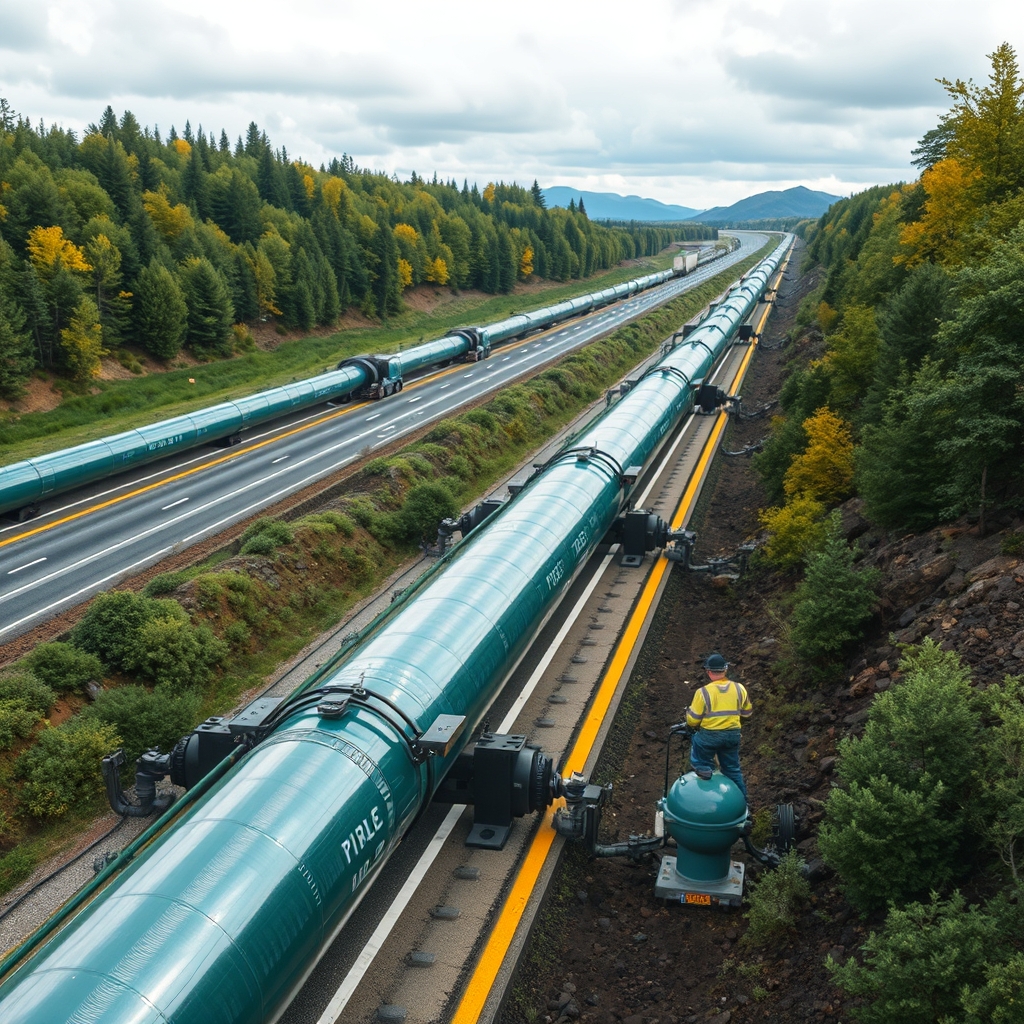
The transportation sector stands at a crossroads, where the urgency of reducing carbon emissions meets the innovation of gaseous fuel technologies. While electric vehicles dominate headlines, a quieter revolution is unfolding—one powered by compressed natural gas (CNG), liquefied petroleum gas (LPG), hydrogen, and biomethane. These fuels are not just alternatives; they are transformative solutions reshaping how we think about energy, efficiency, and environmental stewardship in mobility.
The Chemistry of Change: How Gaseous Fuels Work
Gaseous fuels operate on principles distinct from liquid hydrocarbons, offering unique advantages in combustion efficiency and emissions reduction. CNG, for instance, is primarily methane stored at high pressure, typically between 200 to 250 bar, which allows it to occupy a fraction of the space of its gaseous form. When combusted, methane releases significantly fewer pollutants like nitrogen oxides (NOx) and particulate matter compared to diesel or gasoline. Similarly, LPG—a mixture of propane and butane—burns cleaner due to its simpler molecular structure, producing lower carbon dioxide (CO2) emissions per unit of energy.
Hydrogen, often hailed as the ultimate clean fuel, takes this a step further. When used in fuel cells, it reacts with oxygen to produce electricity, with water vapor as the only byproduct. Even in internal combustion engines, hydrogen combustion emits negligible CO2, though challenges like NOx formation and storage persist. Meanwhile, biomethane—derived from organic waste—closes the carbon loop by recycling CO2 already present in the atmosphere, making it a carbon-neutral option when produced sustainably.
The Infrastructure Challenge: Storing and Delivering Gaseous Fuels
One of the most significant hurdles for gaseous fuels is infrastructure. Unlike liquid fuels, which can be easily transported and stored in conventional tanks, gases require specialized systems. CNG, for example, relies on high-pressure gas tanks made from advanced composites or steel to withstand extreme pressures. These tanks are not only heavier but also more expensive, posing a barrier to widespread adoption in passenger vehicles. However, advancements in carbon fiber and lightweight alloys are gradually mitigating these challenges, making CNG a more viable option for long-haul trucks and buses.
Liquefied natural gas (LNG) offers a different solution. By cooling natural gas to -162°C, it condenses into a liquid, reducing its volume by a factor of 600. This makes LNG ideal for long-distance transport, particularly in shipping and heavy-duty trucking, where its energy density rivals that of diesel. However, LNG requires cryogenic storage tanks and vaporizers to convert it back into gas before use, adding complexity to the supply chain.
Hydrogen presents the most demanding infrastructure requirements. Storing hydrogen at high pressures (350 to 700 bar) or in liquid form at -253°C is energy-intensive and costly. Emerging technologies like metal hydrides and chemical hydrogen storage offer promising alternatives, but they are still in the experimental stages. The development of a green hydrogen infrastructure—powered by renewable energy—is critical to ensuring that hydrogen fulfills its potential as a zero-emission fuel.
Engineering the Future: Dual Fuel and Direct Injection Systems
The versatility of gaseous fuels is further enhanced by dual fuel engines, which can run on a combination of diesel and gas. These engines leverage the high compression ratio of diesel engines while using gaseous fuels to reduce emissions and improve efficiency. For example, a dual fuel engine might use diesel to ignite a mixture of air and CNG or biomethane, achieving up to 30% lower CO2 emissions compared to diesel-only operation. This technology is particularly valuable in regions where gaseous fuel infrastructure is still developing, as it allows for a gradual transition away from fossil fuels.
Direct injection gas engines represent another leap forward. Unlike traditional port-injected engines, which mix fuel and air before combustion, direct injection systems deliver fuel directly into the combustion chamber. This improves efficiency, reduces fuel consumption, and minimizes emissions. For gaseous fuels like LPG and CNG, direct injection can enhance power output while maintaining the environmental benefits. Companies like Westport Fuel Systems and Bosch are pioneering these technologies, making gaseous fuels more competitive with conventional liquid fuels.
The Environmental Equation: Emissions and Sustainability
While gaseous fuels are cleaner than their liquid counterparts, their environmental impact varies depending on the source and production method. CNG and LPG, derived from fossil fuels, still emit CO2, albeit at lower levels than gasoline or diesel. However, when sourced from renewable feedstocks—such as biomethane from agricultural waste or synthetic natural gas (SNG) produced using renewable electricity—their carbon footprint shrinks dramatically. Biomethane, in particular, can achieve negative emissions when combined with carbon capture and storage (CCS), effectively removing CO2 from the atmosphere.
Hydrogen’s environmental credentials depend on its production pathway.