The Invisible Engineers: How Fuel Additives Work Behind the Scenes to Supercharge Your Engine
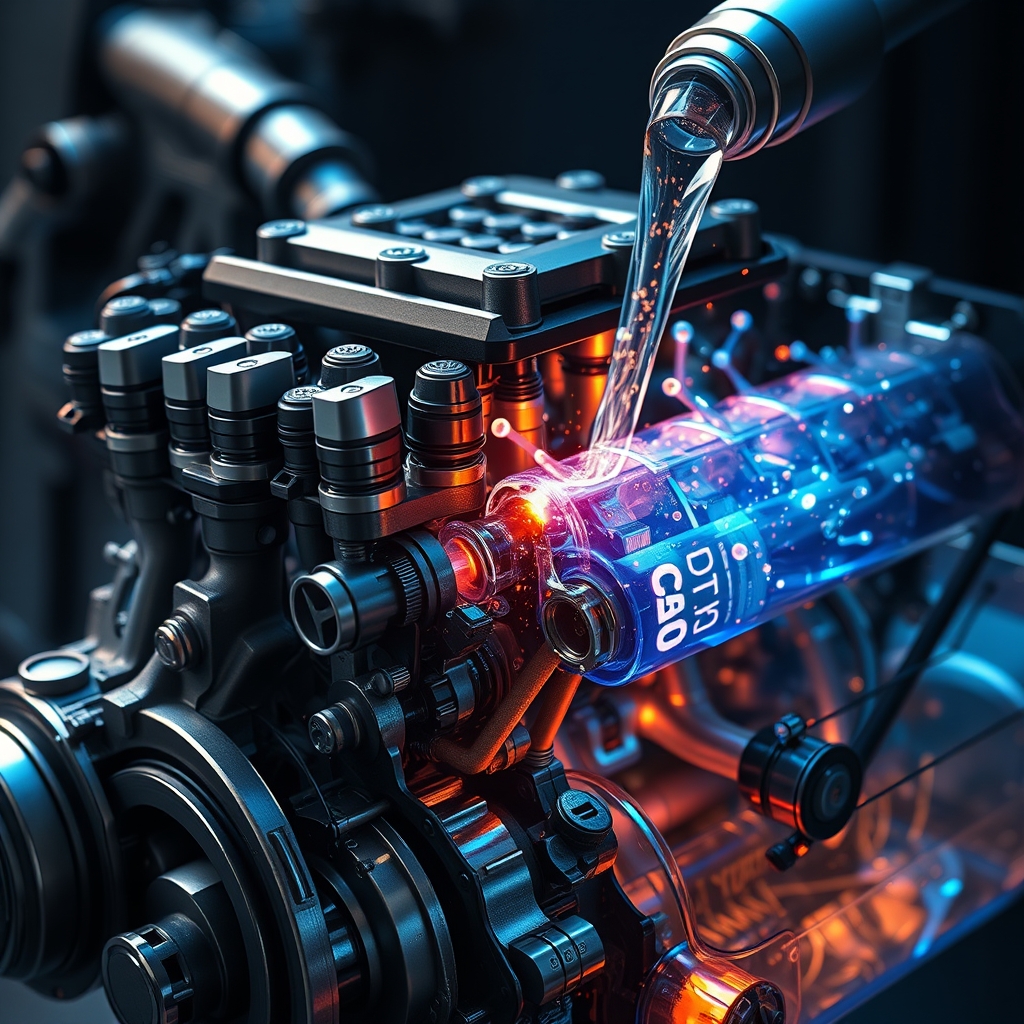
Every time you fill up your tank, you’re not just pumping fuel—you’re introducing a complex ecosystem of chemicals designed to keep your engine running smoothly. Yet, most drivers remain unaware of the silent engineers working under the hood: fuel additives. These specialized compounds, often overlooked, play a critical role in maintaining engine health, optimizing performance, and even reducing environmental impact. From the moment fuel enters your engine to the instant it ignites, additives are hard at work, ensuring every component operates at peak efficiency.
The Chemistry of Combustion: How Additives Enhance Fuel Quality
Fuel isn’t just a single substance—it’s a blend of hydrocarbons, impurities, and, when refined, a carefully curated mix of additives. The quality of fuel can vary dramatically depending on its source, refining process, and storage conditions. This is where additives step in, acting as equalizers to standardize performance. For instance, octane boosters elevate the octane rating of gasoline, preventing engine knock—a condition where fuel ignites prematurely, causing damage over time. Similarly, cetane improvers enhance diesel fuel’s ignition quality, ensuring smoother starts and more efficient combustion in cold weather.
But the role of additives goes beyond mere performance enhancement. They also address the inevitable byproducts of combustion. Carbon deposits, a natural result of burning fuel, can accumulate on critical engine components like fuel injectors, intake valves, and pistons. Over time, these deposits restrict airflow, reduce fuel efficiency, and compromise power. Carbon deposit removers and polyetheramine cleaners work at a molecular level to break down these stubborn residues, restoring lost performance and preventing long-term damage. In direct injection engines, where carbon buildup is particularly problematic, direct injection detergents are formulated to target and dissolve deposits without harming sensitive components.
The Lifecycle of Fuel: From the Pump to the Engine
Fuel doesn’t stay pristine once it leaves the refinery. Exposure to oxygen, moisture, and temperature fluctuations can degrade its quality, leading to issues like phase separation in ethanol-blended fuels or the formation of gums and varnishes. Fuel stabilizers act as preservatives, slowing down oxidation and preventing the breakdown of fuel during storage. This is especially crucial for seasonal vehicles, boats, or generators that may sit unused for months. Without stabilizers, stale fuel can clog fuel lines, corrode components, and leave engines struggling to start.
For diesel engines, cold weather presents a unique challenge. As temperatures drop, the paraffin wax in diesel fuel begins to crystallize, thickening the fuel and clogging filters. Diesel anti-gel additives modify the wax’s structure, preventing it from solidifying and ensuring fuel flows freely even in sub-zero conditions. Meanwhile, friction modifiers reduce wear between moving parts, extending the lifespan of pumps, injectors, and cylinders. These additives don’t just improve performance—they protect your investment, reducing the need for costly repairs down the line.
The Green Revolution: Eco-Friendly Additives and Emissions Control
As environmental regulations tighten and consumers demand more sustainable options, the fuel additive industry has responded with innovations that reduce emissions without sacrificing performance. Oxygenated fuel additives, such as ethanol or MTBE, increase the oxygen content of fuel, promoting more complete combustion and lowering harmful exhaust emissions like carbon monoxide and unburned hydrocarbons. Bio cetane boosters, derived from renewable sources like vegetable oils, offer a greener alternative to traditional cetane improvers, reducing the carbon footprint of diesel engines.
Graphene, a single layer of carbon atoms arranged in a hexagonal lattice, has emerged as a game-changer in fuel additive technology. Graphene fuel additives improve fuel efficiency by enhancing thermal conductivity and reducing friction within the engine. Studies have shown that graphene can increase fuel economy by up to 15% while simultaneously lowering emissions. Similarly, glycerol derivative additives, often sourced from biodiesel production, serve as eco-friendly alternatives to petroleum-based additives, offering comparable performance with a smaller environmental impact.
Beyond Performance: The Hidden Benefits of Fuel Additives
While the primary goal of fuel additives is to enhance engine performance, their benefits extend far beyond the mechanical. By improving combustion efficiency, additives reduce fuel consumption, saving drivers money at the pump. Cleaner engines also emit fewer pollutants, contributing to better air quality and a healthier environment. For fleet operators and commercial vehicles, the cost savings from reduced maintenance and improved fuel economy can be substantial, making additives a smart investment for both personal and professional use.
Moreover, additives play a crucial role in extending the life of modern engines, which are designed to operate with tighter tolerances and higher pressures than ever before. Direct injection and turbocharged engines, in particular, are more susceptible to carbon buildup and fuel-related issues. Regular use of high-quality additives can prevent these problems, ensuring that your engine delivers reliable performance for years to come. Whether you’re driving a high-performance sports car, a fuel-efficient hybrid, or a heavy-duty diesel truck, there’s an additive tailored to your engine’s specific needs.
The next time you pull up to the pump, take a moment to consider the unseen forces at work in your fuel tank. Fuel additives may operate behind the scenes, but their impact is anything but invisible. From preventing engine knock to reducing emissions and extending the life of your vehicle, these chemical marvels are the unsung heroes of modern motoring. By understanding how they work and choosing the right additives for your engine, you can unlock a level of performance, efficiency, and sustainability that goes far beyond what fuel alone can deliver.