Revving Up Efficiency: How Next-Gen Fuel Additives Are Shaping the Future of Cleaner, Smarter Engines
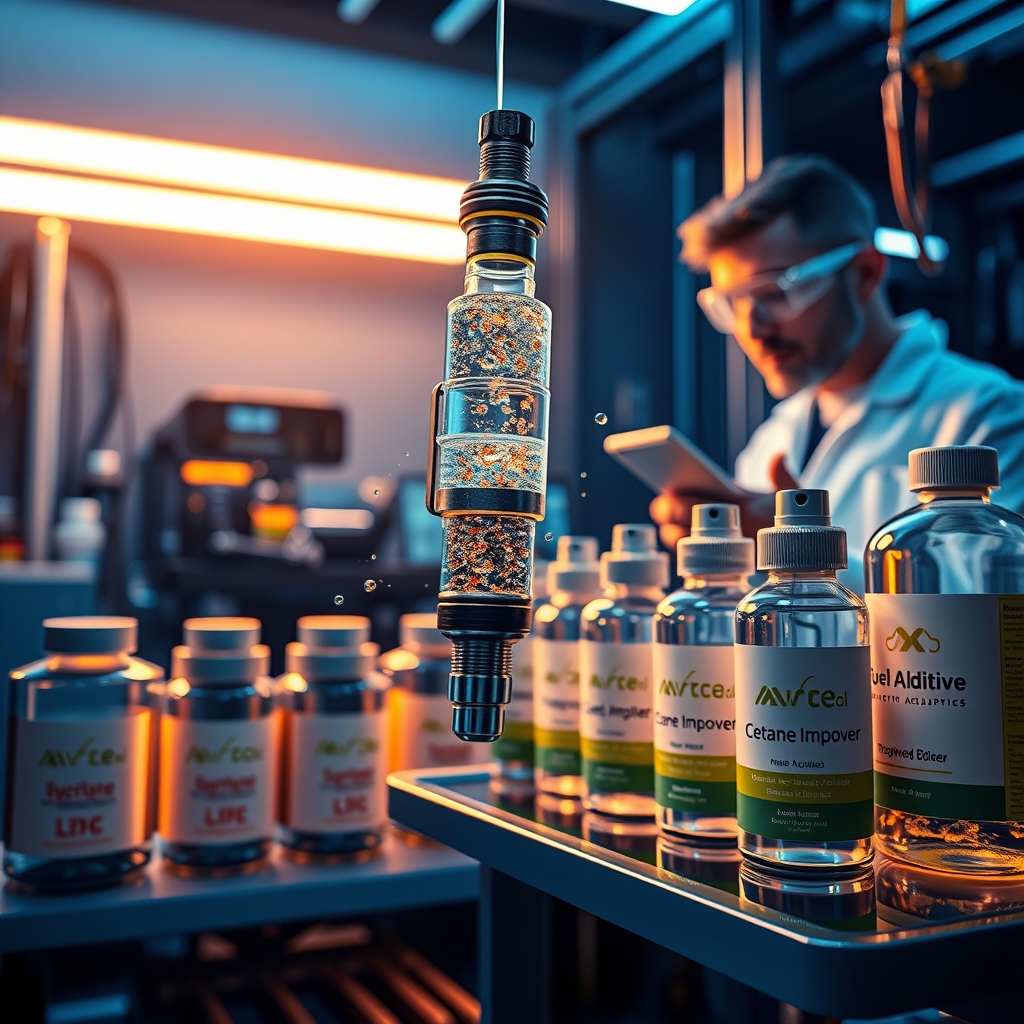
Engines are the beating heart of modern transportation, but over time, even the most advanced powertrains can succumb to the silent enemies of inefficiency: carbon deposits, fuel degradation, and friction. While regular maintenance keeps vehicles running, the real game-changer lies in the microscopic world of fuel additives—chemical formulations designed to optimize performance, reduce emissions, and extend engine life. Today’s additives are no longer just quick fixes; they are precision-engineered solutions that address everything from cold-weather diesel gelling to the stubborn carbon buildup in direct injection systems.
The Evolution of Fuel Additives: From Basic Cleaners to Smart Solutions
Early fuel additives were simple detergents, designed to keep carburetors and fuel injectors free of varnish and deposits. But as engines evolved—becoming more complex, efficient, and environmentally conscious—so too did the additives. Modern formulations now incorporate advanced chemistries like polyetheramine cleaners and graphene-based friction modifiers, which go beyond cleaning to actively enhance combustion efficiency and reduce wear.
Take direct injection detergent additives, for example. These specialized cleaners target the high-pressure fuel systems found in many modern gasoline engines, where carbon deposits can form on intake valves and injectors, leading to rough idling, reduced power, and increased emissions. Unlike traditional cleaners, these detergents are formulated to dissolve and prevent deposits without harming sensitive engine components, making them a critical tool for maintaining peak performance.
The Role of Octane and Cetane Boosters in Performance Optimization
For drivers seeking to extract every ounce of power from their engines, octane boosters and cetane improvers are invaluable. Octane boosters increase the octane rating of gasoline, allowing high-performance engines to run more advanced ignition timing without knocking—a phenomenon that can cause severe engine damage. Meanwhile, cetane improvers enhance diesel fuel’s ignition quality, leading to smoother starts, reduced white smoke, and improved fuel economy, particularly in cold weather.
But performance isn’t just about power—it’s also about longevity. Bio cetane boosters, derived from renewable sources, offer a dual benefit: they improve combustion efficiency while reducing the environmental impact of diesel engines. These additives are particularly valuable in fleets and heavy-duty applications, where fuel quality can vary significantly, and engine wear is a constant concern.
Tackling the Cold: Diesel Anti-Gel and Fuel Stabilizers
For diesel engine owners, cold weather presents a unique challenge. When temperatures drop, the paraffin wax in diesel fuel can crystallize, clogging fuel filters and starving the engine of fuel. Diesel anti-gel additives work by lowering the fuel’s cold filter plugging point (CFPP), ensuring that diesel remains fluid even in subzero conditions. These additives are a winter essential for truckers, farmers, and anyone relying on diesel-powered equipment in cold climates.
Fuel degradation is another silent killer of engine performance. Over time, gasoline and diesel can oxidize, forming gums and varnishes that clog fuel systems and reduce efficiency. Fuel stabilizers combat this by slowing the oxidation process, extending the shelf life of stored fuel, and preventing the formation of harmful deposits. Whether you’re storing fuel for a seasonal vehicle or managing a fleet, stabilizers are a cost-effective way to protect your investment.
Eco-Friendly Additives: Balancing Performance and Sustainability
As environmental regulations tighten and consumers demand greener solutions, the fuel additive industry has responded with a new generation of eco-friendly additives. These formulations reduce harmful emissions without sacrificing performance, often by improving combustion efficiency or incorporating renewable ingredients. Oxygenated fuel additives, for instance, enhance the oxygen content of fuel, leading to more complete combustion and lower emissions of carbon monoxide and unburned hydrocarbons.
Another promising development is the use of glycerol derivative additives, which are derived from biodiesel production. These additives can improve lubricity, reduce emissions, and even enhance cold-weather performance, all while utilizing a byproduct that would otherwise go to waste. Similarly, graphene fuel additives are gaining attention for their ability to reduce friction and improve fuel economy, offering a high-tech solution to an age-old problem.
The Future of Fuel Additives: Smarter, Cleaner, and More Efficient
The next frontier in fuel additives lies in smart formulations that adapt to real-time engine conditions. Researchers are exploring additives that release active ingredients only when needed, such as during cold starts or high-load conditions, maximizing their effectiveness while minimizing waste. Nanotechnology is also playing a role, with nanoparticles designed to enhance combustion efficiency and reduce emissions at the molecular level.
For drivers, mechanics, and fleet managers, the message is clear: fuel additives are no longer an optional extra but a critical component of modern engine care. Whether you’re looking to boost performance, reduce emissions, or protect your engine from the ravages of time and temperature, there’s an additive designed to meet your needs. The key is choosing the right formulation for your specific application—because in the world of engines, the smallest details can make the biggest difference.
As engines continue to evolve, so too will the additives that keep them running at their best. The future of fuel additives isn’t just about cleaning or boosting performance; it’s about creating smarter, more sustainable solutions that help engines run cleaner, longer, and more efficiently than ever before. And in a world where every drop of fuel counts, that’s a future worth investing in.