The Future of Transportation: Exploring the Potential of Gaseous Alternative Fuels
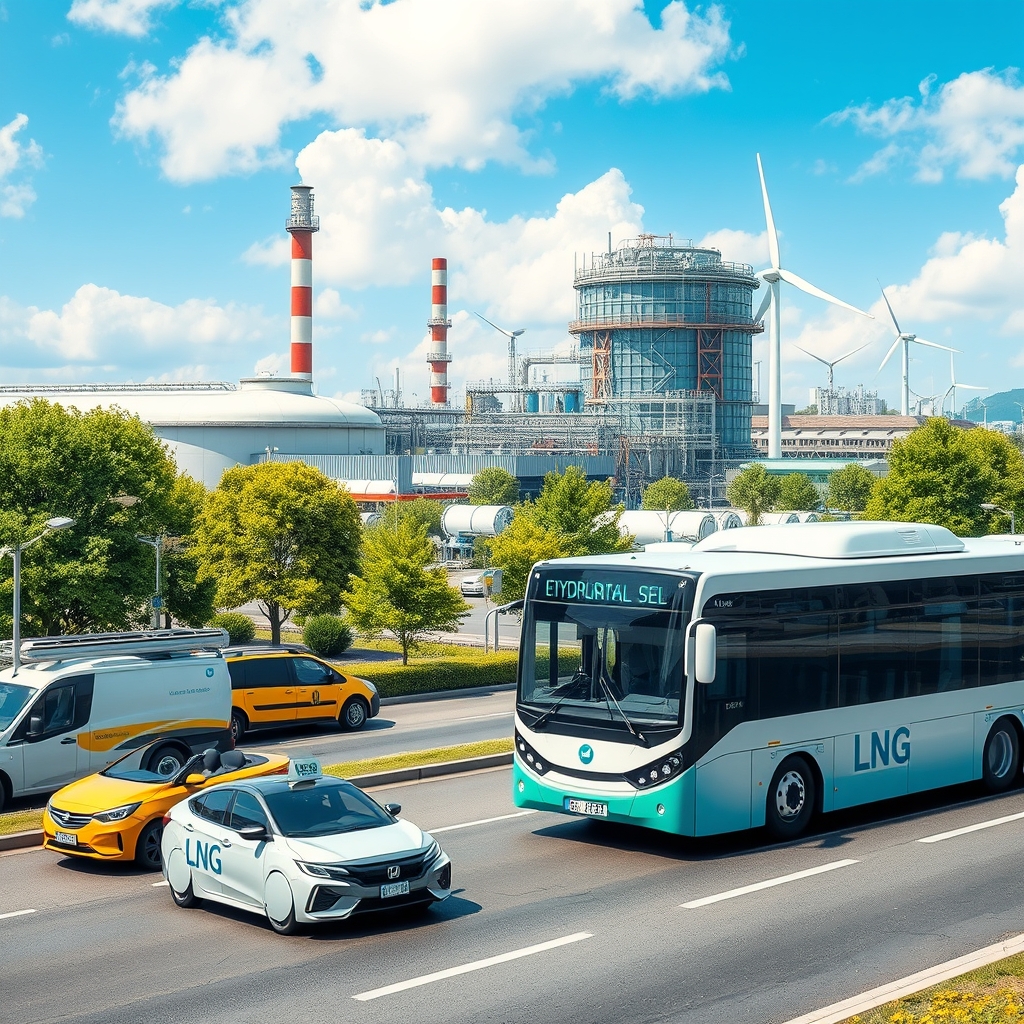
The global transportation sector stands at a crossroads, facing mounting pressure to reduce its carbon footprint while maintaining efficiency and affordability. As governments and industries seek sustainable alternatives to traditional fossil fuels, gaseous alternative fuels have emerged as a promising solution. These fuels, including Compressed Natural Gas (CNG), Liquefied Petroleum Gas (LPG), Liquefied Natural Gas (LNG), and hydrogen, offer a cleaner, more versatile path forward for vehicles and infrastructure alike.
The Rise of Gaseous Fuels in Modern Transportation
Gaseous fuels are not a new concept, but recent advancements in technology and infrastructure have revitalized their role in the transportation ecosystem. Unlike liquid fuels, gaseous alternatives burn cleaner, producing significantly lower levels of harmful emissions such as carbon monoxide, nitrogen oxides, and particulate matter. This characteristic makes them particularly attractive for urban environments, where air quality is a growing concern. Additionally, many gaseous fuels are derived from renewable sources or can be produced with lower carbon intensity, further enhancing their environmental credentials.
Compressed Natural Gas (CNG) and Liquefied Natural Gas (LNG)
CNG and LNG are two of the most widely adopted gaseous fuels in the transportation sector. CNG, which is natural gas compressed to less than 1% of its volume at standard atmospheric pressure, is commonly used in light-duty vehicles, buses, and even some commercial trucks. Its popularity stems from its lower cost compared to gasoline or diesel, as well as its ability to reduce greenhouse gas emissions by up to 30% when compared to conventional fuels.
LNG, on the other hand, is natural gas cooled to -162°C (-260°F) to convert it into a liquid, making it more energy-dense and suitable for long-haul trucking and shipping. While LNG requires specialized cryogenic fuel storage tanks, its higher energy content per unit volume makes it an ideal choice for heavy-duty applications where range and efficiency are critical. Both CNG and LNG can be produced from renewable sources, such as biomethane, which is derived from organic waste, further reducing their environmental impact.
Liquefied Petroleum Gas (LPG) and Autogas
LPG, often referred to as autogas when used as a vehicle fuel, is a byproduct of natural gas processing and petroleum refining. It consists primarily of propane and butane and is stored in liquid form under moderate pressure. LPG is widely used in passenger vehicles, taxis, and fleet operations due to its affordability, ease of conversion, and lower emissions profile. In many countries, LPG autogas is a popular alternative to gasoline, offering comparable performance with reduced fuel costs and emissions.
The adoption of LPG has been facilitated by the availability of CNG conversion kits, which allow existing gasoline or diesel engines to run on LPG with minimal modifications. These kits typically include a high-pressure gas tank, a gas fuel injection system, and a control module to optimize fuel delivery. The versatility of LPG makes it an attractive option for both retrofitting older vehicles and integrating into new models designed for dual fuel operation.
The Hydrogen Revolution: Fuel Cells and Internal Combustion Engines
Hydrogen is often hailed as the ultimate clean fuel, as it produces only water vapor when used in fuel cells or internal combustion engines. The development of hydrogen fuel cell vehicles (FCEVs) has gained significant momentum in recent years, with major automakers investing heavily in this technology. FCEVs generate electricity through a chemical reaction between hydrogen and oxygen, powering an electric motor with zero tailpipe emissions. This makes them an ideal solution for zero-emission transportation, particularly in applications where battery electric vehicles (BEVs) may face limitations, such as long-haul trucking or public transit.
Green Hydrogen and Infrastructure Challenges
While hydrogen holds immense promise, its widespread adoption faces several challenges, particularly in the realm of green hydrogen infrastructure. Currently, the majority of hydrogen is produced from natural gas through a process called steam methane reforming, which generates carbon emissions. However, green hydrogen, produced using renewable electricity to split water into hydrogen and oxygen, offers a truly sustainable alternative. The expansion of green hydrogen infrastructure, including production facilities, storage tanks, and refueling stations, is critical to unlocking the full potential of hydrogen as a transportation fuel.
Another hurdle is the storage and transportation of hydrogen, which requires high-pressure gas tanks or cryogenic fuel storage systems to maintain its gaseous or liquid state. Advances in materials science and engineering are gradually addressing these challenges, with innovations such as composite high-pressure tanks and liquefied gas vaporizers improving the safety and efficiency of hydrogen storage.
Hydrogen Internal Combustion Engines
In addition to fuel cells, hydrogen can also be used in internal combustion engines (ICEs), offering a transitional pathway for industries heavily invested in traditional engine technology. Hydrogen ICEs operate similarly to gasoline or diesel engines but produce only water vapor and negligible amounts of nitrogen oxides. This approach allows manufacturers to leverage existing engine designs and production infrastructure while reducing emissions. However, hydrogen ICEs face challenges related to efficiency and power output, as well as the need for specialized fuel injection systems to handle hydrogen’s unique properties.
Biomethane and Renewable Natural Gas: Closing the Carbon Loop
Biomethane, also known as renewable natural gas (RNG), is produced by upgrading biogas derived from organic waste, such as agricultural residues, sewage, or landfill gas. This process involves removing impurities like carbon dioxide and hydrogen sulfide, resulting in a fuel that is chemically identical to natural gas but with a significantly lower carbon footprint. When used in vehicles, biomethane can achieve near-zero greenhouse gas emissions, making it one of the most sustainable gaseous fuels available.
The integration of biomethane into existing natural gas infrastructure is relatively seamless, as it can be injected into the same pipelines and used in CNG or LNG vehicles without modification. This compatibility makes biomethane an attractive option for regions with established natural gas networks, enabling a smoother transition to renewable energy sources. Additionally, the production of biomethane can provide economic benefits by creating new revenue streams for waste management industries and reducing reliance on fossil fuels.
Synthetic Natural Gas and the Path to Carbon Neutrality
Synthetic natural gas (SNG) is another innovative solution that combines renewable electricity with carbon capture to produce a carbon-neutral fuel. SNG is created through a process called power-to-gas, where excess renewable energy is used to produce hydrogen, which is then combined with captured carbon dioxide to form methane. This methane can be used in the same way as natural gas, providing a sustainable alternative for vehicles and infrastructure.
The development of SNG highlights the potential for gaseous fuels to play a key role in achieving carbon neutrality. By leveraging renewable energy sources and advanced technologies, SNG can help bridge the gap between traditional fossil fuels and a fully sustainable energy future. As the technology matures, it could become a vital component of the global energy mix, supporting the transition to cleaner transportation and reducing dependence on finite resources.
The shift toward gaseous alternative fuels represents a transformative opportunity for the transportation sector. From CNG and LPG to hydrogen and biomethane, these fuels offer a diverse range of solutions tailored to different applications and needs. While challenges remain, particularly in infrastructure development and cost reduction, the progress made in recent years is undeniable. As technology continues to evolve and public awareness grows, gaseous fuels are poised to play a central role in shaping a cleaner, more sustainable future for transportation, where efficiency and environmental responsibility go hand in hand.