Under the Hood: The Engineering Marvels Behind Modern Gaseous Fuel Systems in Vehicles
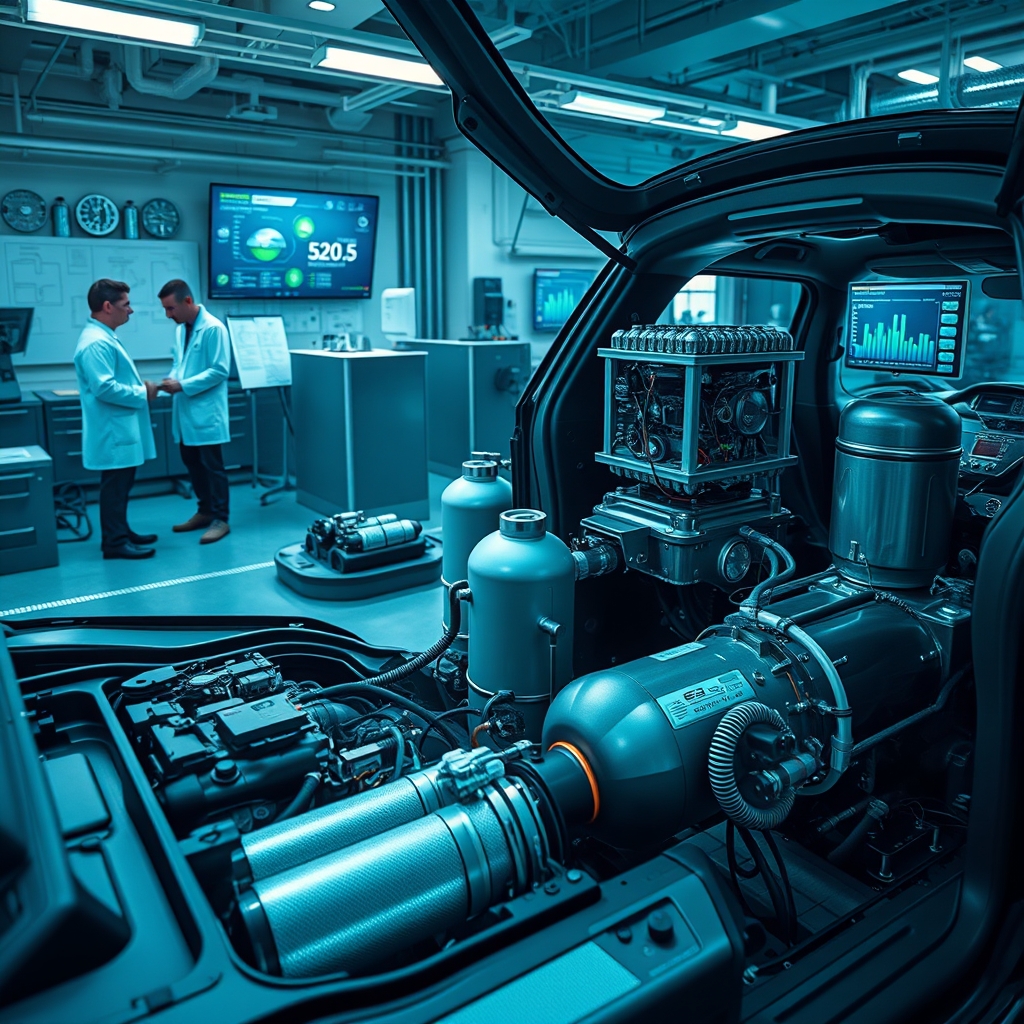
As the world accelerates toward a greener future, the transportation sector is undergoing a quiet but profound transformation. The shift from conventional liquid fuels to gaseous alternatives is not just a trend—it’s a technological revolution driven by innovation, efficiency, and environmental necessity. Beneath the sleek exteriors of modern vehicles lies a complex web of engineering marvels that make gaseous fuels like Compressed Natural Gas (CNG), Liquefied Petroleum Gas (LPG), and hydrogen viable, powerful, and increasingly mainstream. Let’s pop the hood and explore the intricate systems that are redefining how we power our journeys.
The Heart of the Matter: Gas Fuel Injection Systems
At the core of any gaseous fuel vehicle is its fuel injection system, a sophisticated network designed to deliver precise amounts of fuel to the engine. Unlike traditional gasoline or diesel engines, which rely on liquid fuel injectors, gaseous fuel systems must handle fuels that are already in a vaporous state. This requires a fundamentally different approach to ensure optimal combustion, efficiency, and performance.
Direct Injection Gas Engines (DIGE) represent the pinnacle of this technology. These systems inject gaseous fuel directly into the combustion chamber, allowing for greater control over the air-fuel mixture. The result? Improved thermal efficiency, reduced emissions, and enhanced power output. For instance, CNG and LPG direct injection systems can achieve near-zero particulate emissions while maintaining the performance drivers expect. The precision of these systems is made possible by advanced sensors and electronic control units (ECUs) that continuously monitor and adjust fuel delivery in real time, ensuring the engine operates at peak efficiency under all conditions.
The Role of High-Pressure Gas Tanks
Storing gaseous fuels safely and efficiently is one of the biggest challenges engineers face. Unlike liquid fuels, which can be stored in simple, low-pressure tanks, gaseous fuels require high-pressure containment to maximize energy density. This is where high-pressure gas tanks come into play, particularly for CNG and hydrogen vehicles.
Modern CNG tanks are typically made from lightweight composite materials, such as carbon fiber, which can withstand pressures of up to 3,600 psi (250 bar). These tanks are not only strong but also designed to be compact, allowing them to fit seamlessly into a vehicle’s existing architecture. For hydrogen fuel cell vehicles, the challenge is even greater, as hydrogen must be stored at pressures of up to 10,000 psi (700 bar) to achieve a practical driving range. Cryogenic fuel storage, which involves cooling hydrogen to -253°C to liquefy it, is another emerging solution that promises to increase storage efficiency while reducing the need for ultra-high-pressure tanks.
Dual Fuel Engines: The Best of Both Worlds
For those not ready to fully commit to gaseous fuels, dual fuel engines offer a compelling compromise. These systems allow vehicles to run on a combination of gaseous and liquid fuels, such as diesel and CNG or gasoline and LPG. The flexibility of dual fuel engines makes them an attractive option for fleets and long-haul transportation, where refueling infrastructure for gaseous fuels may still be limited.
The magic of dual fuel engines lies in their ability to seamlessly switch between fuel sources or use them simultaneously. For example, a diesel-CNG dual fuel engine can operate primarily on CNG while using a small amount of diesel to ignite the mixture. This not only reduces emissions but also extends the vehicle’s range, as the driver can switch to diesel when CNG is unavailable. The technology is particularly popular in heavy-duty trucks and buses, where the cost savings from using cheaper gaseous fuels can be substantial over time.
Biomethane and Renewable Natural Gas: Closing the Carbon Loop
While CNG and LPG are often derived from fossil sources, biomethane and renewable natural gas (RNG) are emerging as game-changers in the quest for truly sustainable transportation. Biomethane is produced by upgrading biogas, which is generated from the anaerobic digestion of organic waste, such as agricultural residues, sewage, or landfill gas. When purified, biomethane has the same chemical composition as natural gas, making it a drop-in replacement for CNG in existing vehicles and infrastructure.
RNG takes this a step further by ensuring that the entire production process is carbon-neutral or even carbon-negative. By capturing methane that would otherwise be released into the atmosphere—a potent greenhouse gas—RNG not only reduces emissions but also turns waste into a valuable resource. The integration of RNG into the transportation sector is a prime example of how circular economy principles can be applied to energy, creating a closed loop where waste is transformed into fuel, and emissions are minimized.
The Hydrogen Horizon: Fuel Cells and Internal Combustion
Hydrogen is often hailed as the ultimate clean fuel, and for good reason. When used in a fuel cell, hydrogen combines with oxygen to produce electricity, with water vapor as the only byproduct. However, the path to widespread hydrogen adoption is fraught with challenges, from production and storage to infrastructure and cost. Despite these hurdles, engineers are making significant strides in developing hydrogen-powered vehicles that are both practical and efficient.
Hydrogen fuel cell vehicles (FCVs) are already on the roads, with models like the Toyota Mirai and Hyundai Nexo leading the charge. These vehicles use a stack of fuel cells to generate electricity, which powers an electric motor. The beauty of FCVs lies in their simplicity and efficiency, as they eliminate the need for large battery packs while offering fast refueling times and long ranges. Meanwhile, hydrogen internal combustion engines (HICEs) are also gaining traction, particularly in heavy-duty applications. These engines burn hydrogen directly, much like a traditional gasoline engine, but with near-zero emissions and the potential for high power output.
Green Hydrogen Infrastructure: Building the Backbone of Tomorrow
The success of hydrogen as a transportation fuel hinges on the development of a robust green hydrogen infrastructure. Green hydrogen is produced using renewable electricity to power electrolysis, splitting water into hydrogen and oxygen. This process ensures that the hydrogen is truly carbon-free, unlike gray or blue hydrogen, which is derived from fossil fuels. However, scaling up green hydrogen production requires significant investment in renewable energy, electrolysis technology, and distribution networks.
One of the most promising developments in this space is the emergence of hydrogen hubs—regional networks that integrate production, storage, and distribution. These hubs are designed to serve multiple sectors, from transportation to industry, creating economies of scale that make hydrogen more affordable and accessible. For example, the European Union’s Hydrogen Strategy aims to install 40 gigawatts of electrolysis capacity by 2030, while countries like Australia and Saudi Arabia are investing heavily in large-scale green hydrogen projects. As these initiatives take shape, they will lay the foundation for a hydrogen-powered future.
CNG Conversion Kits: Retrofitting the Present for a Greener Future
Not every vehicle needs to be built from the ground up to run on gaseous fuels. CNG conversion kits offer a cost-effective way to retrofit existing vehicles, allowing them to run on compressed natural gas with minimal modifications. These kits typically include a high-pressure gas tank, a fuel delivery system, and an ECU that manages the air-fuel mixture. For fleet operators and individual drivers alike, conversion kits provide a practical pathway to reduce emissions and fuel costs without investing in a new vehicle.
The process of converting a vehicle to CNG is relatively straightforward, but it requires careful calibration to ensure the engine runs smoothly and efficiently. Modern conversion kits are designed to work with a wide range of vehicles, from passenger cars to heavy-duty trucks. In some regions, governments offer incentives or subsidies to encourage the adoption of CNG conversion kits, further lowering the barrier to entry. As the technology continues to evolve, these kits are becoming more affordable and easier to install, making them an increasingly popular choice for eco-conscious drivers.
The road to sustainable transportation is paved with innovation, and the engineering behind gaseous fuel systems is a testament to human ingenuity. From the precision of direct injection gas engines to the promise of green hydrogen, these technologies are not just reducing emissions—they’re reimagining what’s possible under the hood. As infrastructure expands and technology advances, gaseous fuels will play an increasingly vital role in powering the vehicles of tomorrow, offering a cleaner, more efficient, and more sustainable way to move forward. The journey has only just begun, and the destination is one where the air is cleaner, the roads are quieter, and the future is brighter for generations to come.