The Invisible Shift: How Advanced Gaseous Fuel Systems Are Transforming the Way We Move
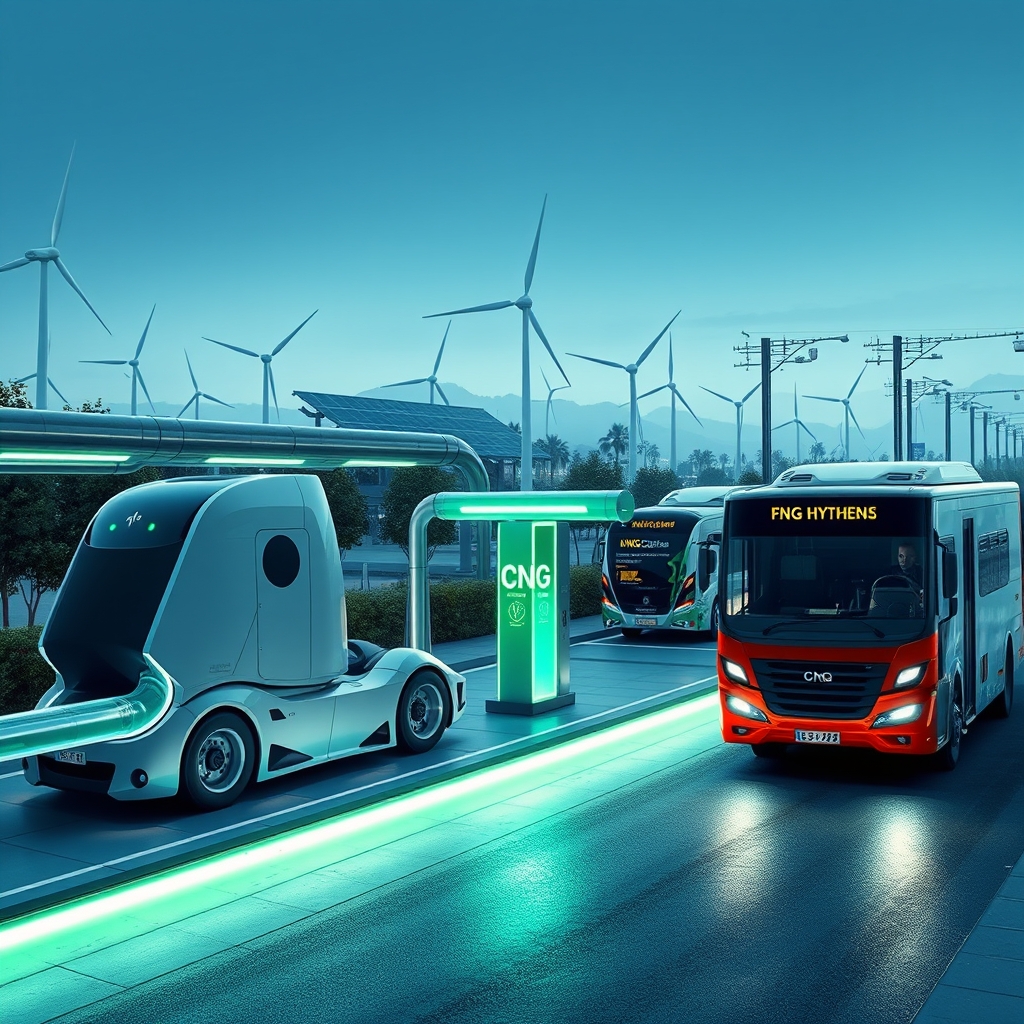
The transportation sector stands at a crossroads, where the urgency of climate action meets the relentless demand for efficiency and performance. While electric vehicles dominate headlines, a quieter transformation is unfolding beneath the surface—one powered by advanced gaseous fuel systems. These technologies, from Compressed Natural Gas (CNG) to green hydrogen, are not just alternatives but pivotal players in the transition to cleaner mobility. Their potential lies not only in reducing emissions but in redefining how we think about fuel, infrastructure, and the very mechanics of movement.
The Evolution of Gaseous Fuels: Beyond the Basics
Gaseous fuels are far from new. For decades, Liquefied Petroleum Gas (LPG) and CNG have been used in niche applications, particularly in regions with abundant natural gas reserves. However, recent advancements in engine technology and fuel delivery systems have elevated their role from stopgap solutions to high-performance, low-emission powerhouses. The shift is most evident in the development of direct injection gas engines and dual-fuel systems, which allow vehicles to seamlessly switch between gaseous and liquid fuels without sacrificing efficiency or power.
One of the most significant breakthroughs is the gas fuel injection system, which optimizes combustion by precisely controlling the air-fuel mixture. Unlike traditional carbureted systems, direct injection ensures that gaseous fuels burn more completely, reducing waste and minimizing harmful emissions. This technology is particularly transformative for heavy-duty vehicles, where diesel has long been the default choice. By integrating CNG or biomethane into these systems, fleets can achieve near-zero particulate emissions while maintaining the torque and range required for long-haul transport.
The Hydrogen Horizon: Fuel Cells and Beyond
While natural gas derivatives like CNG and LPG offer immediate benefits, the long-term promise of gaseous fuels lies in hydrogen. Hydrogen fuel cell vehicles (FCVs) have garnered attention for their ability to emit only water vapor, but their adoption has been hindered by infrastructure challenges. Yet, the conversation is evolving. Innovations in green hydrogen infrastructure—powered by renewable energy—are making it increasingly viable as a scalable solution. Unlike gray or blue hydrogen, which relies on fossil fuels, green hydrogen is produced through electrolysis using wind, solar, or hydroelectric power, making it a truly zero-emission fuel.
But hydrogen’s potential doesn’t end with fuel cells. The hydrogen internal combustion engine (H2-ICE) is emerging as a bridge technology, offering a way to leverage existing engine designs while drastically cutting emissions. These engines burn hydrogen in a modified internal combustion process, producing negligible carbon dioxide and significantly lower nitrogen oxides compared to diesel or gasoline. For industries where battery-electric solutions are impractical—such as shipping, aviation, and heavy machinery—H2-ICE could be a game-changer, providing a familiar yet cleaner alternative to traditional fuels.
Infrastructure: The Backbone of the Gaseous Fuel Revolution
No fuel can succeed without the infrastructure to support it, and gaseous fuels present unique challenges. High-pressure storage, cryogenic handling, and specialized refueling stations are just a few of the hurdles that must be overcome. For CNG and hydrogen, high-pressure gas tanks and cryogenic fuel storage systems are critical. These tanks must be lightweight yet durable, capable of withstanding extreme pressures while ensuring safety. Advances in composite materials and tank design are making this possible, with some modern CNG tanks now boasting pressures of up to 3,600 psi, extending vehicle range and reducing refueling frequency.
Refueling infrastructure is equally vital. LPG Autogas stations are already widespread in Europe and parts of Asia, but the expansion of CNG and hydrogen networks requires significant investment. Governments and private companies are beginning to collaborate on this front, with projects like the European Union’s Hydrogen Valleys initiative aiming to create regional hubs for hydrogen production and distribution. In the U.S., the Department of Energy’s H2@Scale program is working to integrate hydrogen into multiple sectors, including transportation, by developing cost-effective production, storage, and delivery systems.
The Role of Renewable and Synthetic Gases
Sustainability is the cornerstone of the gaseous fuel revolution, and not all gases are created equal. Renewable Natural Gas (RNG), also known as biomethane, is produced by capturing methane from organic waste—such as landfills, wastewater treatment plants, and agricultural residues—and purifying it to pipeline-quality standards. When used as a vehicle fuel, RNG can achieve carbon-negative emissions, as it prevents methane—a potent greenhouse gas—from being released into the atmosphere. This makes it an attractive option for fleets looking to meet stringent emissions regulations while supporting a circular economy.
Another promising development is synthetic natural gas (SNG), which is produced by combining hydrogen (derived from renewable electricity) with carbon dioxide captured from industrial processes. SNG can be used in existing natural gas infrastructure and vehicles, offering a seamless transition to a low-carbon future. While still in the early stages of commercialization, SNG has the potential to decarbonize sectors that are difficult to electrify, such as maritime shipping and aviation.
Overcoming Barriers: Cost, Perception, and Policy
Despite their advantages, gaseous fuels face several barriers to widespread adoption. Cost is a major factor, particularly for hydrogen, where production, storage, and distribution remain expensive compared to conventional fuels. However, economies of scale are beginning to drive prices down. The cost of green hydrogen, for example, has fallen by nearly 50% over the past decade, and further reductions are expected as electrolysis technology improves and renewable energy becomes more affordable.
Public perception is another challenge. Many consumers and businesses still view gaseous fuels as less reliable or convenient than gasoline or diesel. Education and awareness campaigns are essential to dispel these myths, highlighting the performance, safety, and environmental benefits of fuels like CNG, LPG, and hydrogen. Fleet operators, in particular, are beginning to recognize the long-term cost savings and emissions reductions that gaseous fuels can provide, driving demand in sectors like public transit, logistics, and delivery services.
Policy support is the final piece of the puzzle. Governments around the world are implementing incentives to accelerate the adoption of gaseous fuels, from tax credits for alternative fuel vehicles to grants for refueling infrastructure. The European Green Deal, for instance, includes ambitious targets for hydrogen production and use, while the U.S. Inflation Reduction Act offers significant incentives for clean hydrogen and RNG projects. These policies are critical for leveling the playing field and ensuring that gaseous fuels can compete with fossil fuels on cost and accessibility.
The road to a sustainable transportation future is not paved with a single solution but with a mosaic of technologies, each playing a unique role. Gaseous fuels, with their versatility, efficiency, and potential for near-zero emissions, are poised to be a cornerstone of this transition. From the immediate benefits of CNG and LPG to the long-term promise of hydrogen and synthetic gases, these fuels offer a pathway to cleaner, more resilient mobility. The shift is already underway, invisible to many but transformative for all—quietly powering the vehicles of today while laying the foundation for the transportation systems of tomorrow.