The Road Ahead: How Nuclear Propulsion Could Redefine the Limits of Automotive Endurance
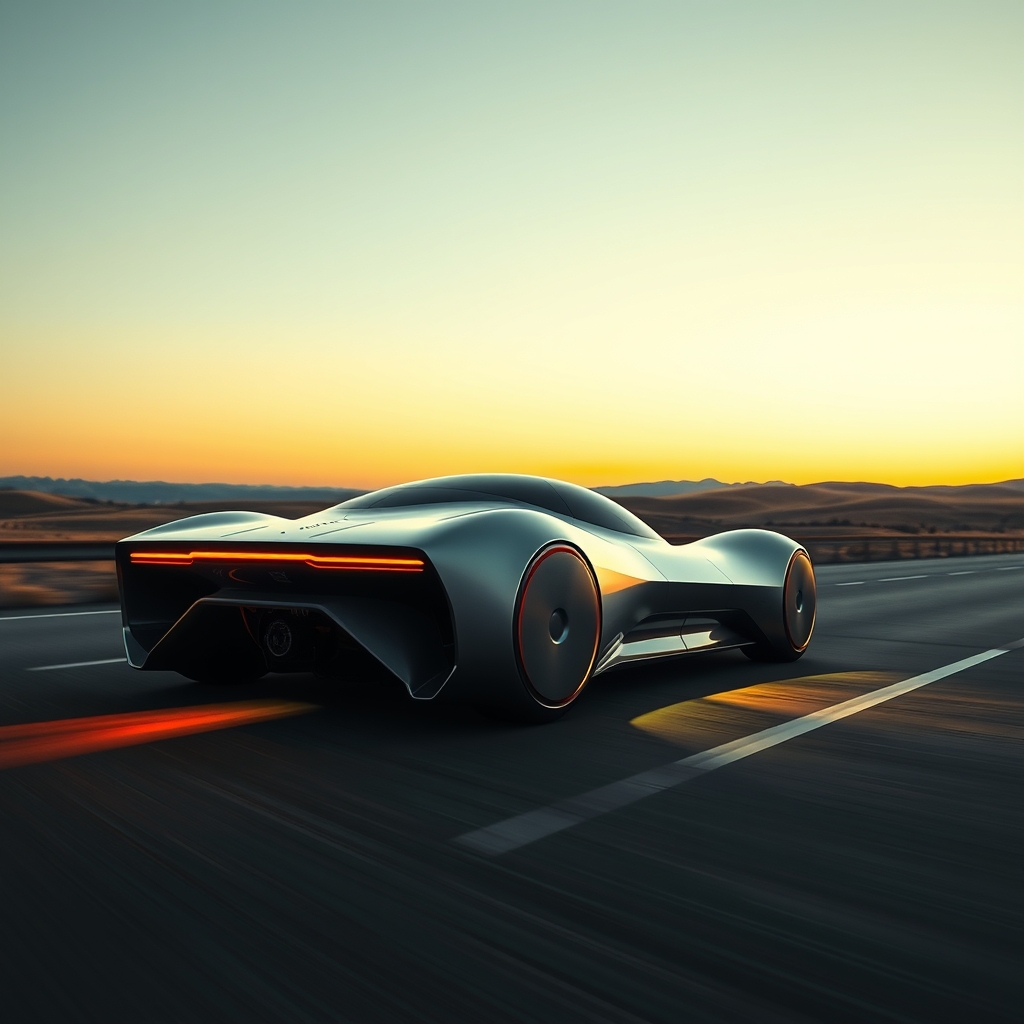
The idea of a vehicle powered by nuclear energy might sound like a relic of mid-20th-century futurism, but advances in technology are bringing this once-fanciful concept closer to reality. While the world grapples with the environmental and logistical challenges of fossil fuels, nuclear propulsion offers a tantalizing alternative—one that could redefine the boundaries of automotive endurance, efficiency, and sustainability. The question is no longer whether nuclear-powered vehicles are possible, but how soon they could become a practical part of our transportation landscape.
The Legacy of Atomic Ambition
One of the most iconic visions of nuclear-powered transportation was the Ford Nucleon, a 1958 concept car that promised a future where vehicles could travel thousands of miles without refueling. The Nucleon was designed to run on a small nuclear reactor, housed in a replaceable cartridge at the rear of the vehicle. Though it never progressed beyond a scale model, the Nucleon captured the imagination of an era fascinated by the potential of atomic energy. Today, that same spirit of innovation is driving new research into nuclear propulsion, but with a focus on safety, miniaturization, and real-world applicability.
From Concept to Reality: The Science Behind Nuclear Propulsion
At the heart of nuclear-powered vehicles lies the principle of harnessing energy from nuclear reactions, whether through fission or radioactive decay. One of the most promising technologies in this space is the Radioisotope Thermoelectric Generator (RTG), which converts heat from the decay of radioactive materials—such as plutonium-238—into electricity. RTGs have already been used in space exploration, powering missions like the Voyager probes and the Mars rover Perseverance. Their reliability and longevity make them an attractive option for terrestrial vehicles, particularly for applications where refueling is impractical, such as long-haul trucking or remote exploration.
Another avenue of exploration is the Small Modular Reactor (SMR), a compact fission reactor that could provide a continuous and scalable power source for vehicles. Unlike traditional nuclear reactors, SMRs are designed to be factory-built and transported to their point of use, making them a potential game-changer for automotive propulsion. Companies and research institutions are experimenting with micro nuclear reactors that could fit within the confines of a car or truck, offering the promise of near-limitless range without the need for frequent recharging or refueling.
Overcoming the Challenges
Despite the theoretical advantages of nuclear propulsion, several significant hurdles remain before it can become a mainstream technology. Safety is the most pressing concern, as the public perception of nuclear energy is often shaped by high-profile disasters like Chernobyl and Fukushima. To address these fears, modern nuclear-powered vehicles would need to incorporate robust shielding, fail-safe mechanisms, and redundant safety systems to prevent radiation leaks or meltdowns. Depleted uranium shielding, for example, could be used to protect passengers and bystanders from harmful radiation, while advanced containment designs could minimize the risk of accidents.
Regulatory and logistical challenges also loom large. The transportation and handling of nuclear materials are heavily regulated, and the infrastructure required to support nuclear-powered vehicles—such as refueling stations or reactor replacement facilities—would need to be developed from scratch. Additionally, the cost of nuclear fuel and the complexity of reactor maintenance could pose barriers to widespread adoption, at least in the early stages of the technology’s development.
The Environmental Equation
One of the most compelling arguments for nuclear-powered vehicles is their potential to drastically reduce greenhouse gas emissions. Unlike fossil fuels, nuclear energy produces no direct carbon emissions during operation, making it a clean alternative for powering transportation. Moreover, the energy density of nuclear fuel is orders of magnitude greater than that of gasoline or diesel, meaning that a single fuel load could last for years—or even decades—without replacement. This could eliminate the need for frequent refueling stops, reducing the environmental footprint of long-distance travel.
However, the environmental benefits of nuclear propulsion must be weighed against the challenges of nuclear waste disposal. While modern reactor designs aim to minimize waste and maximize fuel efficiency, the long-term storage and management of radioactive materials remain contentious issues. Innovations in closed-loop nuclear propulsion, where waste is recycled or reprocessed, could help mitigate these concerns, but the technology is still in its infancy.
The Future of Nuclear-Powered Mobility
As research into nuclear propulsion advances, the automotive industry is beginning to take notice. Startups and established automakers alike are exploring the potential of nuclear-powered vehicles, from long-haul trucks to personal cars. The military, too, has shown interest in the technology, with projects like the U.S. Army’s development of a nuclear-powered tactical vehicle. These efforts suggest that nuclear propulsion could first find a foothold in niche applications, such as commercial shipping, remote logistics, or defense, before trickling down to consumer vehicles.
Public perception will play a crucial role in determining the success of nuclear-powered vehicles. Education and transparency will be key to overcoming skepticism and building trust in the technology. If automakers and policymakers can demonstrate the safety, reliability, and environmental benefits of nuclear propulsion, it could pave the way for a new era of automotive innovation—one where the limitations of range and refueling become relics of the past.
The road to nuclear-powered vehicles is still long and uncertain, but the potential rewards are too significant to ignore. As technology continues to evolve, the dream of a car that can travel for years on a single fuel load may no longer be confined to the pages of science fiction. Instead, it could become a tangible reality, reshaping the way we think about transportation and energy. The journey has just begun, and the destination promises to be nothing short of revolutionary.