The Engine’s Lifeline: How Next-Generation Fuel Additives Are Redefining Performance, Efficiency, and Sustainability
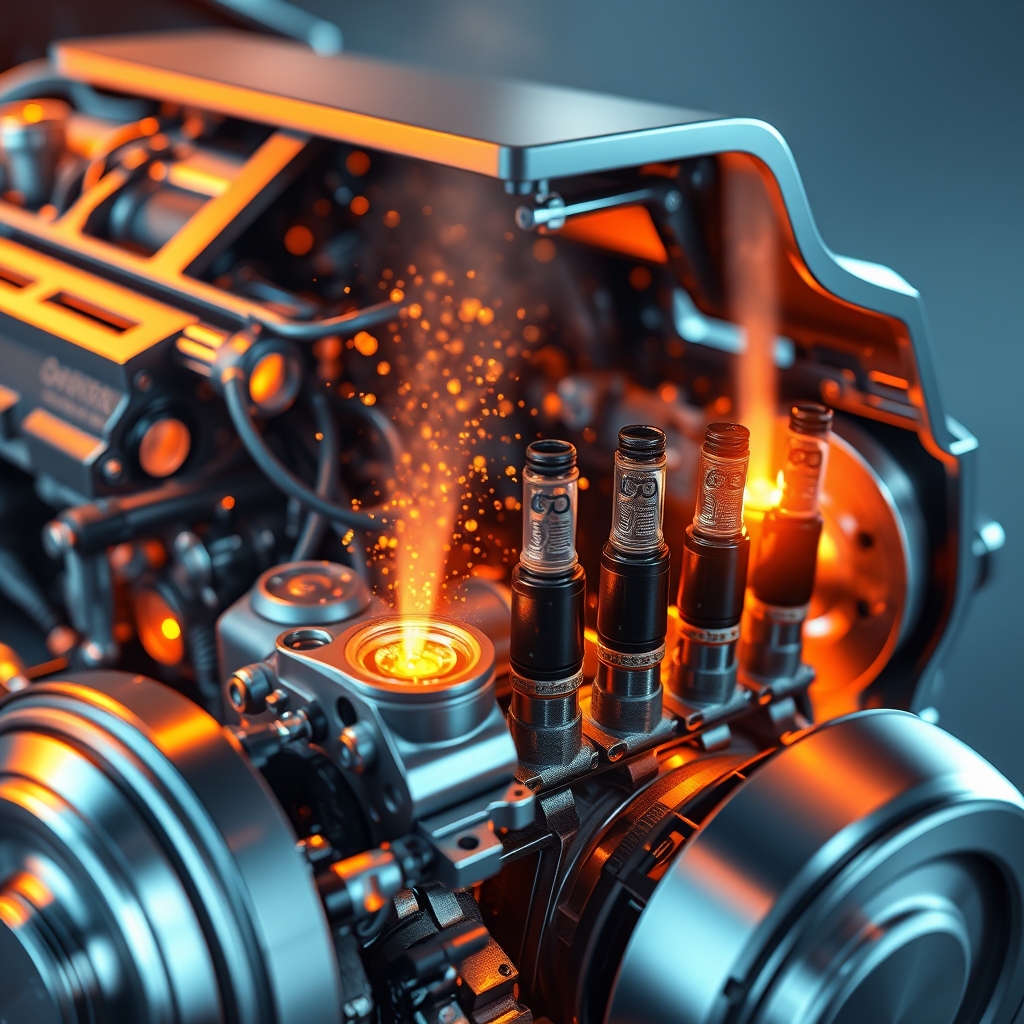
Every time you turn the key or press the start button, your engine embarks on a complex dance of combustion, friction, and energy conversion. Yet, beneath the surface, unseen forces—carbon deposits, fuel degradation, and inefficient combustion—gradually erode performance, fuel economy, and even the environment. The solution? A new generation of fuel additives, engineered not just to clean, but to transform how engines operate at a fundamental level. These aren’t your grandfather’s fuel treatments; they’re precision tools designed to tackle modern challenges with molecular-level accuracy.
The Carbon Conundrum: Why Deposits Are the Silent Killer
Carbon deposits are the silent saboteurs of engine performance. Over time, they accumulate on fuel injectors, intake valves, and combustion chambers, disrupting airflow, fuel spray patterns, and combustion efficiency. The result? Rough idling, reduced power, increased emissions, and higher fuel consumption. Traditional fuel system cleaners offer a temporary fix, but next-gen solutions like polyetheramine (PEA) cleaners and direct injection detergents go further. These additives don’t just scrub away deposits—they prevent them from forming in the first place, using advanced chemistry to break down carbon at the molecular level and keep engines running like new.
How Polyetheramine Cleaners Work
Polyetheramine-based additives are among the most effective carbon deposit removers available. Unlike older solvent-based cleaners, PEA molecules have a unique ability to penetrate and dissolve stubborn carbon buildup without harming engine components. They work by embedding themselves into the deposit structure, weakening the bonds that hold carbon together. Over time, these deposits break apart and are safely burned off during combustion. The result is restored fuel flow, improved atomization, and a smoother-running engine.
The Octane and Cetane Revolution: Boosting Combustion Efficiency
Not all fuel burns the same. Gasoline engines rely on octane to resist knocking, while diesel engines depend on cetane for efficient ignition. Poor-quality fuel can lead to incomplete combustion, wasted energy, and increased emissions. Enter octane boosters and cetane improvers—additives designed to optimize fuel quality on the fly. Octane boosters increase the fuel’s resistance to pre-ignition, allowing engines to run higher compression ratios for more power. Cetane improvers, on the other hand, shorten ignition delay in diesel engines, leading to smoother starts, reduced noise, and lower emissions.
The Rise of Bio-Based Boosters
Sustainability is no longer an afterthought in fuel additive technology. Bio cetane boosters, derived from renewable sources like vegetable oils and animal fats, offer a greener alternative to traditional cetane improvers. These additives not only enhance combustion efficiency but also reduce greenhouse gas emissions. Similarly, oxygenated fuel additives, such as ethanol blends, improve oxygen availability during combustion, leading to cleaner burns and lower particulate emissions. The shift toward bio-based and eco-friendly additives is a game-changer, proving that performance and sustainability can go hand in hand.
The Friction Factor: How Additives Reduce Wear and Tear
Friction is the enemy of longevity. Every moving part in an engine—pistons, bearings, camshafts—is subject to wear, especially during cold starts or high-stress conditions. Friction modifiers and synthetic fuel additives create a protective layer between metal surfaces, reducing wear and extending component life. Some advanced formulations, like those containing graphene, offer even greater protection. Graphene’s ultra-thin, ultra-strong structure forms a nearly frictionless barrier, reducing energy loss and improving fuel efficiency. The result? Engines that last longer, perform better, and require fewer repairs over time.
Diesel Anti-Gel: The Winter Warrior
Cold weather is the nemesis of diesel engines. When temperatures drop, the paraffin in diesel fuel begins to crystallize, clogging fuel filters and starving the engine of fuel. Diesel anti-gel additives work by lowering the fuel’s cold filter plugging point (CFPP), preventing wax crystals from forming and ensuring smooth operation even in sub-zero conditions. These additives are a winter essential for diesel owners, preventing costly breakdowns and keeping engines running reliably in the harshest conditions.
The Future of Fuel: Where Additives Are Headed
The next frontier in fuel additive technology is all about precision and intelligence. Emerging innovations include smart additives that adapt to driving conditions, releasing active ingredients only when needed. Others incorporate nanotechnology to target specific engine components, delivering cleaner combustion and reduced emissions with unprecedented accuracy. Meanwhile, emissions reduction additives are becoming more sophisticated, helping engines meet stricter environmental regulations without sacrificing performance. The goal? A future where fuel additives don’t just maintain engines—they actively enhance them, making every drop of fuel work harder and cleaner.
As engines evolve, so too must the tools we use to keep them running at their best. The latest generation of fuel additives represents a leap forward in performance, efficiency, and sustainability. Whether it’s breaking down carbon deposits, boosting octane, reducing friction, or preventing gelling in diesel fuel, these additives are the unsung heroes of modern motoring. They don’t just clean—they transform, turning every tank of fuel into an opportunity to drive smarter, cleaner, and more efficiently. The road ahead is paved with innovation, and fuel additives are leading the way.