Beyond Clean Fuel: How Advanced Additives Are Redefining Engine Efficiency and Longevity
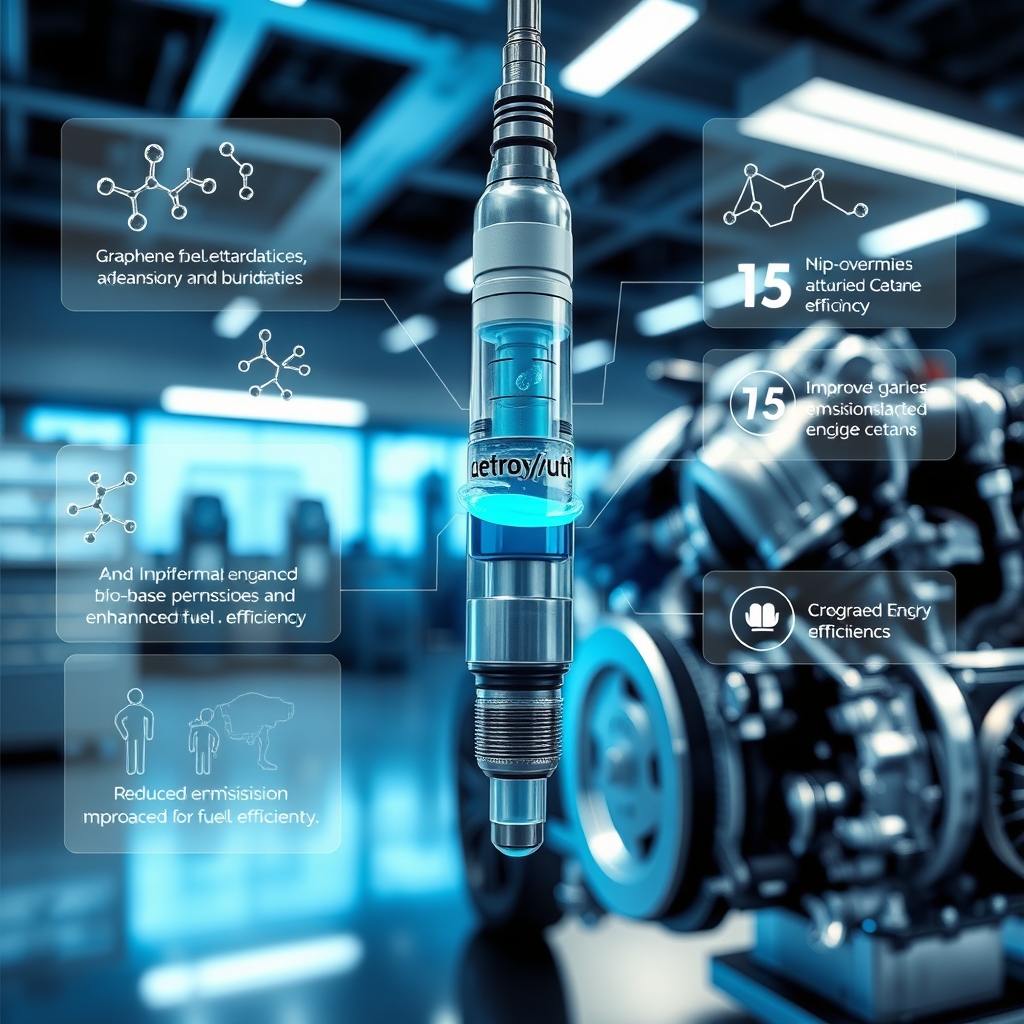
Modern engines, whether in high-performance sports cars or heavy-duty diesel trucks, demand more than just fuel to operate at their best. The secret to unlocking their full potential lies in the often-overlooked world of fuel additives—specialized compounds designed to enhance combustion, reduce wear, and minimize environmental impact. While traditional fuel additives like octane boosters and fuel stabilizers have been around for decades, today’s innovations are pushing the boundaries of what these chemical formulations can achieve. From graphene-enhanced additives to bio-based cetane improvers, the latest advancements are not just about keeping engines clean but redefining efficiency, longevity, and sustainability.
The Evolution of Fuel Additives: From Basic Cleaners to High-Tech Solutions
Fuel additives have come a long way since their inception. Early formulations primarily focused on addressing common issues like carbon buildup and fuel oxidation. Carbon deposit removers and gasoline detergent packages were among the first to gain widespread use, helping to maintain fuel injectors and combustion chambers by preventing the accumulation of harmful deposits. These additives worked by breaking down carbon and other residues, ensuring smoother engine operation and better fuel economy.
As engine technology advanced, so did the complexity of fuel additives. The introduction of direct injection systems, for example, created new challenges, such as increased carbon deposits on intake valves. This led to the development of direct injection detergents, which are specifically formulated to target and dissolve these stubborn deposits. Similarly, the rise of turbocharged engines necessitated additives that could withstand higher temperatures and pressures, leading to the creation of synthetic fuel additives designed to enhance thermal stability and lubricity.
The Role of Octane and Cetane Boosters in Performance Optimization
Octane boosters and cetane improvers have long been staples in the world of fuel additives, but their roles have evolved significantly. Octane boosters, traditionally used to prevent engine knocking in high-performance gasoline engines, now incorporate advanced chemistries that not only increase octane ratings but also improve combustion efficiency. This results in better throttle response, increased horsepower, and reduced emissions. Modern octane boosters often include oxygenated fuel additives, which enhance the oxygen content of the fuel, promoting more complete combustion and reducing harmful exhaust emissions.
On the diesel side, cetane improvers play a similar role by increasing the cetane number of the fuel, which improves ignition quality and reduces engine noise. However, the latest cetane boosters go beyond basic performance enhancements. Bio cetane boosters, derived from renewable sources like vegetable oils and animal fats, offer a sustainable alternative to traditional petroleum-based additives. These bio-based solutions not only improve engine performance but also reduce the carbon footprint of diesel engines, aligning with the growing demand for eco-friendly fuel additives.
Innovative Additives for Modern Challenges
As engines become more sophisticated, so do the challenges they face. One of the most pressing issues in modern engines is the formation of carbon deposits, particularly in direct injection systems. These deposits can lead to reduced power, increased fuel consumption, and higher emissions. To combat this, additives like polyetheramine cleaners have been developed. These powerful detergents are designed to dissolve and prevent the formation of carbon deposits, ensuring that engines remain clean and efficient over time.
Another emerging challenge is the use of ethanol-blended fuels, which can cause corrosion and deposit formation in fuel systems. Ethanol fuel treatments have been introduced to address these issues, providing corrosion inhibitors and detergents that protect fuel system components and maintain optimal performance. These treatments are particularly important for older vehicles or those that are not designed to run on high-ethanol fuels, as they help prevent damage and extend the life of the engine.
Friction Modifiers and Diesel Anti-Gel: Protecting Engines in Extreme Conditions
Friction modifiers are another category of fuel additives that have gained prominence in recent years. These additives work by reducing friction between moving parts in the engine, which not only improves fuel efficiency but also extends the life of critical components. Friction modifiers are particularly beneficial in high-mileage engines, where wear and tear can lead to decreased performance and increased fuel consumption. By forming a protective layer on metal surfaces, these additives help maintain engine efficiency and reduce the risk of costly repairs.
For diesel engines, cold weather presents a unique set of challenges. Diesel fuel can gel in low temperatures, leading to fuel filter clogging and engine failure. Diesel anti-gel additives are designed to prevent this by lowering the cold filter plugging point (CFPP) of the fuel, ensuring that it remains fluid even in freezing conditions. These additives are essential for diesel vehicle owners in colder climates, as they help prevent fuel system failures and keep engines running smoothly year-round.
The Future of Fuel Additives: Sustainability and Advanced Materials
The future of fuel additives is being shaped by two key trends: sustainability and the use of advanced materials. As the world moves toward greener technologies, the demand for eco-friendly fuel additives is growing. These additives are designed to reduce emissions, improve fuel efficiency, and minimize environmental impact. For example, glycerol derivative additives, derived from renewable sources, are being explored as a way to enhance fuel lubricity and reduce emissions. Similarly, graphene fuel additives are being tested for their ability to improve combustion efficiency and reduce friction, offering a glimpse into the future of high-performance engine care.
Emissions reduction additives are also playing a crucial role in the transition to cleaner fuels. These additives work by altering the chemical composition of exhaust gases, reducing harmful pollutants like nitrogen oxides (NOx) and particulate matter. By incorporating these additives into fuel, manufacturers can help vehicles meet increasingly stringent emissions standards without sacrificing performance.
The world of fuel additives is no longer just about keeping engines clean—it’s about redefining what engines can achieve. From enhancing performance and efficiency to reducing emissions and extending engine life, today’s advanced additives are pushing the boundaries of what is possible. Whether it’s through the use of bio-based cetane boosters, graphene-enhanced lubricants, or cutting-edge detergents, these innovations are helping to create a future where engines are not only more powerful but also more sustainable. As technology continues to evolve, the role of fuel additives will only become more critical, ensuring that engines remain at the forefront of performance and environmental responsibility.