The Science of Smoother Rides: How Specialized Fuel Additives Enhance Combustion and Reduce Wear
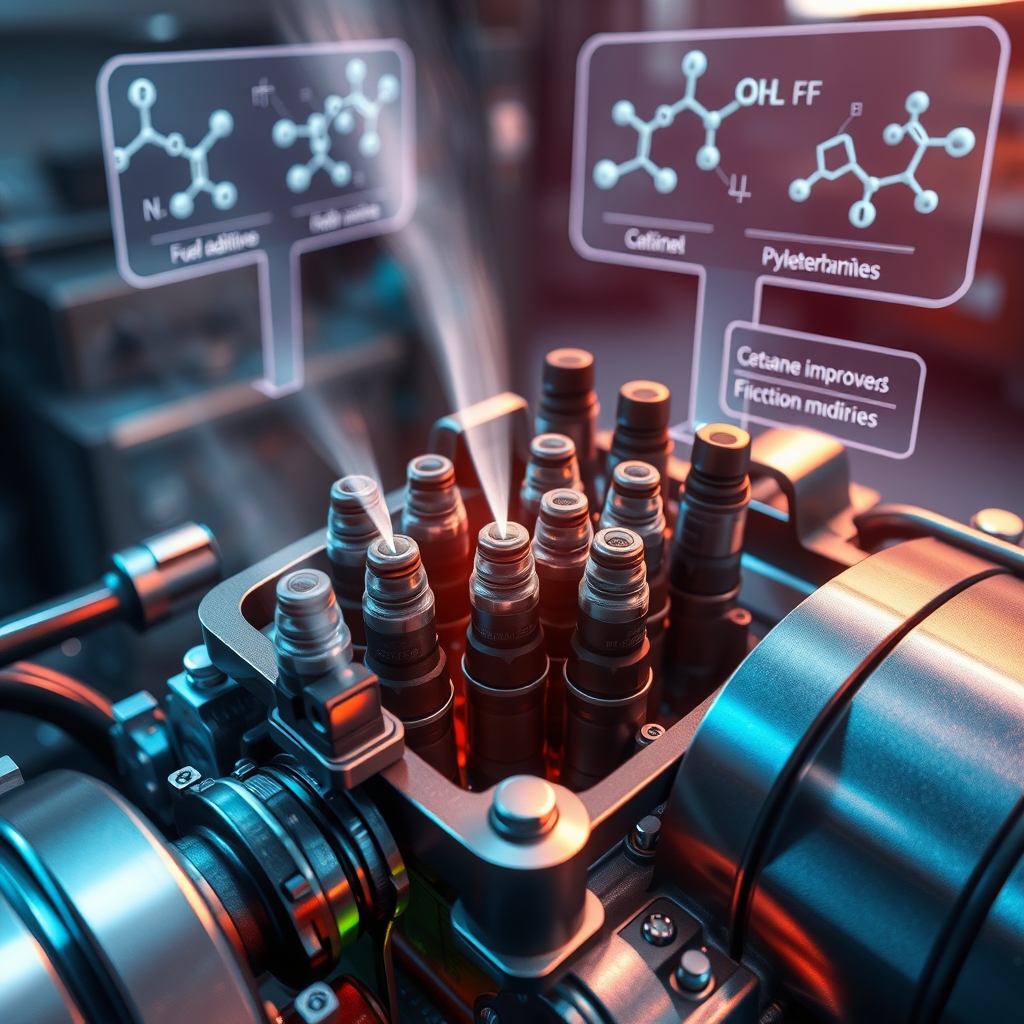
Every driver knows the frustration of a rough idle, sluggish acceleration, or that dreaded check engine light flickering to life. Often, these issues stem from something invisible yet critical: the buildup of carbon deposits, inefficient combustion, or fuel degradation over time. While regular maintenance like oil changes and air filter replacements are well-known, the role of specialized fuel additives in preserving engine health and performance is frequently overlooked. These chemical formulations, designed to optimize fuel properties and engine function, are the unsung heroes of modern automotive care.
The Chemistry Behind Cleaner Combustion
At the heart of every engine lies the combustion process, where fuel and air mix to generate power. However, incomplete combustion or low-quality fuel can lead to carbon deposits, which cling to fuel injectors, intake valves, and combustion chambers. Over time, these deposits disrupt airflow, reduce efficiency, and increase emissions. This is where additives like polyetheramine cleaners and direct injection detergents come into play. These compounds contain powerful detergents that break down and dissolve carbon deposits, restoring optimal fuel flow and combustion efficiency.
For diesel engines, cetane improvers and bio cetane boosters play a similar role by enhancing the fuel’s ignition quality. A higher cetane number means faster, more complete combustion, which translates to smoother starts, reduced noise, and lower emissions. Meanwhile, oxygenated fuel additives introduce additional oxygen molecules into the combustion process, promoting cleaner burns and reducing harmful exhaust byproducts like carbon monoxide and unburned hydrocarbons.
Protecting Engines from the Inside Out
Beyond cleaning, fuel additives also serve as protective agents for engine components. Friction modifiers, for example, contain lubricating compounds that reduce wear between moving parts, such as pistons, cylinders, and fuel pumps. This is particularly valuable in high-mileage engines or vehicles operating under extreme conditions, where metal-to-metal contact can accelerate degradation. Similarly, diesel anti-gel additives prevent fuel from thickening in cold temperatures, ensuring smooth flow and preventing fuel line freeze-ups that can leave drivers stranded.
For those storing vehicles or equipment for extended periods, fuel stabilizers are indispensable. These additives prevent fuel oxidation and degradation, which can lead to gum and varnish formation. By keeping fuel fresh, stabilizers ensure that engines start easily and run smoothly, even after months of inactivity. Meanwhile, graphene fuel additives are emerging as a cutting-edge solution, leveraging the ultra-thin, ultra-strong properties of graphene to improve fuel atomization, reduce friction, and enhance thermal conductivity. The result? Better fuel economy, increased power output, and extended engine life.
The Environmental Edge of Modern Additives
As environmental regulations tighten and consumers become more eco-conscious, the demand for eco-friendly fuel additives has surged. These formulations prioritize sustainability without compromising performance. Glycerol derivative additives, for instance, are derived from renewable sources and help reduce soot and particulate emissions in diesel engines. Similarly, bio cetane boosters are plant-based alternatives that enhance combustion efficiency while lowering the carbon footprint of diesel fuel.
Oxygenated additives, such as ethanol-based treatments, also contribute to cleaner emissions by promoting more complete fuel combustion. However, it’s important to note that not all oxygenated additives are created equal. Some may increase fuel volatility or compatibility issues with certain engine materials, so choosing the right product for your vehicle is crucial. For gasoline engines, gasoline detergent packages are specifically designed to meet the demands of modern direct injection systems, which are more prone to carbon buildup due to their high-pressure operation.
Choosing the Right Additive for Your Engine
With a dizzying array of fuel additives on the market, selecting the right one can feel overwhelming. The key is to match the additive to your engine’s specific needs. For gasoline engines, a high-quality fuel system cleaner with polyetheramine can address carbon deposits and restore lost performance. Diesel owners, on the other hand, may benefit from a combination of cetane improvers and anti-gel additives, especially in colder climates. For those seeking a long-term solution, synthetic fuel additives offer advanced protection and performance benefits, often incorporating friction modifiers and corrosion inhibitors.
It’s also worth considering the frequency of use. While some additives are designed for one-time treatments, others are formulated for regular use, such as every oil change or fuel fill-up. Always follow the manufacturer’s recommendations to avoid overuse, which can lead to unintended consequences like fuel system clogging or sensor malfunctions. Additionally, be wary of products that make exaggerated claims—reputable brands will provide transparent information about their formulations and benefits.
The Role of Additives in Engine Longevity
Engines are complex machines with countless moving parts, and their longevity depends on a combination of factors, including fuel quality, maintenance habits, and driving conditions. While no additive can replace proper care, incorporating the right fuel treatments into your routine can significantly extend your engine’s lifespan. By preventing carbon buildup, reducing friction, and optimizing combustion, additives help engines run more efficiently, with less strain on critical components. This not only translates to better performance but also reduces the likelihood of costly repairs down the road.
For fleet operators and commercial vehicle owners, the benefits are even more pronounced. Reduced downtime, improved fuel economy, and lower emissions can lead to substantial cost savings and a smaller environmental footprint. Even for everyday drivers, the peace of mind that comes from knowing your engine is protected from the inside out is invaluable. As fuel technology continues to evolve, so too will the additives designed to enhance it, offering ever-more sophisticated solutions for cleaner, smoother, and more efficient rides.
The road to optimal engine performance isn’t just about what you see under the hood—it’s about the invisible chemistry that keeps everything running smoothly. Whether you’re driving a high-performance sports car, a heavy-duty truck, or a fuel-efficient hybrid, the right fuel additive can make all the difference in how your engine performs today and how long it lasts into the future. With the right knowledge and a little attention to detail, you can unlock the full potential of your vehicle, one tank at a time.