The Future of Engine Performance: How Smart Fuel Systems Are Redefining Efficiency
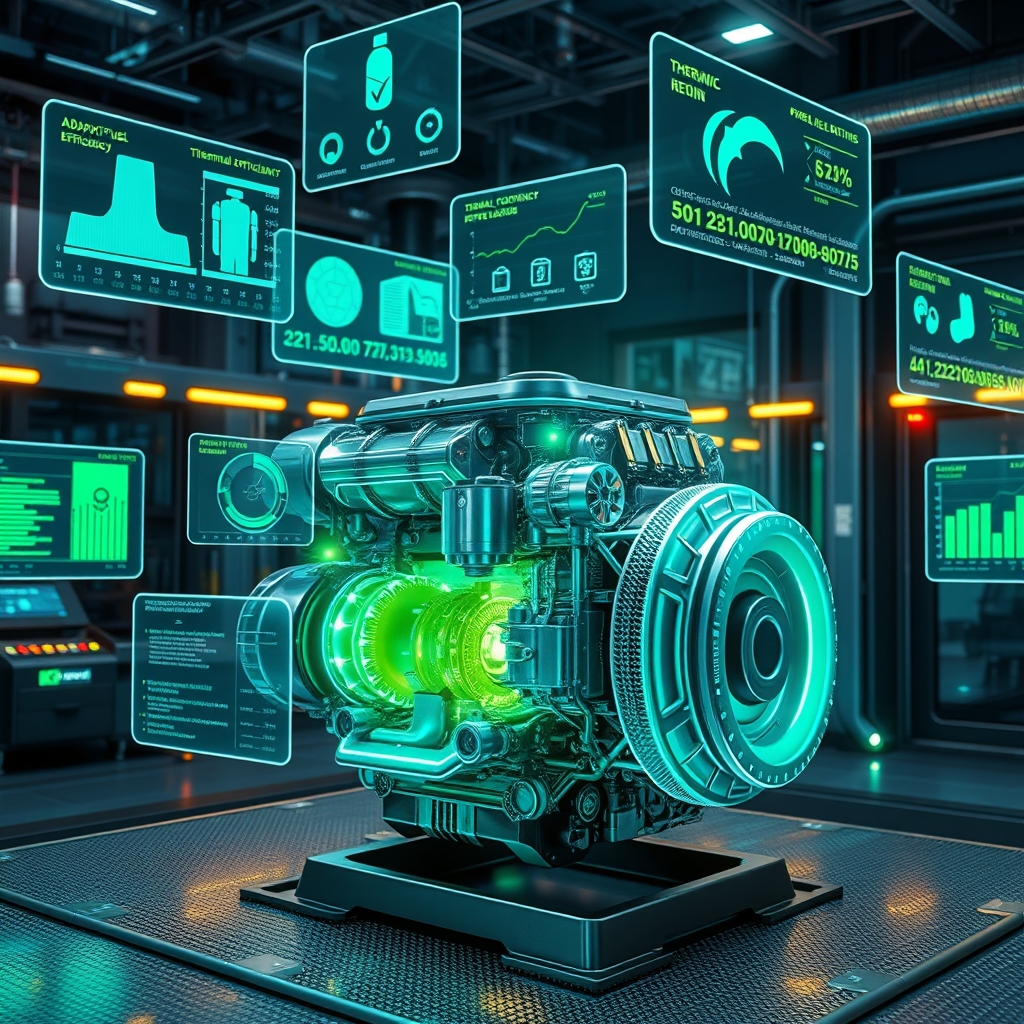
In an era where sustainability and performance must coexist, the evolution of engine technology has taken a revolutionary turn. Modern engines are no longer just mechanical marvels; they are intelligent systems capable of adapting, predicting, and optimizing every drop of fuel for maximum efficiency. This shift is not just about reducing emissions or improving power—it’s about reimagining how engines interact with fuel in real time, leveraging data, and pushing the boundaries of what’s possible in combustion technology.
The Science Behind Optimized Combustion Efficiency
At the heart of this transformation lies optimized combustion efficiency, a concept that goes beyond traditional engine tuning. Combustion efficiency refers to how effectively an engine converts fuel into usable energy, minimizing waste in the form of heat, unburned fuel, or harmful emissions. Historically, achieving peak efficiency required static adjustments—fine-tuning air-fuel ratios, ignition timing, and compression based on fixed parameters. However, today’s engines operate in dynamic environments where conditions change constantly.
Advanced sensors and adaptive fuel injection systems now allow engines to adjust these parameters in real time. By continuously monitoring factors like air density, temperature, engine load, and even driver behavior, these systems can optimize combustion cycle by cycle. The result? Engines that deliver consistent power while consuming less fuel and producing fewer emissions. For industries reliant on heavy machinery, transportation, or power generation, this translates to significant cost savings and a reduced environmental footprint.
Real-Time Fuel Monitoring: The Eyes and Ears of Modern Engines
One of the most groundbreaking advancements in this space is real-time fuel monitoring. Gone are the days when fuel consumption was tracked through periodic refills or rough estimates. Today, sophisticated fuel management systems provide granular insights into how fuel is being utilized at any given moment. These systems use a combination of flow meters, pressure sensors, and advanced algorithms to track fuel delivery, consumption rates, and even detect anomalies like leaks or inefficient combustion.
For fleet operators, this level of visibility is transformative. Smart fuel consumption tracking enables managers to identify underperforming vehicles, optimize routes, and train drivers to adopt more fuel-efficient habits. In industrial settings, real-time monitoring ensures that equipment operates within optimal parameters, reducing downtime and extending the lifespan of critical components. The data collected also feeds into larger data-driven fuel analytics platforms, where machine learning models can predict future fuel needs and suggest proactive adjustments.
Predictive Engine Performance: Anticipating Needs Before They Arise
The integration of predictive engine performance technologies is another leap forward. By analyzing historical data and real-time inputs, engines can now anticipate changes in operating conditions and adjust preemptively. For example, if a vehicle is approaching a steep incline, the system can adjust the air-fuel mixture and ignition timing to prepare for the increased load, ensuring smooth power delivery without excessive fuel consumption.
This predictive capability extends to predictive maintenance insights, where engines self-diagnose potential issues before they escalate. Sensors monitor wear and tear on components like injectors, pistons, and turbochargers, alerting operators to impending failures. This not only prevents costly breakdowns but also ensures that engines operate at peak efficiency throughout their lifecycle. The synergy between predictive performance and maintenance creates a self-sustaining cycle of optimization, where engines continuously learn and adapt to their environment.
Sustainable Fuel Integration: Bridging the Gap Between Performance and Eco-Consciousness
As the world shifts toward greener energy sources, sustainable fuel integration has become a critical focus. Modern engines are being designed to seamlessly switch between traditional fuels and alternative options like biodiesel, hydrogen, or synthetic fuels. This flexibility is made possible by responsive engine calibration systems that adjust combustion parameters based on the fuel’s properties. For instance, hydrogen requires different air-fuel ratios and ignition timing compared to diesel, and adaptive systems can make these adjustments automatically.
The benefits of sustainable fuel integration are twofold. First, it reduces reliance on fossil fuels, lowering the carbon footprint of engine operations. Second, it future-proofs engines against evolving regulatory landscapes, where emissions standards are becoming increasingly stringent. Companies that adopt these technologies early gain a competitive edge, positioning themselves as leaders in both performance and sustainability.
Precision Engine Tuning: The Art of Balancing Power and Efficiency
While real-time adjustments and predictive capabilities are impressive, the foundation of engine optimization still lies in precision engine tuning. This process involves fine-tuning an engine’s parameters to achieve the perfect balance between power output and fuel efficiency. Traditionally, this was a labor-intensive process requiring extensive dyno testing and manual adjustments. Today, however, integrated engine diagnostics and AI-driven tuning tools have streamlined the process.
These tools use advanced simulations to model how changes in parameters like camshaft timing, turbo boost pressure, or fuel injection duration will affect performance. Engineers can test thousands of configurations virtually before implementing the optimal setup in the real world. The result is engines that deliver efficient power delivery—maximizing output while minimizing fuel consumption. For high-performance applications, such as motorsports or aerospace, this level of precision can be the difference between victory and defeat.
Dynamic Fuel Optimization: Adapting to Every Scenario
No two driving or operating conditions are identical, which is why dynamic fuel optimization has become a game-changer. Unlike static tuning, which relies on fixed settings, dynamic optimization adjusts fuel delivery and combustion parameters on the fly. For example, a vehicle driving in stop-and-go traffic will require different fuel management strategies compared to one cruising on a highway. Dynamic systems use inputs from GPS, traffic data, and even weather conditions to make these adjustments automatically.
This technology is particularly valuable for hybrid and electric vehicles, where the interaction between internal combustion engines and electric motors must be carefully managed. By optimizing fuel usage in real time, these systems ensure that the engine operates in its most efficient range, extending the vehicle’s range and reducing emissions. The same principles apply to industrial engines, where dynamic optimization can significantly cut fuel costs in applications like generators or marine propulsion.
The journey toward smarter, more efficient engines is not just a technological evolution—it’s a paradigm shift in how we think about energy consumption. By harnessing the power of real-time data, predictive analytics, and adaptive systems, engines are becoming more than just machines; they are intelligent partners in the quest for sustainability and performance. As these technologies continue to advance, the line between efficiency and power will blur, ushering in an era where engines operate with unprecedented precision, responsiveness, and eco-consciousness. The future of combustion is not just about burning fuel; it’s about using it wisely, every single time.