Beyond Gasoline: Exploring the Viability of Nuclear-Powered Cars in the 21st Century
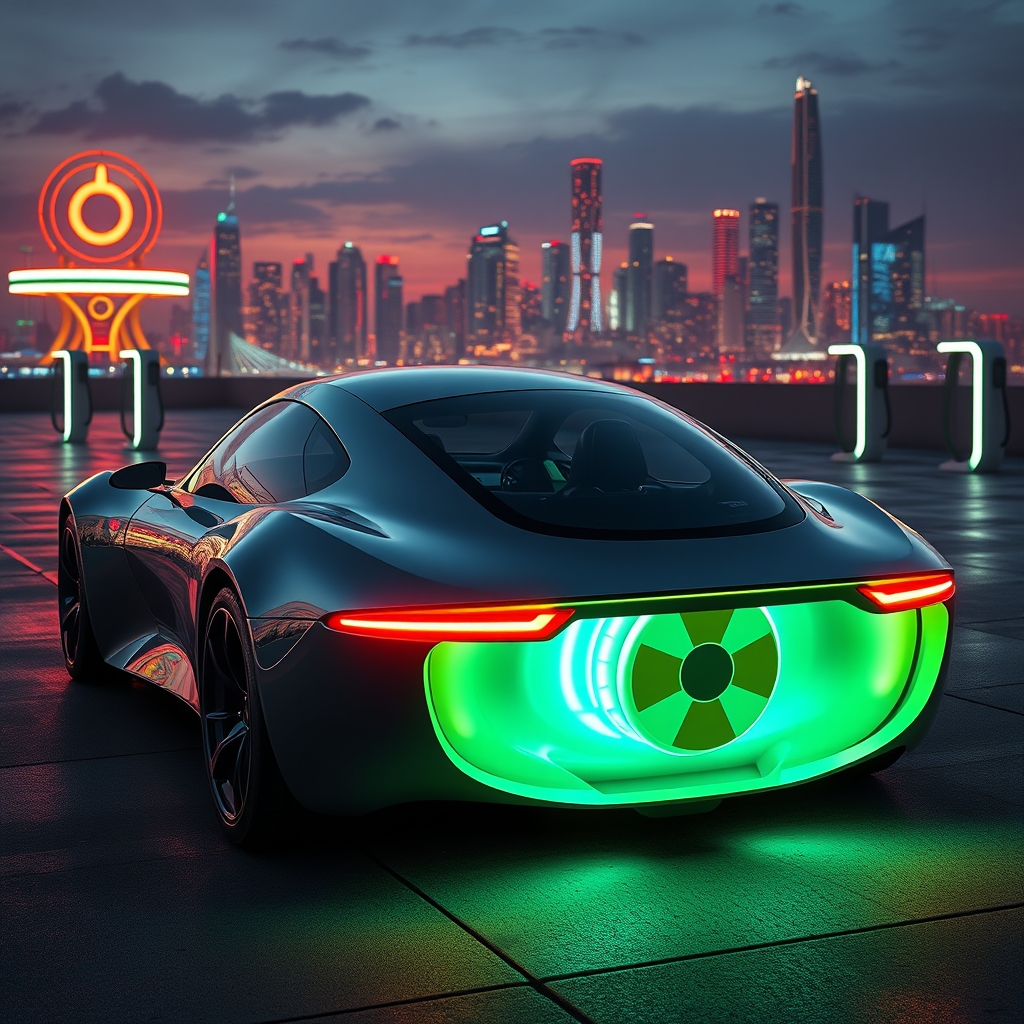
The idea of a car powered by nuclear energy might sound like something straight out of a sci-fi novel, but the concept has been explored for decades. From the 1950s Ford Nucleon concept to modern advancements in miniature nuclear reactors, the dream of a vehicle that could travel thousands of miles without refueling has captivated engineers and futurists alike. But how close are we to making nuclear-powered cars a reality, and what challenges stand in the way?
The Birth of the Atomic Automotive Dream
In 1958, Ford unveiled the Nucleon, a concept car that promised to revolutionize transportation. The vehicle was designed to be powered by a small nuclear reactor, housed in the rear, which would generate steam to drive turbines and propel the car. The Nucleon was never built, but it sparked a conversation about the potential of nuclear energy in automotive propulsion. The idea was simple: replace gasoline with uranium, and eliminate the need for frequent refueling. With a single charge, a nuclear-powered car could theoretically travel for years without stopping.
While the Ford Nucleon remained a concept, the underlying technology—nuclear fission—was already being harnessed in other applications. Submarines and aircraft carriers, for example, have relied on nuclear reactors for decades, providing them with the ability to operate for years without refueling. The question then arises: if nuclear power can propel massive naval vessels, why not cars?
The Science Behind Nuclear Automotive Propulsion
At the heart of nuclear-powered vehicles lies the concept of a Radioisotope Thermoelectric Generator (RTG) or a Small Modular Reactor (SMR). RTGs, which have been used in space exploration (e.g., the Voyager probes and Mars rovers), convert heat from radioactive decay into electricity. While RTGs are compact and reliable, they produce relatively low power, making them unsuitable for high-performance vehicles. On the other hand, SMRs are more powerful and could theoretically provide the energy needed to drive a car, but they come with significant challenges, including size, weight, and safety concerns.
Another approach is the Nuclear Electric Drive, where a small reactor generates electricity to power electric motors. This system would eliminate the need for traditional batteries, offering a nearly limitless range. However, the technology required to miniaturize nuclear reactors to fit within a car’s chassis is still in its infancy. Researchers are exploring materials like depleted uranium shielding to protect passengers from radiation, but the engineering hurdles remain substantial.
Challenges and Roadblocks
The most significant obstacle to nuclear-powered cars is safety. Nuclear reactors, even miniature ones, produce radiation, and any accident could have catastrophic consequences. Modern nuclear submarines and power plants are equipped with multiple layers of shielding and fail-safes, but replicating this level of protection in a consumer vehicle is a monumental task. Additionally, the public perception of nuclear energy—often shaped by high-profile disasters like Chernobyl and Fukushima—poses a significant barrier to widespread acceptance.
Another challenge is the regulatory landscape. Governments around the world have strict regulations governing the use of nuclear materials, and obtaining approval for a nuclear-powered car would require overcoming a labyrinth of legal and safety standards. Even if the technology were perfected, the bureaucratic hurdles could delay or derail its adoption.
Environmental and Economic Considerations
Proponents of nuclear-powered vehicles argue that they could significantly reduce greenhouse gas emissions. Unlike gasoline engines, nuclear reactors do not produce carbon dioxide during operation, making them an attractive option for a world increasingly focused on sustainability. Additionally, the long-range capabilities of nuclear-powered cars could reduce the need for frequent refueling, lowering the overall environmental impact of transportation.
However, the economic viability of nuclear-powered cars is another question. The cost of developing and manufacturing miniature nuclear reactors is prohibitively high, and the infrastructure required to support them—such as specialized refueling stations—would require massive investment. Until these costs come down, nuclear-powered cars are likely to remain a niche or experimental technology.
The Future of Nuclear Automotive Propulsion
While the dream of a nuclear-powered car remains elusive, recent advancements in nuclear technology offer glimpses of hope. Companies like TerraPower, founded by Bill Gates, are developing next-generation nuclear reactors that are smaller, safer, and more efficient than traditional designs. If these innovations can be adapted for automotive use, they could pave the way for a new era of transportation.
In the meantime, hybrid and electric vehicles continue to dominate the conversation around sustainable transportation. Yet, the allure of a car that could travel across continents without refueling—or emitting harmful pollutants—remains a powerful motivator for researchers and engineers. The road to nuclear-powered cars is long and fraught with challenges, but the potential rewards are too significant to ignore.
As we look to the future, it’s worth remembering that many technologies we take for granted today were once considered impossible. The idea of a nuclear-powered car may seem far-fetched now, but with continued innovation and perseverance, it could one day become a reality. Until then, the dream lives on, fueling the imagination of those who dare to think beyond the constraints of conventional energy.