The Synergy of Innovation: How Electric Vehicle Architecture and Wireless Charging Are Redefining Urban Mobility
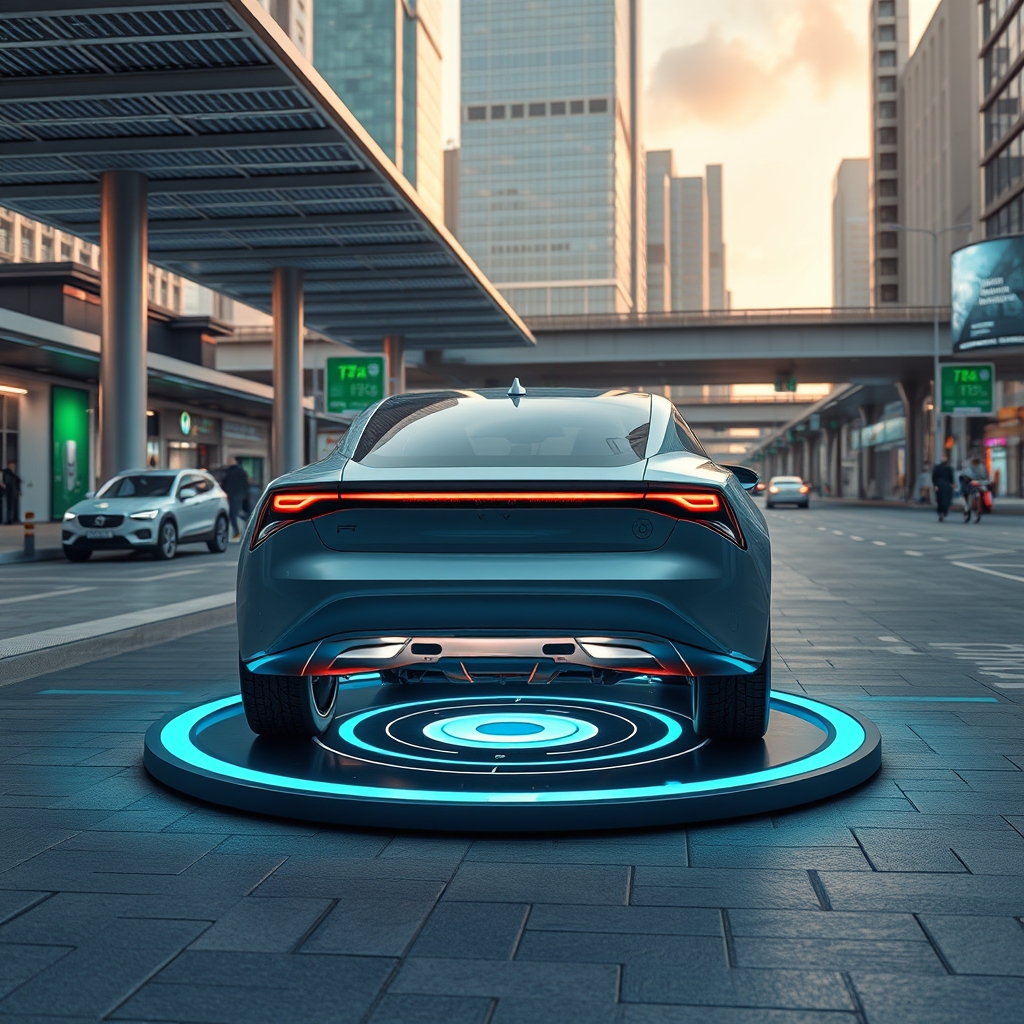
The evolution of electric vehicles (EVs) is not merely about replacing internal combustion engines with batteries. It represents a fundamental shift in how we conceptualize automotive architecture, energy distribution, and urban infrastructure. At the core of this transformation lies the seamless integration of advanced technologies that work in harmony to deliver efficiency, sustainability, and unparalleled driving experiences. Among these innovations, the interplay between modern electric vehicle architecture and wireless charging stands out as a game-changer, promising to redefine the way we power and interact with our vehicles.
The Foundation: Electric Vehicle Architecture
Electric vehicle architecture is the backbone that supports the entire ecosystem of an EV. Unlike traditional vehicles, where the engine, transmission, and drivetrain dictate the design, EVs offer a blank canvas for engineers to reimagine the layout. The absence of a bulky internal combustion engine allows for greater flexibility in vehicle design, enabling manufacturers to optimize space, weight distribution, and aerodynamics.
Central to this architecture is the Electric Drive Module (EDM), which combines the electric motor, power electronics, and transmission into a single, compact unit. This modular approach not only simplifies manufacturing but also enhances performance by reducing energy losses and improving power delivery. Additionally, the integration of High Voltage Cabling ensures efficient power transfer between the battery, EDM, and other high-power components, minimizing resistance and maximizing range.
Another critical component is the Thermal Management System (TMS), which regulates the temperature of the battery, motor, and power electronics. Effective thermal management is essential for maintaining battery health, optimizing performance, and ensuring safety. Liquid cooling systems, phase-change materials, and advanced heat exchangers are just some of the technologies being employed to keep EVs running at peak efficiency, even under demanding conditions.
The Role of Wireless Charging in Urban Mobility
While advancements in electric vehicle architecture are transforming the way EVs are built, Wireless Vehicle Charging is revolutionizing how they are powered. Traditional plug-in charging, though effective, presents challenges in urban environments where space is limited, and convenience is paramount. Wireless charging eliminates the need for physical connectors, offering a seamless and hassle-free experience for drivers.
Wireless charging systems rely on electromagnetic induction to transfer energy from a charging pad embedded in the ground to a receiver coil installed on the vehicle. This technology is not only convenient but also paves the way for dynamic charging—where EVs can charge while driving over specially equipped roads. Imagine a future where highways are lined with wireless charging strips, allowing vehicles to recharge on the go, extending their range indefinitely. This vision is not far-fetched; pilot projects in cities like Oslo and Detroit are already testing the feasibility of such systems.
The integration of wireless charging with Smart Charging Infrastructure further enhances its potential. By leveraging artificial intelligence and real-time data, smart charging systems can optimize energy distribution, reduce peak load on the grid, and even enable Vehicle-to-Grid (V2G) Technology. V2G allows EVs to not only draw power from the grid but also feed excess energy back into it, turning vehicles into mobile energy storage units that support grid stability and renewable energy integration.
Overcoming Challenges: Safety and Standardization
Despite its promise, wireless charging faces several challenges that must be addressed before widespread adoption. Safety is a primary concern, as high-power electromagnetic fields can pose risks to pedestrians, animals, and other electronic devices. To mitigate these risks, manufacturers are developing shielding technologies and implementing strict safety protocols to ensure that wireless charging systems operate within safe limits.
Standardization is another critical hurdle. With multiple manufacturers developing their own wireless charging solutions, there is a risk of fragmentation in the market. Industry-wide standards, such as those being developed by the Society of Automotive Engineers (SAE) and the International Electrotechnical Commission (IEC), are essential to ensure compatibility and interoperability across different vehicles and charging infrastructure. These standards will also help drive down costs, making wireless charging more accessible to consumers.
The Future: A Connected Ecosystem
The synergy between electric vehicle architecture and wireless charging is just the beginning. As these technologies mature, they will form the foundation of a connected ecosystem where vehicles, infrastructure, and energy grids communicate seamlessly. For instance, Advanced Driver Assistance Systems (ADAS) and Autonomous Driving Hardware will leverage real-time data from wireless charging networks to optimize routes, reduce energy consumption, and enhance safety.
Moreover, the integration of Digital Instrument Clusters and Automotive Sensor Networks will provide drivers with real-time feedback on charging status, energy efficiency, and vehicle health. These systems will not only improve the driving experience but also empower consumers to make informed decisions about their energy usage, further accelerating the transition to sustainable mobility.
As cities grow and urbanization intensifies, the demand for efficient, sustainable, and convenient transportation solutions will only increase. The fusion of cutting-edge electric vehicle architecture with wireless charging technology offers a glimpse into a future where mobility is not just electric but also intelligent, interconnected, and effortlessly integrated into our daily lives. The road ahead is charged with possibility, and the innovations driving this transformation are already reshaping the way we move, live, and interact with the world around us.