The Synergistic Power of Modern Fuel Additives: Enhancing Performance While Reducing Environmental Footprints
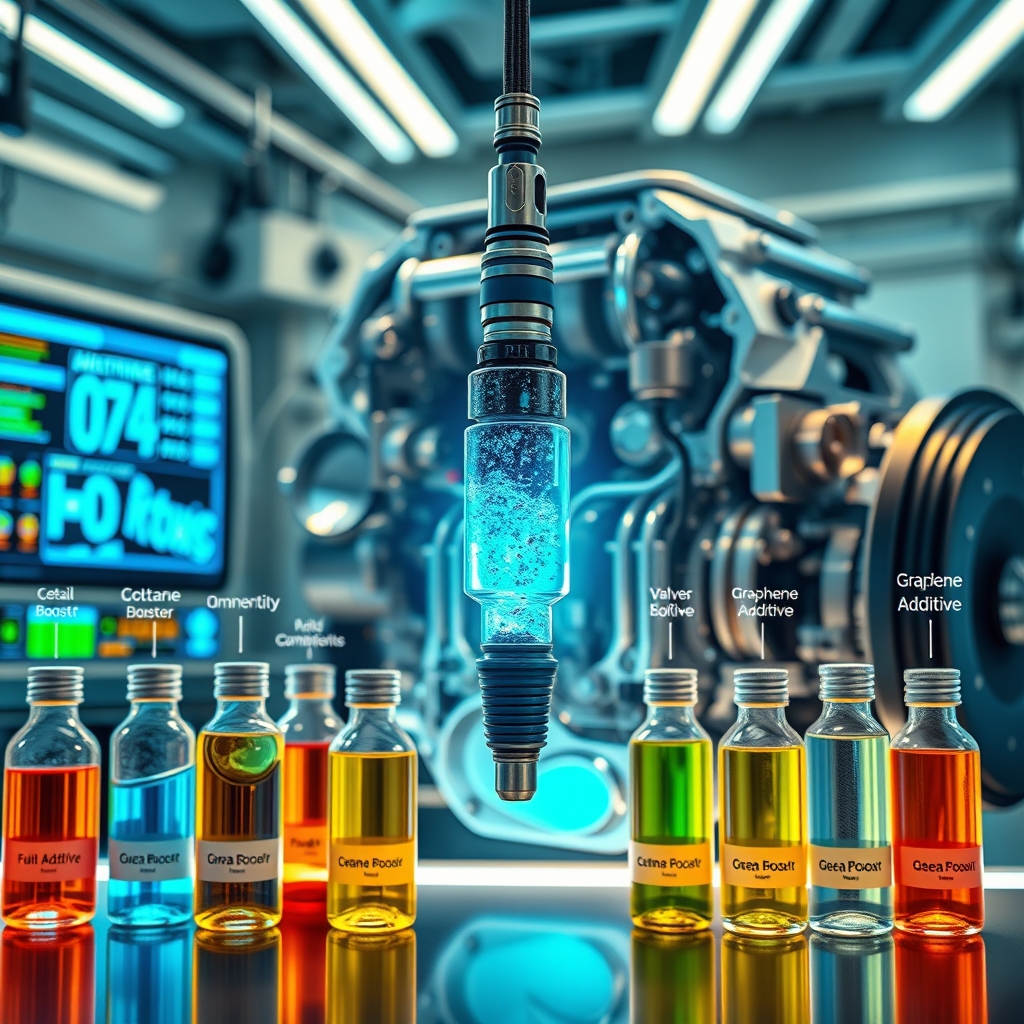
In the ever-evolving landscape of automotive technology, fuel additives have emerged as unsung heroes, working silently to optimize engine performance, extend longevity, and reduce harmful emissions. These chemical formulations, often overlooked by the average driver, play a pivotal role in maintaining the delicate balance between power, efficiency, and environmental responsibility. As engines become more sophisticated and emission regulations grow stricter, the demand for advanced fuel additives has never been greater. This article delves into the synergistic effects of modern fuel additives, exploring how they enhance combustion, clean critical components, and contribute to a more sustainable future.
The Multifaceted Role of Fuel Additives
Fuel additives are not a one-size-fits-all solution; they are meticulously engineered to address specific challenges within an engine’s ecosystem. From gasoline to diesel engines, each type of additive serves a unique purpose, whether it’s cleaning fuel injectors, boosting octane or cetane levels, or preventing gelling in cold temperatures. The most effective additives work in harmony, combining multiple benefits into a single, powerful formulation. For instance, a high-quality fuel system cleaner may incorporate polyetheramine cleaners to dissolve carbon deposits while also including friction modifiers to reduce wear on moving parts. This multifaceted approach ensures that engines operate at peak efficiency, delivering better fuel economy and reduced emissions.
Combating Carbon Deposits: The Silent Engine Killers
Carbon deposits are one of the most pervasive issues plaguing modern engines, particularly those with direct injection systems. Over time, these deposits accumulate on fuel injectors, intake valves, and combustion chambers, disrupting airflow and fuel delivery. The result is a gradual decline in performance, increased fuel consumption, and higher emissions. Carbon deposit removers and direct injection detergents are specifically designed to tackle this problem. These additives contain potent detergents that break down and remove stubborn carbon buildup, restoring optimal engine function. For diesel engines, cetane improvers not only enhance combustion efficiency but also help prevent the formation of deposits, ensuring smoother operation and longer engine life.
Boosting Performance with Octane and Cetane Enhancers
Octane and cetane ratings are critical factors in engine performance, influencing how efficiently fuel burns within the combustion chamber. Octane boosters are essential for high-performance gasoline engines, preventing knocking and enabling higher compression ratios for increased power output. Conversely, cetane improvers are vital for diesel engines, reducing ignition delay and improving cold-start performance. These additives don’t just enhance power; they also contribute to cleaner combustion, reducing the formation of harmful pollutants like nitrogen oxides (NOx) and particulate matter. For drivers seeking both performance and environmental benefits, these enhancers are a game-changer.
The Rise of Eco-Friendly and Bio-Based Additives
As the world shifts toward sustainability, the fuel additive industry is embracing eco-friendly innovations. Bio cetane boosters and oxygenated fuel additives derived from renewable sources are gaining traction, offering a greener alternative to traditional petroleum-based products. These additives not only improve combustion efficiency but also reduce greenhouse gas emissions and dependence on fossil fuels. Graphene fuel additives, for example, leverage the remarkable properties of graphene to enhance fuel lubricity, reduce friction, and improve thermal conductivity. The result is a more efficient engine that produces fewer emissions and consumes less fuel. Similarly, glycerol derivative additives are being explored for their potential to improve fuel stability and reduce harmful emissions, marking a significant step toward a more sustainable automotive future.
Protecting Engines in Extreme Conditions
Engines face unique challenges in extreme temperatures, whether it’s the scorching heat of summer or the freezing cold of winter. Diesel anti-gel additives are essential for preventing fuel from thickening in cold weather, ensuring smooth starts and uninterrupted performance. On the other end of the spectrum, fuel stabilizers protect gasoline from degradation during prolonged storage, preventing the formation of gum and varnish that can clog fuel systems. For drivers in harsh climates, these additives are not just beneficial—they’re a necessity. By maintaining fuel quality and preventing engine damage, they help extend the life of vehicles and reduce the need for costly repairs.
The Future of Fuel Additives: Innovation and Integration
The next frontier in fuel additive technology lies in smart formulations that adapt to real-time engine conditions. Emerging additives are being designed to interact with engine control units (ECUs), optimizing fuel delivery and combustion on the fly. Synthetic fuel additives, for instance, are engineered at the molecular level to provide precise benefits, such as improved lubricity or enhanced detergency. Meanwhile, emissions reduction additives are becoming increasingly sophisticated, targeting specific pollutants like sulfur oxides (SOx) and particulate matter. As engines evolve, so too will the additives that keep them running smoothly, ensuring that performance and sustainability go hand in hand.
The journey toward cleaner, more efficient engines is paved with innovation, and fuel additives are at the forefront of this revolution. By addressing the unique challenges of modern engines—whether it’s carbon buildup, cold-weather performance, or emissions compliance—these chemical formulations are redefining what it means to drive responsibly. As technology advances, the synergy between performance and sustainability will only grow stronger, offering drivers a way to enjoy the power of their vehicles while minimizing their environmental impact. The road ahead is not just about getting from point A to point B; it’s about doing so with greater efficiency, reduced emissions, and a commitment to a greener future.