The Invisible Powerhouse: How Advanced Fuel Additives Are Redefining Engine Performance and Emissions
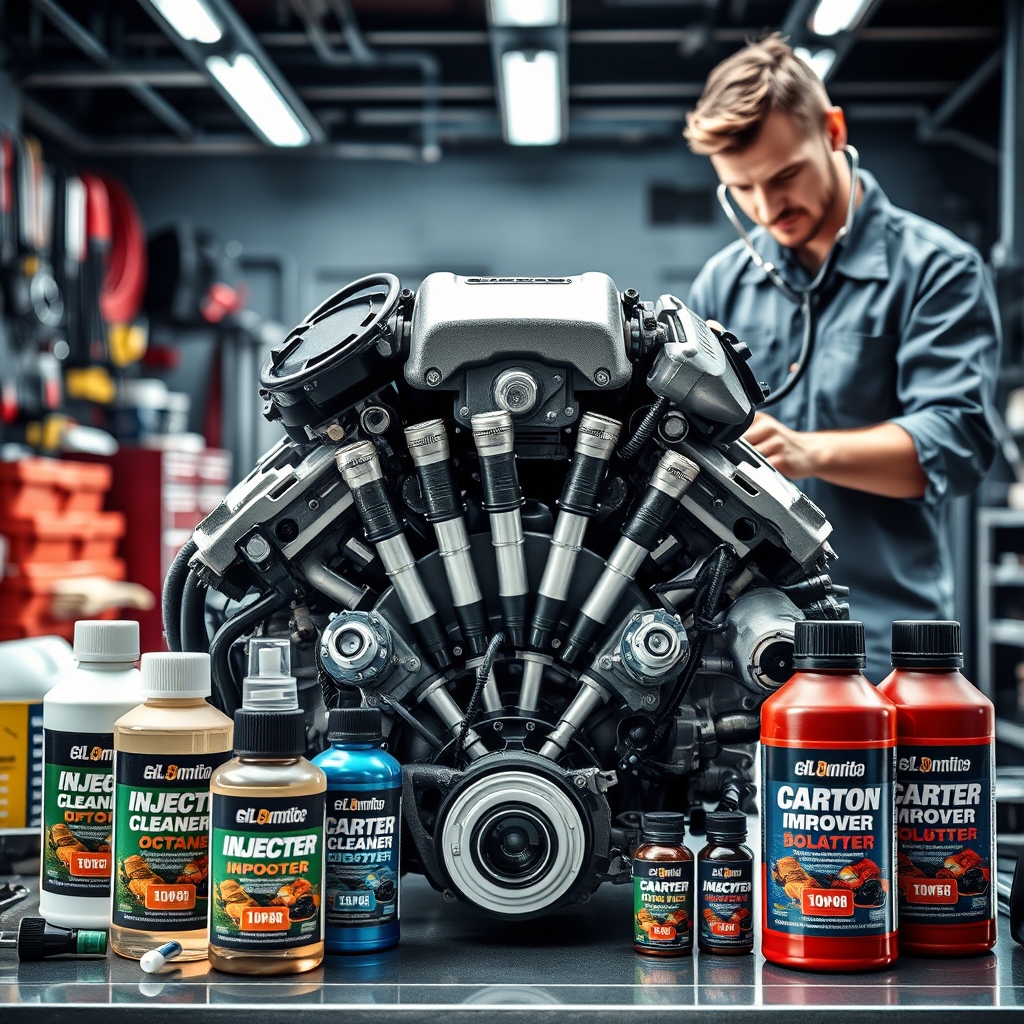
In the realm of automotive engineering, the quest for enhanced performance, improved fuel efficiency, and reduced emissions is an ongoing journey. At the heart of this pursuit lies a silent, yet powerful, ally: fuel additives. These unassuming liquids, when added to your fuel tank, can work wonders for your engine, often in ways that are invisible to the naked eye. In this article, we delve into the world of advanced fuel additives, exploring their benefits, mechanisms, and the transformative impact they have on modern engines.
The Role of Fuel Additives
Fuel additives are not just simple cleaners or boosters; they are sophisticated chemical formulations designed to address specific engine issues. They can improve combustion efficiency, reduce carbon deposits, enhance fuel stability, and even modify the fuel’s properties to better suit the engine’s needs. This section will explore the various types of fuel additives and their unique roles.
Fuel Injector Cleaners
Fuel injector cleaners are a staple in the world of fuel additives. They are designed to dissolve and remove carbon deposits that form inside fuel injectors. These deposits can cause poor fuel atomization, leading to incomplete combustion and reduced engine performance. Fuel injector cleaners often contain solvents that break down these deposits, restoring the injectors’ functionality and improving fuel efficiency.
Octane Boosters and Cetane Improvers
Octane boosters and cetane improvers are crucial for engines that require high-octane or high-cetane fuels. Octane boosters increase the octane rating of gasoline, allowing it to withstand the higher compression ratios of modern engines without detonating. Similarly, cetane improvers enhance the cetane number of diesel fuel, promoting better ignition and combustion. These additives are essential for maintaining engine performance and preventing knock or pre-ignition.
Carbon Deposit Removers
Carbon deposit removers are another critical category of fuel additives. They are designed to break down and remove carbon deposits that accumulate in the combustion chamber, exhaust system, and other parts of the engine. These deposits can lead to reduced engine performance, increased emissions, and even engine failure. Carbon deposit removers often contain powerful detergents and solvents that dissolve these deposits, restoring the engine’s efficiency and longevity.
Fuel Stabilizers
Fuel stabilizers are essential for preventing fuel degradation. They help to stabilize gasoline and diesel fuels, preventing the formation of gum, varnish, and other harmful byproducts. Fuel stabilizers can extend the shelf life of your fuel, ensuring that it remains in optimal condition for longer periods. This is particularly important for diesel fuels, which can degrade quickly if not properly stabilized.
Graphene Fuel Additives
Graphene, a single layer of carbon atoms arranged in a hexagonal lattice, is a revolutionary material with numerous potential applications. In the world of fuel additives, graphene-based additives are gaining traction for their unique properties. Graphene can enhance the thermal conductivity of fuels, improve combustion efficiency, and even reduce emissions. These additives are still in the research and development phase, but they hold great promise for the future of fuel technology.
Oxygenated Fuel Additives
Oxygenated fuel additives are designed to introduce oxygen into the fuel, promoting more complete combustion and reducing emissions. These additives can be particularly beneficial for engines that struggle with cold starts or have high emissions. They can improve the fuel’s volatility, enhance its combustion characteristics, and even reduce the formation of harmful byproducts.
Glycerol Derivative Additives
Glycerol derivative additives are a type of oxygenated fuel additive that is derived from glycerol, a byproduct of the biodiesel production process. These additives can improve the fuel’s lubricity, reduce emissions, and even enhance the engine’s cold-start performance. They are a sustainable and eco-friendly option for improving fuel quality.
Friction Modifiers
Friction modifiers are designed to reduce the friction between moving parts in the engine. They can improve the engine’s overall efficiency, reduce wear and tear, and even enhance performance. Friction modifiers can be particularly beneficial for high-performance engines, where reducing friction can lead to significant gains in power and efficiency.
Diesel Anti-Gel
Diesel anti-gel additives are essential for preventing the formation of gel in diesel fuels. Gel can form due to the presence of paraffins and other hydrocarbons, leading to clogged fuel filters, poor engine performance, and even engine failure. Diesel anti-gel additives can prevent the formation of gel, ensuring that the fuel remains in optimal condition for longer periods.
Eco-Friendly Fuel Additives
Eco-friendly fuel additives are designed to improve fuel quality and engine performance while minimizing their environmental impact. These additives can be derived from renewable sources, such as plants or algae, and they often have low toxicity and biodegradability. They are an excellent option for environmentally conscious consumers who want to improve their fuel’s quality without harming the planet.
Bio Cetane Boosters
Bio cetane boosters are a type of cetane improver that is derived from renewable sources, such as plants or algae. These additives can enhance the cetane number of diesel fuel, promoting better ignition and combustion. They are a sustainable and eco-friendly option for improving diesel fuel quality.
Polyetheramine Cleaners
Polyetheramine cleaners are a type of fuel additive that is designed to clean and protect the engine’s fuel system. They can dissolve carbon deposits, remove varnish and sludge, and even prevent the formation of new deposits. Polyetheramine cleaners are a powerful and effective option for maintaining the engine’s fuel system in optimal condition.
Direct Injection Detergents
Direct injection detergents are designed to clean and protect the engine’s direct injection system. They can dissolve carbon deposits, remove varnish and sludge, and even prevent the formation of new deposits. Direct injection detergents are a powerful and effective option for maintaining the engine’s direct injection system in optimal condition.
Fuel System Cleaners
Fuel system cleaners are designed to clean and protect the engine’s fuel system. They can dissolve carbon deposits, remove varnish and sludge, and even prevent the formation of new deposits. Fuel system cleaners are a powerful and effective option for maintaining the engine’s fuel system in optimal condition.
Synthetic Fuel Additives
Synthetic fuel additives are designed to improve the quality of synthetic fuels, such as those derived from coal, natural gas, or biomass. They can enhance the fuel’s combustion characteristics, reduce emissions, and even improve the engine’s performance. Synthetic fuel additives are an excellent option for consumers who want to take advantage of the benefits of synthetic fuels.
Engine Performance Boosters
Engine performance boosters are designed to enhance the engine’s performance, whether it’s power, torque, or fuel efficiency. They can improve the fuel’s combustion characteristics, reduce emissions, and even enhance the engine’s cold-start performance. Engine performance boosters are a powerful and effective option for consumers who want to get the most out of their engine.
Gasoline Detergent Packages
Gasoline detergent packages are designed to clean and protect the engine’s fuel system, particularly the gasoline engine. They can dissolve carbon deposits, remove varnish and sludge, and even prevent the formation of new deposits. Gasoline detergent packages are a powerful and effective option for maintaining the engine’s fuel system in optimal condition.
Ethanol Fuel Treatments
Ethanol fuel treatments are designed to improve the quality of ethanol-based fuels, such as E10, E15, or E85. They can enhance the fuel’s combustion characteristics, reduce emissions, and even improve the engine’s cold-start performance. Ethanol fuel treatments are an excellent option for consumers who want to take advantage of the benefits of ethanol-based fuels.
Emissions Reduction Additives
Emissions reduction additives are designed to reduce the engine’s emissions, whether it’s CO2, NOx, or particulate matter. They can improve the fuel’s combustion characteristics, enhance the engine’s cold-start performance, and even reduce the formation of harmful byproducts. Emissions reduction additives are a powerful and effective option for consumers who want to reduce their engine’s environmental impact.
In conclusion, advanced fuel additives are a powerful and versatile tool for improving engine performance, fuel efficiency, and emissions. They can address a wide range of engine issues, from carbon deposits to poor combustion, and they can be tailored to meet the specific needs of different engines and fuels. As the automotive industry continues to evolve, fuel additives will play an increasingly important role in shaping the future of engine technology. So, the next time you fill up your gas tank, consider adding a high-quality fuel additive to your fuel. You might just be giving your engine the boost it needs to perform at its best.