The Engine’s Digital Alchemy: Unveiling the Future of Fuel Efficiency
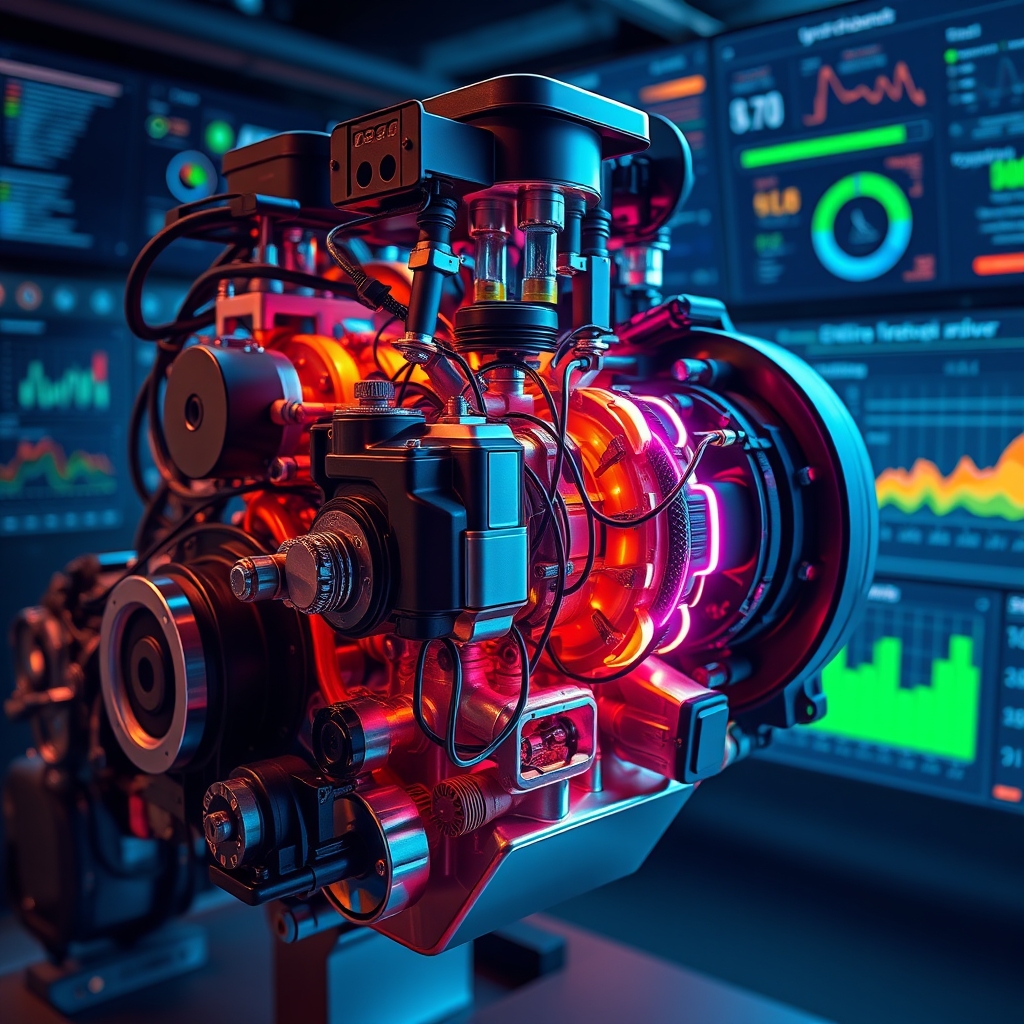
In the ever-evolving landscape of automotive technology, the engine remains the heart of the vehicle, and its efficiency is paramount. The quest for enhanced fuel efficiency, coupled with the need for sustainable and eco-conscious operation, has led to the advent of advanced technologies that are revolutionizing the way we perceive and interact with engines. Among these, the integration of real-time fuel monitoring, predictive engine performance, and adaptive fuel injection systems stands out as a game-changer.
Real-Time Fuel Monitoring: The Engine’s Digital Nervous System
The modern engine is no longer a mere mechanical device but a complex network of sensors and actuators, constantly communicating and adapting to the environment. Real-time fuel monitoring systems act as the engine’s digital nervous system, providing a continuous stream of data that enables precise control and optimization. These systems monitor various parameters, including fuel flow rate, pressure, temperature, and composition, ensuring that the engine operates within optimal parameters at all times.
Predictive Engine Performance: Anticipating the Future
Predictive engine performance takes the concept of real-time monitoring a step further by leveraging advanced analytics and machine learning algorithms to anticipate potential issues and optimize performance. By analyzing historical data and current operating conditions, these systems can predict maintenance needs, identify inefficiencies, and suggest optimal settings for fuel injection and combustion. This proactive approach not only enhances efficiency but also extends the engine’s lifespan, reducing downtime and maintenance costs.
Adaptive Fuel Injection: The Art of Precision Tuning
Adaptive fuel injection systems are at the heart of modern engine efficiency, dynamically adjusting fuel delivery to meet the engine’s needs in real-time. These systems use a combination of sensors, actuators, and control algorithms to ensure that the right amount of fuel is delivered at the right time and in the right proportion. By continuously monitoring and adapting to changes in engine load, speed, and environmental conditions, adaptive fuel injection systems maximize combustion efficiency and minimize emissions.
Data-Driven Fuel Analytics: Unlocking Hidden Insights
The wealth of data generated by real-time fuel monitoring and predictive engine performance systems is a treasure trove of insights waiting to be unlocked. Data-driven fuel analytics leverages advanced analytics and visualization tools to transform raw data into actionable intelligence. By identifying patterns, trends, and anomalies, these systems enable engineers and operators to make informed decisions, optimize engine performance, and reduce fuel consumption. Furthermore, data-driven fuel analytics can be used to identify opportunities for further optimization, such as the integration of alternative fuels or the implementation of more efficient combustion strategies.
Sustainable Fuel Integration: The Path to a Greener Future
The integration of sustainable fuels, such as biofuels, synthetic fuels, and hydrogen, is another key aspect of the future of engine efficiency. These fuels offer the potential to reduce greenhouse gas emissions, improve energy security, and promote sustainability. However, their integration into the existing fuel infrastructure requires careful consideration and the development of compatible technologies. Real-time fuel monitoring, predictive engine performance, and adaptive fuel injection systems play a crucial role in ensuring the safe and efficient operation of engines fueled by sustainable alternatives.
In conclusion, the future of engine efficiency lies in the seamless integration of real-time fuel monitoring, predictive engine performance, adaptive fuel injection, and data-driven fuel analytics. These technologies not only enhance efficiency and performance but also pave the way for a more sustainable and eco-conscious future. As we continue to push the boundaries of what is possible, the engine will undoubtedly evolve, becoming a more intelligent, adaptive, and efficient machine, ultimately transforming the way we power our world.