The Hidden Heroes of Clean Transport: How Gaseous Fuel Innovations Are Quietly Shaping Our Roads
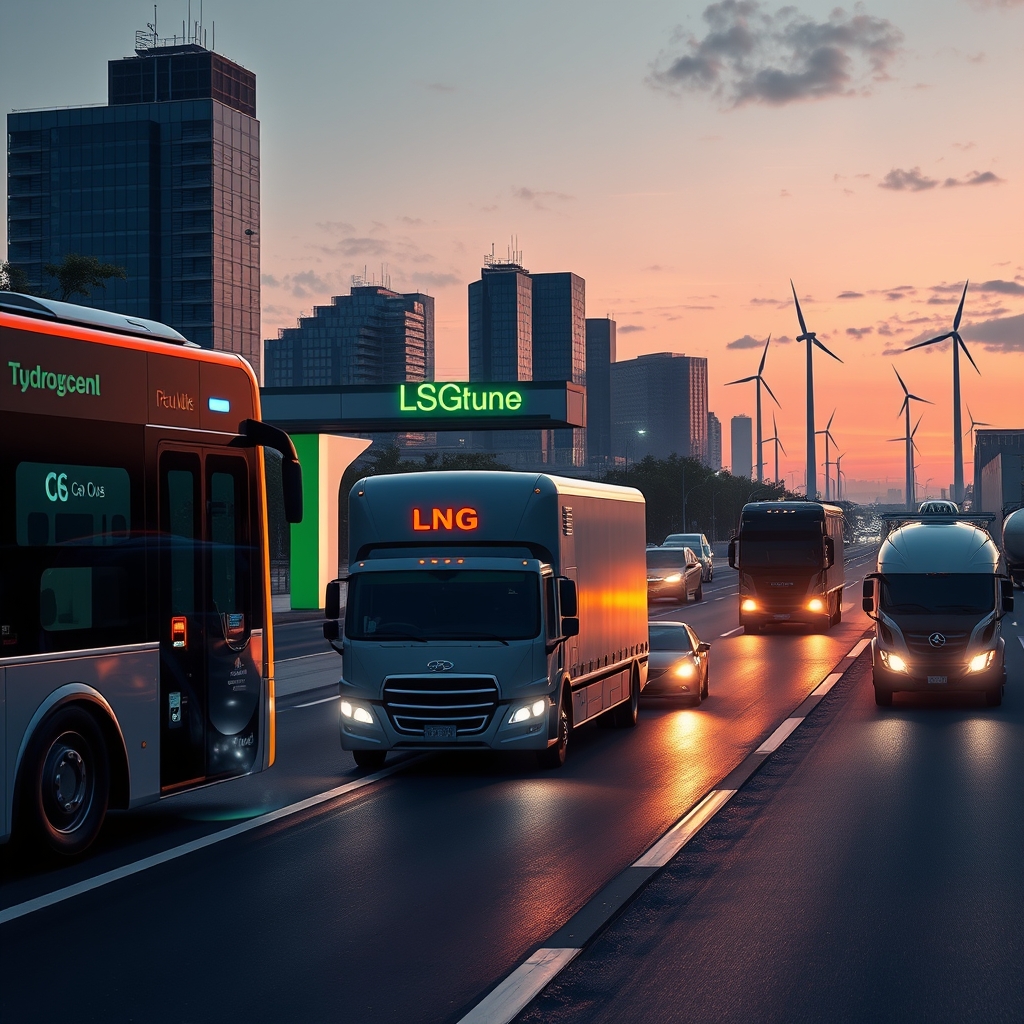
The world of transportation is undergoing a silent transformation, one where the roar of traditional engines is being replaced by the quiet efficiency of gaseous fuels. While electric vehicles dominate headlines, a parallel revolution is unfolding—one powered by Compressed Natural Gas (CNG), Liquefied Petroleum Gas (LPG), hydrogen fuel cells, and other alternative energy sources. These fuels are not just alternatives; they are the unsung heroes of sustainable mobility, offering a bridge between today’s fossil fuel dependency and a greener tomorrow.
The Rise of Gaseous Fuels: A Global Shift
Gaseous fuels have been around for decades, but recent advancements in technology and infrastructure have propelled them into the spotlight. Countries like India, Italy, and Brazil have already embraced CNG conversion kits and LPG Autogas as cost-effective solutions for reducing emissions in public transport and private vehicles. Unlike liquid fuels, gaseous alternatives burn cleaner, producing significantly lower levels of gaseous fuel emissions such as carbon monoxide, nitrogen oxides, and particulate matter. This makes them an attractive option for urban areas grappling with air pollution.
The adoption of these fuels is not just about environmental benefits. Economically, they offer a compelling case. Natural gas, for instance, is often cheaper than gasoline or diesel, providing immediate savings for fleet operators and individual drivers. The infrastructure for CNG and LPG is also expanding rapidly, with refueling stations becoming more accessible in cities and along major highways. This growing network is making it easier for consumers to transition to gaseous fuels without the range anxiety associated with electric vehicles.
Engineering Breakthroughs: The Heart of the Revolution
At the core of this transformation are the engineering innovations that make gaseous fuels viable for modern vehicles. Dual fuel engines, for example, allow vehicles to run on a combination of diesel and natural gas, optimizing performance while reducing emissions. These engines are particularly popular in heavy-duty applications, such as trucks and buses, where the demand for power is high, but the need for sustainability is equally pressing.
Another game-changer is the direct injection gas engine, which delivers fuel directly into the combustion chamber, improving efficiency and power output. This technology is a far cry from the early conversions that often resulted in reduced performance. Today’s systems are sophisticated, with gas fuel injection systems that ensure precise fuel delivery, maximizing both power and fuel economy. For drivers, this means no compromise—just a cleaner, more efficient ride.
The storage of gaseous fuels has also seen remarkable advancements. High-pressure gas tanks and cryogenic fuel storage systems have made it possible to store larger quantities of fuel without sacrificing safety or vehicle space. These innovations are critical for long-haul transport, where range and reliability are non-negotiable. Meanwhile, liquefied gas vaporizers ensure that fuels like Liquefied Natural Gas (LNG) are efficiently converted from liquid to gas, ready for combustion.
The Hydrogen Horizon: A Glimpse into the Future
While CNG and LPG are making waves today, the future of gaseous fuels may well belong to hydrogen. Hydrogen fuel cell vehicles (FCVs) are already on the roads, emitting nothing but water vapor. However, the real breakthrough lies in green hydrogen infrastructure, which uses renewable energy to produce hydrogen through electrolysis. This process eliminates the carbon footprint associated with traditional hydrogen production, making it a truly sustainable option.
For those not ready to embrace fuel cells, hydrogen internal combustion engines offer a middle ground. These engines burn hydrogen directly, producing power with minimal emissions. While they are still in the early stages of development, they hold promise for industries that require high-energy outputs, such as shipping and aviation. The challenge, however, remains in scaling up production and distribution to make hydrogen as accessible as CNG or LPG.
Biomethane and Synthetic Fuels: Closing the Carbon Loop
Beyond natural gas and hydrogen, biomethane fuel and synthetic natural gas (SNG) are emerging as powerful players in the gaseous fuel landscape. Biomethane is produced from organic waste, such as agricultural residues and landfill gas, making it a renewable and carbon-neutral option. When upgraded to pipeline quality, it can be injected into existing natural gas grids, providing a seamless transition to greener energy.
Synthetic natural gas, on the other hand, is created through a process called methanation, where hydrogen is combined with carbon dioxide to produce methane. This not only recycles CO2 but also creates a fuel that can be used in existing natural gas vehicles without any modifications. These innovations are particularly exciting because they offer a way to repurpose waste and emissions, turning them into valuable energy sources.
The Road Ahead: Challenges and Opportunities
Despite the progress, the widespread adoption of gaseous fuels faces hurdles. Infrastructure remains a key challenge, particularly for hydrogen and LNG, which require specialized storage and refueling facilities. Public perception is another barrier, as many consumers are still unaware of the benefits of gaseous fuels or skeptical about their performance. However, as technology advances and awareness grows, these challenges are gradually being overcome.
Governments and industries are also stepping up to support this transition. Incentives for alternative fuel vehicles, subsidies for CNG conversion kits, and investments in green hydrogen infrastructure are making it easier for businesses and individuals to make the switch. The European Union, for instance, has set ambitious targets for reducing emissions in transport, with gaseous fuels playing a central role in achieving these goals. Similarly, countries like China and the United States are ramping up their efforts to develop a robust network of refueling stations and promote the use of renewable natural gas (RNG).
The journey toward a sustainable transport system is not a sprint but a marathon. While electric vehicles may dominate the conversation, gaseous fuels are quietly proving that they have a vital role to play. From the bustling streets of Mumbai to the highways of Europe, these fuels are already making a difference, offering a cleaner, more efficient way to power our world. As technology continues to evolve and infrastructure expands, the day may not be far when the hum of a gaseous engine becomes as familiar as the roar of a gasoline-powered one, marking a new era in the way we move.