The Digital Nervous System: How Electronic Control Units and Controller Area Network Buses Are Revolutionizing Electric Vehicles
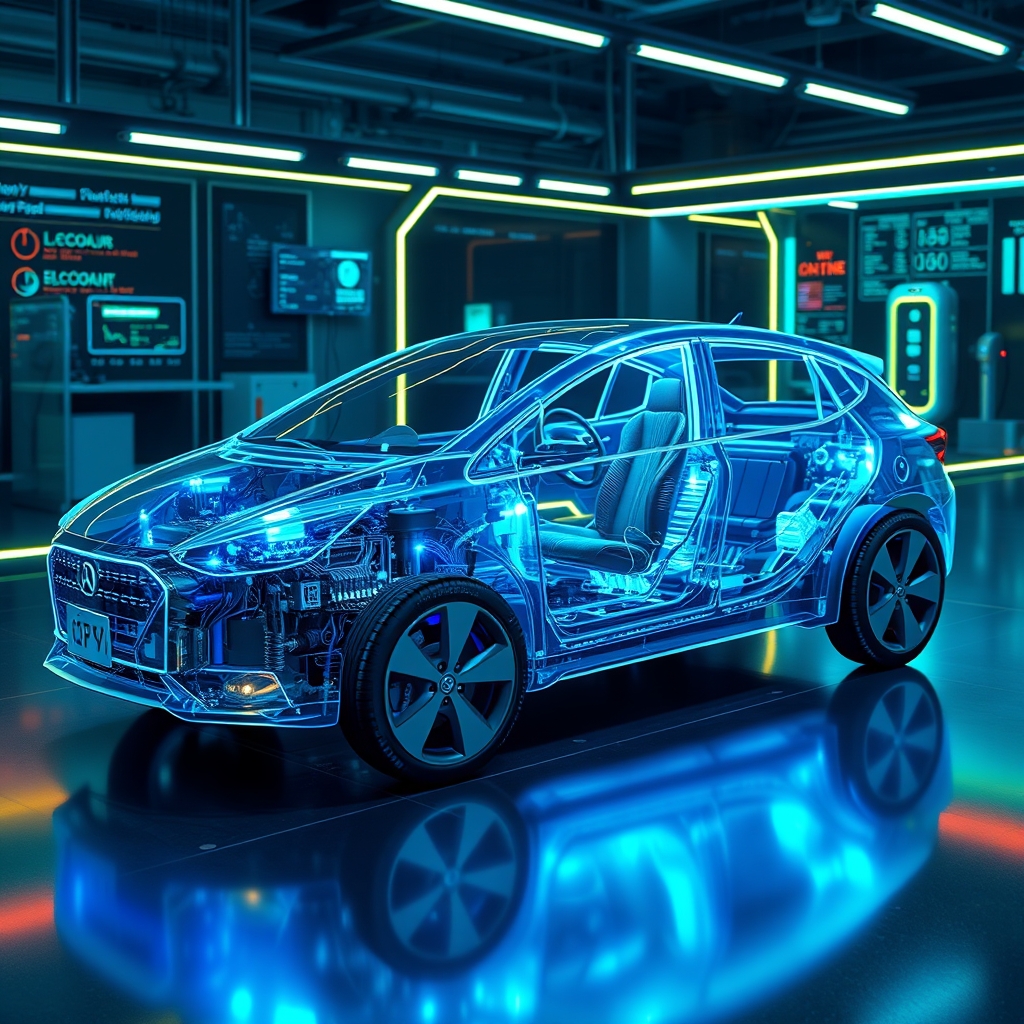
The modern electric vehicle (EV) is not just a marvel of mechanical engineering but a symphony of digital intelligence, where every component communicates seamlessly to deliver performance, efficiency, and safety. At the heart of this digital ecosystem lies the Electronic Control Unit (ECU) and the Controller Area Network (CAN) bus, two technologies that have quietly become the backbone of automotive innovation. Together, they form the nervous system of an EV, orchestrating everything from battery management to autonomous driving with precision and speed.
The Brain Behind the Brawn: Understanding Electronic Control Units
An Electronic Control Unit is essentially a specialized computer that manages a specific function within a vehicle. In traditional internal combustion engine (ICE) vehicles, ECUs control tasks like fuel injection, ignition timing, and emissions. However, in electric vehicles, their role expands dramatically. EVs rely on a network of ECUs to manage the Battery Management System (BMS), Power Inverter Module, Regenerative Braking System, and even Advanced Driver Assistance Systems (ADAS).
For instance, the BMS ECU monitors cell voltage, temperature, and state of charge, ensuring the Solid State Battery or lithium-ion pack operates within safe limits. Meanwhile, the motor control ECU regulates the Electric Drive Module, optimizing power delivery based on driver input and road conditions. This level of control is what allows EVs to achieve their impressive efficiency and responsiveness.
The CAN Bus: The High-Speed Highway of Vehicle Communication
With so many ECUs working in tandem, a robust communication network is essential. This is where the Controller Area Network (CAN) bus comes into play. Developed in the 1980s by Bosch, the CAN bus is a high-speed, fault-tolerant communication protocol that allows ECUs to exchange data in real time. Unlike traditional wiring harnesses, which require dedicated connections for each signal, the CAN bus uses a single pair of wires to transmit data between multiple ECUs, drastically reducing the complexity and weight of the Automotive Wiring Harness.
In an EV, the CAN bus enables seamless integration between critical systems. For example, when a driver engages the accelerator, the motor control ECU receives the input via the CAN bus and adjusts the Power Inverter Module to deliver the appropriate power. Simultaneously, the BMS ECU monitors the battery’s response, ensuring thermal limits are not exceeded. This real-time coordination is what makes EVs feel so responsive and intuitive to drive.
Beyond Efficiency: Enabling Advanced Features
The CAN bus is not just about efficiency; it is also a key enabler of advanced features that define modern EVs. Vehicle-to-Grid (V2G) Technology, for instance, relies on the CAN bus to communicate with the grid, allowing the vehicle to feed energy back into the network during peak demand. Similarly, Autonomous Driving Hardware depends on the CAN bus to integrate data from cameras, radar, and lidar sensors, creating a cohesive picture of the vehicle’s surroundings.
Moreover, the CAN bus plays a crucial role in Smart Charging Infrastructure. When an EV is plugged into a charging station, the CAN bus facilitates communication between the On-Board Charger and the charging network, ensuring optimal charging rates and monitoring battery health. This level of integration is what makes EVs not just vehicles, but nodes in a larger energy ecosystem.
The Future: Toward a More Connected and Intelligent EV
As EVs continue to evolve, the role of ECUs and the CAN bus will only grow in importance. The shift toward Mild Hybrid Electrical Systems and fully autonomous vehicles will demand even greater computational power and communication bandwidth. Future EVs may incorporate Automotive Ethernet alongside the CAN bus, enabling faster data transfer for high-definition sensors and over-the-air updates.
Additionally, the rise of Wireless Vehicle Charging and Digital Instrument Clusters will further expand the capabilities of the CAN bus. Imagine an EV that not only charges wirelessly but also communicates with your smart home to optimize energy usage based on your daily routine. This level of connectivity is not science fiction; it is the logical next step in the evolution of automotive technology.
Challenges and Considerations
Despite their advantages, ECUs and the CAN bus are not without challenges. The increasing complexity of vehicle systems raises concerns about cybersecurity, as a compromised ECU could potentially give hackers access to critical functions. Automakers are addressing this by implementing robust encryption and intrusion detection systems, but the cat-and-mouse game with cyber threats is likely to continue.
Another challenge is the sheer volume of data generated by modern EVs. A single vehicle can produce terabytes of data per day, from sensor readings to driver behavior. Managing this data requires advanced Thermal Management Systems to prevent overheating and ensure reliable operation. It also necessitates cloud-based analytics to process and derive insights from the data, further blurring the line between the vehicle and the digital world.
The digital transformation of the automotive industry is not just about replacing the internal combustion engine with an electric motor. It is about reimagining the vehicle as a dynamic, intelligent platform that adapts to the needs of its driver and the environment. At the core of this transformation are the ECUs and CAN bus, the unsung heroes that make it all possible. As we look to the future, their role will only become more critical, shaping not just how we drive, but how we live, work, and interact with the world around us. The road ahead is electric, and it is smarter than ever before.