The Nuclear Spark: How Advanced Atomic Vehicles Could Redefine the Boundaries of Automotive Innovation
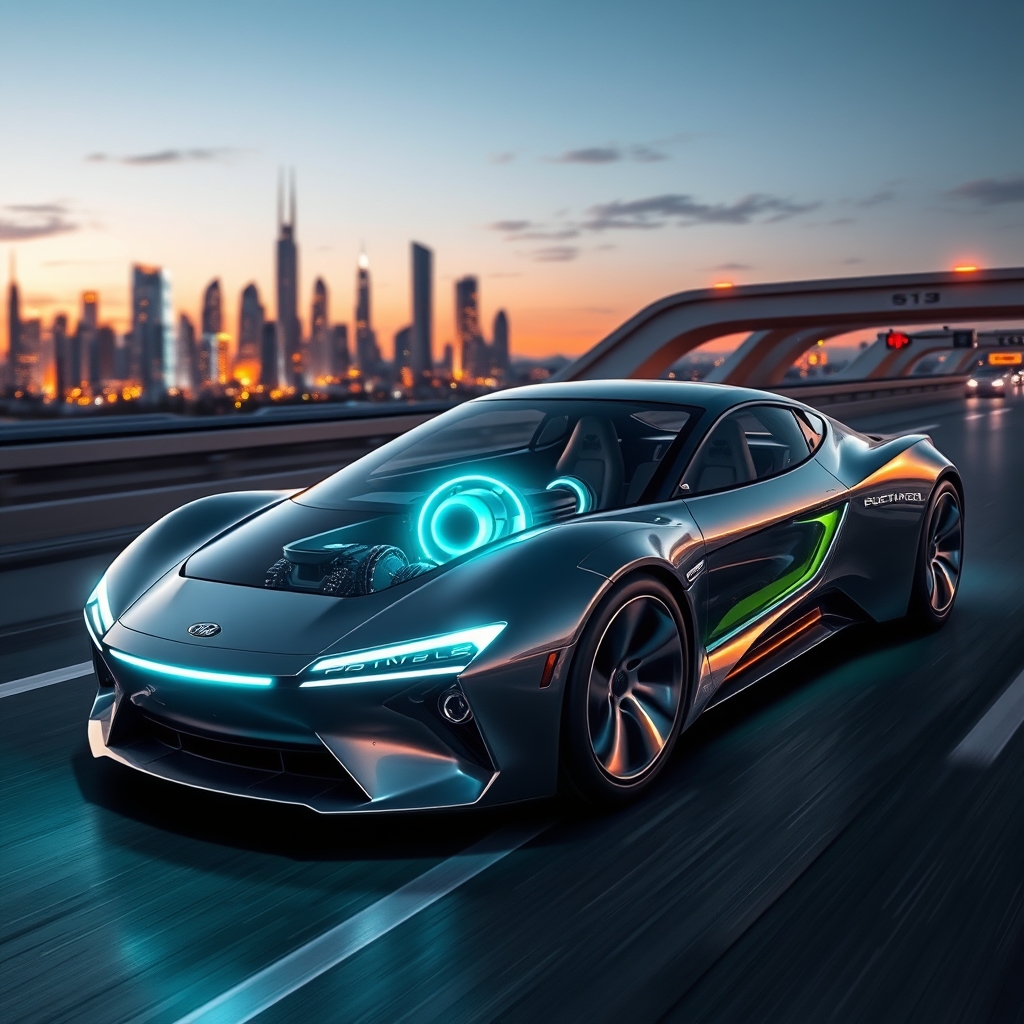
In the relentless pursuit of sustainable and high-efficiency transportation, the automotive industry has explored countless avenues—from electric batteries to hydrogen fuel cells. Yet, one of the most audacious and least understood concepts remains the nuclear-powered vehicle. While the idea may evoke images of science fiction or Cold War-era experiments, recent advancements in nuclear technology are bringing the dream of atomic-powered cars closer to reality than ever before. The potential of nuclear propulsion lies not just in its ability to eliminate refueling stops but in its promise to redefine the very limits of automotive endurance, efficiency, and environmental impact.
The Legacy of the Ford Nucleon: A Glimpse into Atomic Ambitions
The Ford Nucleon, unveiled in 1958, was a concept car that captured the imagination of an era fascinated by the possibilities of nuclear energy. Designed to be powered by a small nuclear reactor, the Nucleon was a bold vision of a future where cars could travel thousands of miles without refueling. Though the concept never progressed beyond a scale model, it laid the groundwork for a conversation that continues to this day: Could nuclear power be the key to unlocking a new era of automotive freedom?
The Nucleon’s reactor was intended to use uranium fission to generate heat, which would then be converted into mechanical energy to propel the vehicle. While the technology of the time was not advanced enough to make the concept feasible, modern innovations in miniature nuclear reactors and radioisotope power systems are revisiting these ideas with renewed vigor. The question is no longer whether nuclear-powered cars are possible, but how soon they could become a practical reality.
The Science Behind Nuclear Automotive Propulsion
At the heart of nuclear automotive propulsion are two primary technologies: radioisotope thermoelectric generators (RTGs) and small modular reactors (SMRs). RTGs, which have been used in space exploration for decades, convert heat from the decay of radioactive isotopes—such as plutonium-238—into electricity. This technology is highly reliable and can provide power for decades without maintenance, making it an attractive option for long-range vehicles. However, RTGs are limited by their relatively low power output, which may not be sufficient for high-performance or heavy-duty applications.
Small modular reactors, on the other hand, offer a more scalable solution. These compact fission reactors can generate significantly more power than RTGs and can be designed to operate in a closed-loop system, where the nuclear reaction is self-sustaining and produces minimal waste. SMRs are already being developed for use in submarines, space missions, and remote power generation, and their adaptation for automotive use could revolutionize the way we think about vehicle propulsion. The challenge lies in making these reactors small, safe, and efficient enough to fit within the confines of a car while meeting stringent safety and regulatory standards.
The Role of Depleted Uranium Shielding
One of the most significant hurdles in developing nuclear-powered vehicles is ensuring the safety of passengers and the environment. Radiation shielding is a critical component of any nuclear propulsion system, and depleted uranium (DU) has emerged as a promising material for this purpose. DU is a byproduct of the uranium enrichment process and is less radioactive than natural uranium, making it an effective and relatively safe option for shielding. Its high density allows for thinner, lighter shielding compared to traditional materials like lead, which is essential for maintaining the efficiency and performance of a nuclear-powered vehicle.
In addition to shielding, advanced safety mechanisms—such as fail-safe reactor designs and automated shutdown systems—are being developed to mitigate the risks associated with nuclear propulsion. These innovations are crucial for gaining public trust and regulatory approval, which will ultimately determine the feasibility of nuclear-powered cars on public roads.
The Environmental and Economic Case for Nuclear-Powered Cars
Proponents of nuclear-powered vehicles argue that they could offer a cleaner and more sustainable alternative to fossil fuels and even electric batteries. Unlike gasoline or diesel engines, nuclear reactors produce zero carbon emissions during operation, making them an attractive option for reducing greenhouse gas emissions. Additionally, nuclear fuel has an incredibly high energy density—one kilogram of uranium can produce as much energy as millions of kilograms of coal or oil. This means that nuclear-powered cars could travel vast distances on a single fuel load, drastically reducing the need for refueling infrastructure and minimizing the environmental impact of resource extraction.
From an economic perspective, the long-term cost savings of nuclear-powered vehicles could be substantial. While the initial development and production costs of nuclear propulsion systems are likely to be high, the reduced need for refueling and maintenance could offset these expenses over time. Furthermore, the elimination of range anxiety—a common concern with electric vehicles—could make nuclear-powered cars a compelling option for long-distance travelers, commercial fleets, and even military applications.
Challenges and Roadblocks
Despite the potential benefits, the path to nuclear-powered vehicles is fraught with challenges. Regulatory hurdles, public skepticism, and technical limitations are just a few of the obstacles that must be overcome. The nuclear industry is heavily regulated, and the approval process for a nuclear-powered vehicle would likely be lengthy and complex. Public perception of nuclear energy, often shaped by high-profile accidents like Chernobyl and Fukushima, remains a significant barrier to widespread adoption. Educating the public about the safety and benefits of modern nuclear technology will be essential for gaining acceptance.
Technical challenges also abound. Developing a nuclear reactor small enough to fit in a car while still generating sufficient power is no small feat. Ensuring the safety of such a reactor in the event of a collision or other accident is another critical concern. Additionally, the disposal of nuclear waste—a contentious issue even in large-scale nuclear power plants—would need to be addressed in a way that is both safe and sustainable.
The Future of Atomic Energy on the Road
While nuclear-powered cars may still seem like a distant dream, the rapid pace of technological advancement suggests that they could become a reality sooner than we think. Companies and research institutions around the world are investing in the development of miniature nuclear reactors, advanced shielding materials, and innovative propulsion systems. If these efforts succeed, we could see the first prototypes of nuclear-powered vehicles within the next few decades.
The implications of such a breakthrough would be profound. Nuclear-powered cars could redefine the concept of long-distance travel, making cross-country road trips effortless and eliminating the need for frequent refueling stops. They could also play a crucial role in reducing our dependence on fossil fuels and mitigating the effects of climate change. For industries like shipping, aviation, and space exploration, the development of compact nuclear propulsion systems could open up new frontiers of possibility.
As we stand on the brink of a new era in automotive technology, the dream of nuclear-powered vehicles serves as a reminder of humanity’s relentless pursuit of innovation. The road ahead is uncertain, and the challenges are formidable, but the potential rewards are too great to ignore. Whether or not atomic-powered cars become a common sight on our roads, their development will undoubtedly push the boundaries of what we believe is possible, inspiring new generations of engineers, scientists, and dreamers to imagine a future where the impossible becomes reality.