The Unseen Potential: How Closed-Loop Nuclear Propulsion Could Revolutionize Personal Transportation
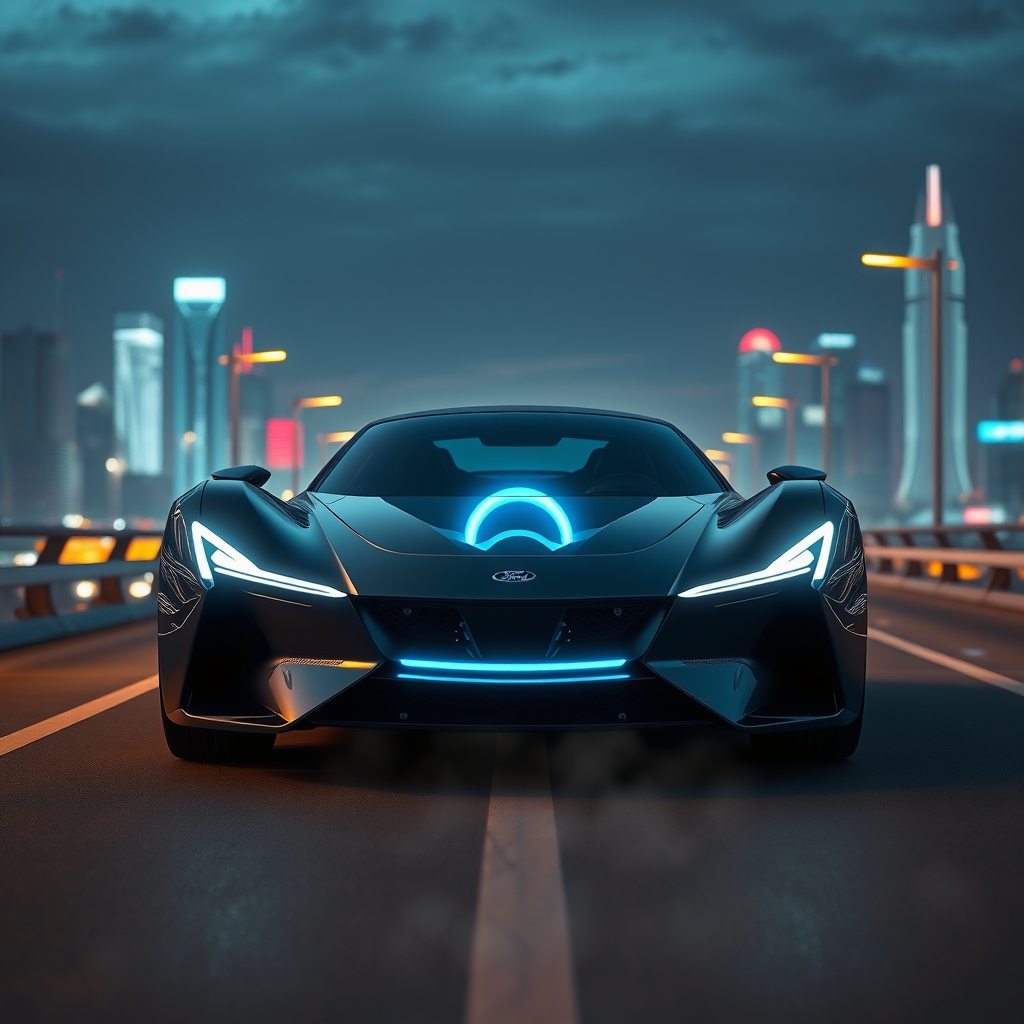
The idea of a car powered by nuclear energy might sound like science fiction, but the concept has been explored for decades, with varying degrees of seriousness and success. From the bold visions of the 1950s to the cutting-edge research of today, nuclear propulsion has always promised unparalleled endurance, efficiency, and independence from traditional fuel sources. Yet, despite its potential, the nuclear-powered vehicle remains a tantalizing “what if” in the annals of automotive history. Could closed-loop nuclear propulsion finally bridge the gap between fantasy and reality, offering a sustainable and revolutionary alternative to fossil fuels?
The Legacy of Atomic Ambition
The mid-20th century was a time of boundless optimism about the potential of nuclear energy. In 1958, Ford unveiled the Ford Nucleon Concept, a car designed to run on a small nuclear reactor located in its trunk. The vehicle was never built, but its futuristic design and bold premise captured the public imagination. The Nucleon was envisioned to travel up to 5,000 miles without refueling, a staggering range that even today’s electric vehicles struggle to match. While the concept was ultimately shelved due to safety concerns and technological limitations, it planted the seed for future exploration into nuclear automotive propulsion.
Decades later, the dream of atomic-powered vehicles persists, albeit in a more refined and realistic form. Modern advancements in small modular reactor propulsion and radioisotope thermoelectric generators (RTGs) have brought the concept closer to feasibility than ever before. These technologies, originally developed for space exploration, offer a glimpse into how nuclear energy could be harnessed for terrestrial transportation.
The Science Behind Closed-Loop Nuclear Propulsion
At the heart of the nuclear-powered vehicle lies the principle of closed-loop nuclear propulsion, a system designed to maximize efficiency while minimizing risk. Unlike traditional internal combustion engines or even electric vehicles, a closed-loop nuclear system generates power through a controlled fission reaction, where uranium or another fissile material splits to release heat. This heat is then converted into electricity via a thermoelectric generator or a steam turbine, powering the vehicle’s electric motors.
One of the most promising technologies in this space is the radioisotope power system (RPS), which uses the natural decay of radioactive isotopes like plutonium-238 to produce a steady supply of heat. This heat is converted into electricity through thermocouples, creating a reliable and long-lasting power source. While RPS systems are currently used in spacecraft, such as NASA’s Perseverance rover, their application in automobiles presents unique challenges, including scalability, safety, and regulatory hurdles.
Another avenue being explored is the use of micro nuclear reactors, which are compact enough to fit within a vehicle’s chassis. These reactors could theoretically provide enough energy to power a car for decades without refueling, while depleted uranium shielding would protect passengers from radiation. The key to making this viable lies in developing materials and designs that can contain the reaction safely and efficiently, ensuring that the benefits outweigh the risks.
Overcoming the Challenges
Despite its promise, nuclear propulsion for personal vehicles faces significant obstacles. The most obvious is safety. The public’s perception of nuclear energy is still heavily influenced by high-profile disasters like Chernobyl and Fukushima, making widespread acceptance a steep uphill battle. However, modern reactor designs, such as small modular reactors (SMRs), are inherently safer than their predecessors, with passive cooling systems and fail-safes that prevent meltdowns.
Regulatory challenges also loom large. Governments around the world have strict controls on the use and transportation of nuclear materials, and obtaining approval for a nuclear-powered vehicle would require navigating a complex web of international laws and safety standards. Additionally, the infrastructure needed to support such vehicles—such as refueling stations and maintenance facilities—would need to be developed from scratch, a process that could take years or even decades.
Cost is another major hurdle. While nuclear energy is incredibly efficient in the long run, the initial investment required to develop and deploy nuclear-powered vehicles is substantial. Research and development, safety testing, and regulatory compliance all come with hefty price tags, making it difficult for private companies to justify the expense without clear market demand.
The Environmental and Practical Advantages
If these challenges can be overcome, the benefits of nuclear-powered vehicles are undeniable. For starters, they offer virtually unlimited range. A car powered by a uranium fission engine or a radioisotope power system could travel hundreds of thousands of miles without needing to refuel, making long-distance travel more convenient and accessible than ever before. This would be particularly transformative for industries like trucking and logistics, where range and fuel efficiency are critical.
Nuclear propulsion also has the potential to drastically reduce greenhouse gas emissions. Unlike fossil fuels, nuclear energy produces no direct carbon emissions, making it a cleaner alternative for a world grappling with climate change. While the mining and enrichment of uranium do have environmental impacts, advances in recycling and waste management could mitigate these concerns over time.
Another advantage is energy independence. Countries that rely on imported oil or gas would no longer be at the mercy of geopolitical tensions or fluctuating fuel prices. Instead, they could harness their own nuclear resources to power their transportation networks, reducing vulnerability to supply chain disruptions and economic instability.
The Road Ahead
While the idea of a nuclear-powered car may still seem far-fetched, the rapid pace of technological innovation suggests that it may not remain in the realm of science fiction for much longer. Companies and research institutions are already exploring ways to miniaturize nuclear reactors, improve safety protocols, and develop new materials that can withstand the rigors of fission. If these efforts succeed, we could be on the cusp of a transportation revolution that redefines what it means to drive.
Yet, the journey from concept to reality will require more than just technological breakthroughs. It will demand a shift in public perception, a willingness to embrace the unknown, and a commitment to addressing the ethical and environmental concerns that come with nuclear energy. The road ahead is long and uncertain, but the potential rewards—unlimited range, zero emissions, and energy independence—are too significant to ignore. As we stand on the brink of a new era in automotive technology, the dream of a nuclear-powered vehicle may finally be within reach, offering a glimpse into a future where the open road is truly limitless.