The Science of Smooth: How Modern Fuel Additives Enhance Engine Performance and Longevity
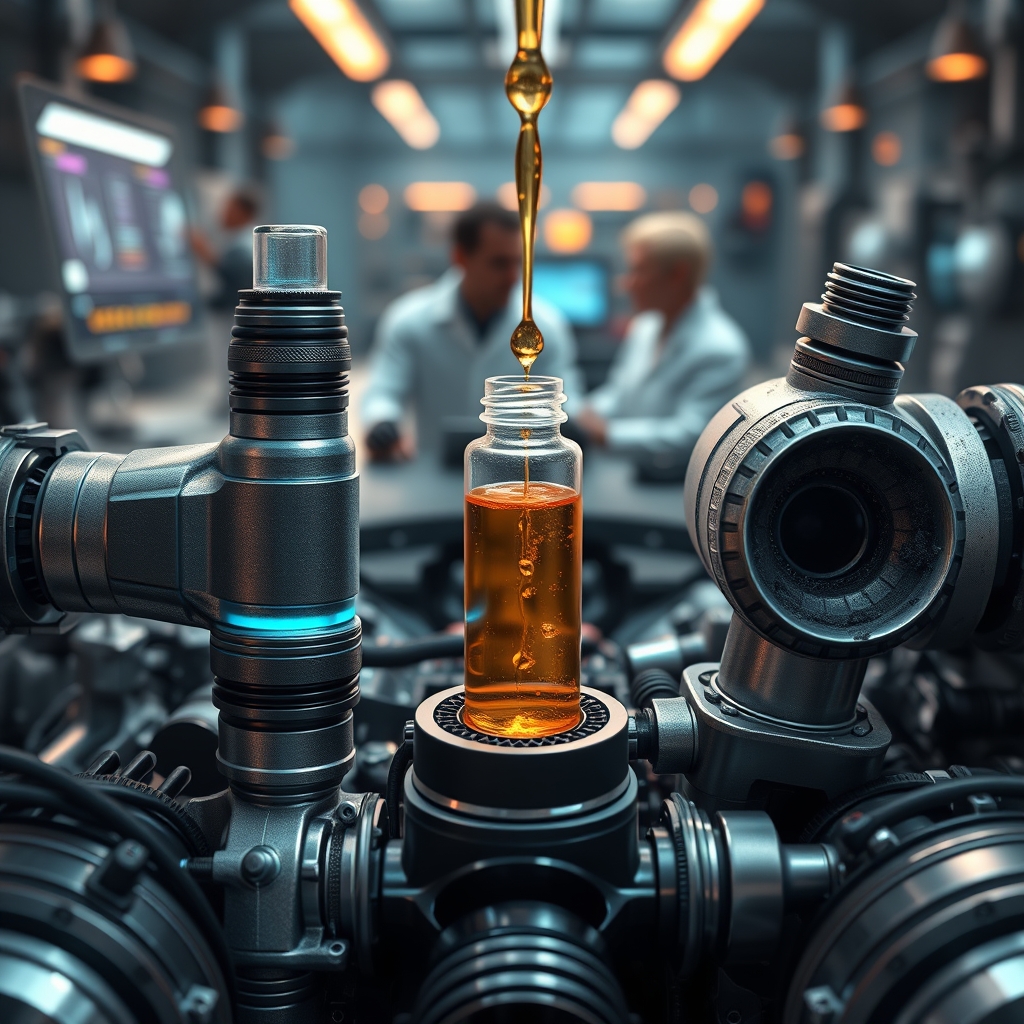
Engines are the beating heart of modern transportation, but over time, even the most robust powertrains can succumb to the silent culprits of inefficiency: carbon deposits, fuel degradation, and friction. While regular maintenance and high-quality fuel are essential, the role of advanced fuel additives in preserving and enhancing engine performance is often overlooked. These chemical formulations, designed to optimize combustion, clean critical components, and protect against wear, are quietly revolutionizing how we care for our vehicles. From daily commuters to high-performance machines, the right additive can make a tangible difference in power delivery, fuel economy, and emissions.
The Invisible Threat: Carbon Deposits and Fuel System Contamination
Carbon deposits are one of the most common yet destructive issues plaguing internal combustion engines. Over time, incomplete combustion leads to the accumulation of carbon on fuel injectors, intake valves, pistons, and combustion chambers. These deposits disrupt fuel atomization, reduce airflow, and alter the engine’s carefully calibrated air-fuel ratio. The result? Reduced power, rough idling, increased fuel consumption, and higher emissions. Direct injection engines, in particular, are highly susceptible due to their design, which bypasses the natural cleaning effect of fuel washing over intake valves in port-injected systems.
This is where polyetheramine (PEA) cleaners and direct injection detergents come into play. Unlike older detergent additives, PEA-based formulations are engineered to dissolve and remove stubborn carbon deposits without leaving harmful residues. They work by breaking the molecular bonds of carbon buildup, allowing it to be burned off during normal combustion. For drivers, this means restored throttle response, smoother acceleration, and a noticeable improvement in fuel efficiency. Regular use of these additives can prevent deposit formation in the first place, acting as a proactive measure rather than a reactive fix.
Boosting Combustion Efficiency: Octane and Cetane Improvers
Not all fuels are created equal, and sometimes, the fuel available at the pump doesn’t match the engine’s requirements. Low-octane gasoline in a high-performance engine can lead to knocking—a destructive phenomenon where fuel ignites prematurely, causing pressure spikes that damage pistons and cylinder walls. On the diesel side, low-cetane fuel results in poor ignition quality, leading to hard starts, white smoke, and increased engine noise. This is where octane boosters and cetane improvers step in, fine-tuning the fuel to match the engine’s needs.
Octane boosters, often containing compounds like methylcyclopentadienyl manganese tricarbonyl (MMT) or oxygenated additives, increase the fuel’s resistance to knocking by raising its octane rating. This allows engines to operate at higher compression ratios without the risk of pre-ignition, unlocking additional power and efficiency. For diesel engines, cetane improvers—such as 2-ethylhexyl nitrate (EHN)—shorten the ignition delay, ensuring smoother combustion and reducing harmful emissions like nitrogen oxides (NOx) and particulate matter. The result is a quieter, more responsive engine with improved cold-weather performance.
Protecting Against the Elements: Fuel Stabilizers and Anti-Gel Additives
Fuel doesn’t last forever. Over time, gasoline and diesel degrade due to oxidation and moisture absorption, leading to gum and varnish formation, which clogs fuel filters and injectors. This is particularly problematic for seasonal vehicles, such as boats, motorcycles, or classic cars, which may sit unused for months. Fuel stabilizers work by slowing down the oxidation process, preventing the formation of harmful deposits and keeping fuel fresh for up to a year or more. They often contain antioxidants and corrosion inhibitors, which protect metal components in the fuel system from rust and degradation.
For diesel engines, cold weather presents a unique challenge. As temperatures drop, the paraffin wax in diesel fuel begins to crystallize, clogging fuel filters and starving the engine of fuel. Diesel anti-gel additives lower the fuel’s cold filter plugging point (CFPP), preventing wax crystallization and ensuring reliable operation in sub-zero conditions. Some advanced formulations also include friction modifiers, which reduce wear on fuel pumps and injectors, further extending the engine’s lifespan. By addressing these seasonal challenges, fuel stabilizers and anti-gel additives ensure that engines start reliably and run smoothly, regardless of external conditions.
The Rise of Eco-Friendly and High-Tech Additives
As environmental regulations tighten and consumer demand for sustainable solutions grows, the fuel additive industry is evolving. Eco-friendly fuel additives, such as bio-cetane boosters and glycerol derivative additives, are gaining traction for their ability to reduce emissions without compromising performance. Bio-cetane boosters, derived from renewable sources like vegetable oils, enhance diesel fuel’s ignition quality while lowering greenhouse gas emissions. Similarly, glycerol derivatives—byproducts of biodiesel production—can be repurposed into fuel additives that improve lubricity and reduce friction in the fuel system.
At the cutting edge of additive technology is graphene, a single layer of carbon atoms arranged in a hexagonal lattice. Graphene-based fuel additives are being explored for their potential to reduce friction, improve thermal conductivity, and enhance fuel combustion. Early studies suggest that graphene can form a protective layer on metal surfaces, reducing wear and tear while improving fuel efficiency. While still in the experimental phase, graphene additives represent the next frontier in engine care, promising to deliver performance benefits that were once thought impossible.
Choosing the Right Additive for Your Engine
With so many fuel additives on the market, selecting the right one can feel overwhelming. The key is to match the additive to your engine’s specific needs. For gasoline engines, a fuel system cleaner with PEA detergents is ideal for removing carbon deposits, while an octane booster may be necessary for high-performance applications. Diesel engines benefit from cetane improvers and anti-gel additives, particularly in colder climates. For long-term storage, a fuel stabilizer is essential to prevent degradation, while friction modifiers can help reduce wear in high-mileage engines.
It’s also important to consider the additive’s compatibility with your vehicle. Some older engines may not respond well to certain detergents, while modern turbocharged or direct-injection engines often require specialized formulations. Always follow the manufacturer’s recommendations and opt for products that meet industry standards, such as those set by the Top Tier fuel program. By choosing the right additive and using it consistently, you can protect your engine from the inside out, ensuring it runs smoothly and efficiently for years to come.
In a world where engines are expected to deliver more power, better efficiency, and lower emissions, fuel additives have become an indispensable tool. They bridge the gap between the fuel we use and the performance we demand, addressing the hidden inefficiencies that rob engines of their potential. Whether it’s through cleaning deposits, boosting combustion efficiency, or protecting against the elements, these chemical innovations are quietly working behind the scenes to keep our engines running at their best. The next time you fill up your tank, consider what’s happening beneath the hood—and how a small bottle of additive might just make all the difference.