The Future of Electric Vehicles: Innovations Shaping Next-Gen Automotive Architecture
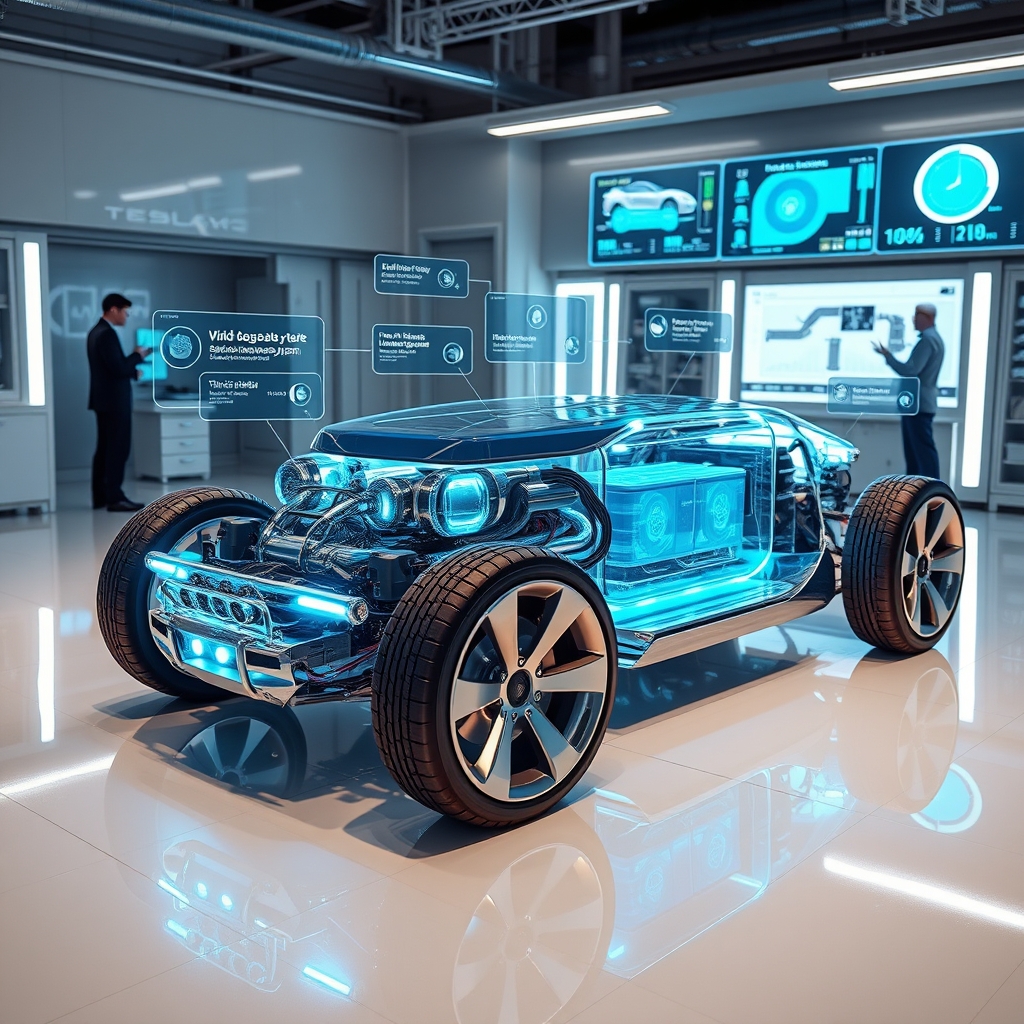
The automotive industry is undergoing a seismic shift, driven by the rapid evolution of electric vehicle (EV) technology. Gone are the days when EVs were merely an alternative to internal combustion engines; today, they represent the forefront of innovation, efficiency, and sustainability. At the heart of this transformation lies a complex ecosystem of advanced components and systems, each playing a pivotal role in redefining how we perceive and interact with vehicles. From cutting-edge battery technologies to intelligent charging solutions, the architecture of modern EVs is a testament to human ingenuity and the relentless pursuit of progress.
The Backbone: Solid State Batteries and Battery Management Systems
One of the most groundbreaking advancements in EV technology is the development of solid-state batteries. Unlike traditional lithium-ion batteries, which rely on liquid electrolytes, solid-state batteries use solid electrolytes, offering higher energy density, faster charging times, and improved safety. This innovation could potentially double the range of EVs while significantly reducing the risk of fires. However, the transition to solid-state batteries is not without challenges, including manufacturing scalability and cost.
Complementing these batteries is the Battery Management System (BMS), a sophisticated electronic control unit that monitors and manages the battery’s performance. The BMS ensures optimal charging and discharging, balances cell voltages, and protects against overcharging or deep discharging. Without a robust BMS, even the most advanced battery technology would be rendered ineffective, highlighting the critical role of electronics in modern EV architecture.
Powering the Drive: Electric Drive Modules and Power Inverter Modules
The Electric Drive Module (EDM) is the heart of an EV’s propulsion system, integrating the electric motor, power electronics, and transmission into a single unit. This compact and efficient design not only reduces weight but also enhances performance and reliability. The EDM works in tandem with the Power Inverter Module (PIM), which converts the direct current (DC) from the battery into alternating current (AC) to drive the electric motor. The PIM is a marvel of engineering, capable of handling high voltages and currents while ensuring smooth and efficient power delivery.
Together, the EDM and PIM form the core of an EV’s powertrain, enabling instantaneous torque delivery and seamless acceleration. These components are a far cry from the mechanical drivetrains of traditional vehicles, showcasing the elegance and efficiency of electric propulsion.
Intelligent Charging: On Board Chargers and Smart Charging Infrastructure
Charging an EV is no longer a simple plug-and-play affair; it has evolved into a sophisticated process driven by technology. The On Board Charger (OBC) is a critical component that manages the flow of electricity from the charging station to the vehicle’s battery. It ensures that the battery is charged safely and efficiently, regardless of the power source. Modern OBCs are equipped with advanced features such as bidirectional charging, which allows the vehicle to feed power back into the grid—a concept known as Vehicle-to-Grid (V2G) technology.
V2G technology is a game-changer, transforming EVs into mobile energy storage units that can stabilize the grid during peak demand. This innovation not only benefits the environment by promoting renewable energy integration but also offers financial incentives for EV owners. Coupled with Smart Charging Infrastructure, which uses AI and IoT to optimize charging schedules and reduce energy costs, V2G is paving the way for a more sustainable and resilient energy ecosystem.
The Role of Advanced Driver Assistance Systems (ADAS)
While the powertrain and charging infrastructure are critical, the driving experience itself is being revolutionized by Advanced Driver Assistance Systems (ADAS). These systems leverage a network of sensors, cameras, and radar to enhance safety, convenience, and autonomy. Features such as adaptive cruise control, lane-keeping assist, and automatic emergency braking are becoming standard in modern EVs, reducing the likelihood of accidents and improving overall driving comfort.
ADAS is not just about safety; it is also a stepping stone toward fully autonomous driving. The hardware required for autonomy, including high-resolution cameras, LiDAR, and powerful computing units, is already being integrated into next-gen EVs. As these systems become more advanced, they will redefine the relationship between humans and vehicles, shifting the focus from driving to mobility as a service.
Thermal Management and High Voltage Cabling: The Unsung Heroes
Behind the scenes, the Thermal Management System (TMS) plays a crucial role in maintaining the optimal operating temperature of an EV’s battery and powertrain. Overheating can degrade battery performance and lifespan, making the TMS essential for long-term reliability. Modern TMS solutions use liquid cooling, phase-change materials, and advanced algorithms to regulate temperature efficiently, even under extreme conditions.
Equally important is the High Voltage Cabling that connects the battery to the electric motor and other high-power components. These cables must be designed to handle high currents while minimizing energy loss and ensuring safety. The Automotive Wiring Harness, which organizes and protects these cables, is a complex network that must be meticulously engineered to withstand the rigors of daily use.
The Road Ahead: Wireless Charging and Autonomous Driving Hardware
The future of EVs is not just about what’s under the hood but also about how we interact with them. Wireless Vehicle Charging is emerging as a convenient and efficient alternative to traditional plug-in charging. By using inductive charging pads embedded in parking spaces or roads, EVs can recharge without the need for physical connectors. This technology promises to make charging as effortless as parking, further accelerating the adoption of EVs.
Meanwhile, the hardware required for autonomous driving is becoming more sophisticated. The Controller Area Network (CAN) Bus, a communication protocol that connects various electronic control units (ECUs) in a vehicle, is evolving to support the massive data flows required for autonomy. Coupled with high-performance computing platforms and AI-driven algorithms, this hardware is laying the foundation for a future where vehicles can navigate complex environments with minimal human intervention.
As we stand on the brink of a new era in automotive technology, it is clear that the innovations shaping next-gen EVs are not just incremental improvements but transformative leaps. From solid-state batteries to autonomous driving hardware, each component is a piece of a larger puzzle, one that promises to redefine mobility, sustainability, and the very fabric of our transportation systems. The journey has just begun, and the road ahead is electrifying in every sense of the word.