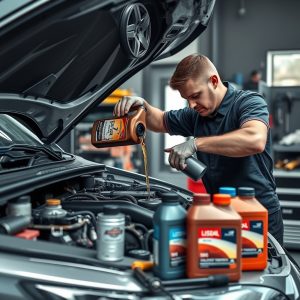
Unlocking Peak Performance: The Critical Role of Advanced Lubrication in Modern Vehicles

Modern vehicles are marvels of engineering, designed to deliver power, efficiency, and reliability. Yet, beneath the sleek exteriors and cutting-edge technology lies a network of moving parts that rely on one critical factor: proper lubrication. Without it, even the most advanced engines and drivetrains would succumb to wear, heat, and failure. Understanding the role of advanced lubricants—from synthetic motor oil to specialized fluids—can mean the difference between a vehicle that runs smoothly for years and one that struggles with costly repairs.
The Evolution of Engine Oil: Why Full Synthetic is the Gold Standard
Engine oil has come a long way from the conventional mineral-based formulas of the past. Today, full synthetic oil stands as the pinnacle of lubrication technology, offering superior protection in extreme temperatures, reduced friction, and extended drain intervals. Unlike conventional oils, synthetics are engineered at a molecular level to resist breakdown, ensuring consistent performance even under the most demanding conditions.
For high-mileage vehicles, high mileage oil takes this protection a step further. Formulated with additives that condition seals and reduce oil consumption, it helps extend the life of older engines by minimizing leaks and sludge buildup. Whether you’re driving a brand-new performance car or a trusted daily driver, choosing the right oil viscosity grade—such as 5W-30 or 0W-20—ensures optimal flow and protection across all operating conditions.
Beyond the Engine: The Fluids That Keep Your Vehicle Running Smoothly
While engine oil gets most of the attention, other fluids play equally vital roles in maintaining your vehicle’s health. Transmission fluid service, for example, is often overlooked but critical for smooth gear shifts and preventing costly transmission failures. Over time, transmission fluid degrades, losing its ability to lubricate and cool internal components. Regular replacement—typically every 30,000 to 60,000 miles—can prevent premature wear and extend the life of your transmission.
Similarly, differential fluid change and steering fluid flush services ensure that your vehicle’s drivetrain and steering systems operate without friction or noise. Differential fluid lubricates the gears that transfer power to your wheels, while power steering fluid enables effortless turning. Neglecting these fluids can lead to increased wear, reduced efficiency, and even system failure.
The Hidden Dangers of Brake Fluid and How to Address Them
Brake fluid is another often-neglected component, yet it plays a crucial role in your vehicle’s safety. Over time, brake fluid absorbs moisture, which lowers its boiling point and reduces braking efficiency. A brake fluid service, including a flush and replacement, ensures that your brakes remain responsive and reliable, especially in emergency situations. Most manufacturers recommend this service every two years, though severe driving conditions may warrant more frequent changes.
Specialized Lubricants: Protecting Every Moving Part
Beyond the fluids that circulate through your vehicle’s systems, specialized lubricants protect components that endure constant friction. Chassis lubrication, for instance, keeps suspension parts moving smoothly, reducing wear on ball joints, tie rods, and bushings. A grease gun kit makes this task easier, allowing you to apply wheel bearing grease or CV joint boot grease precisely where it’s needed.
For performance vehicles, supercharger oil replacement is essential to maintain the efficiency of forced induction systems. Superchargers rely on specialized lubricants to handle extreme pressures and temperatures, and using the wrong oil can lead to premature failure. Similarly, ceramic lubricant spray can be used on high-friction components like door hinges, hood latches, and even electrical connections to prevent corrosion and ensure smooth operation.
Additives and Sealers: The Secret Weapons for Engine Longevity
Even with the best lubricants, engines can develop issues like sludge buildup, oil leaks, or fuel system deposits. This is where fuel additive treatments and engine sludge cleaners come into play. A high-quality fuel additive can improve combustion efficiency, reduce carbon deposits, and enhance fuel economy. Meanwhile, an oil leak sealer can temporarily address minor leaks, buying you time until a permanent repair can be made.
However, it’s important to use these products judiciously. While they can provide short-term benefits, they are not substitutes for proper maintenance. For example, an oil leak sealer should never be used as a long-term fix, as it can clog oil passages and cause more harm than good. Always follow manufacturer recommendations and consult a professional if you’re unsure.
The Importance of Periodic Maintenance: A Proactive Approach
Preventative maintenance is the key to avoiding costly repairs and extending your vehicle’s lifespan. A periodic maintenance service should include not just oil changes but also fluid checks, filter replacements, and inspections of critical components. For instance, replacing the car oil filter during every oil change ensures that contaminants are removed from the oil, preventing them from circulating through the engine.
Many drivers make the mistake of waiting until something goes wrong before addressing maintenance needs. However, by the time symptoms like strange noises, warning lights, or poor performance appear, the damage may already be done. A proactive approach—following your vehicle’s recommended maintenance schedule—can save you time, money, and stress in the long run.
Every vehicle, regardless of make or model, relies on a delicate balance of fluids and lubricants to perform at its best. The choices you make—whether it’s opting for full synthetic oil, keeping up with transmission fluid changes, or using the right grease for your chassis—directly impact your car’s reliability and longevity. By understanding the role of these critical components and committing to regular maintenance, you’re not just protecting your investment; you’re ensuring that your vehicle remains a dependable partner on the road for years to come. The road ahead is full of possibilities, and with the right care, your car will be ready to take you there.