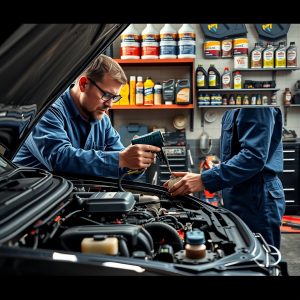
The Ultimate Guide to Extending Your Vehicle’s Lifespan with Proper Fluid Maintenance
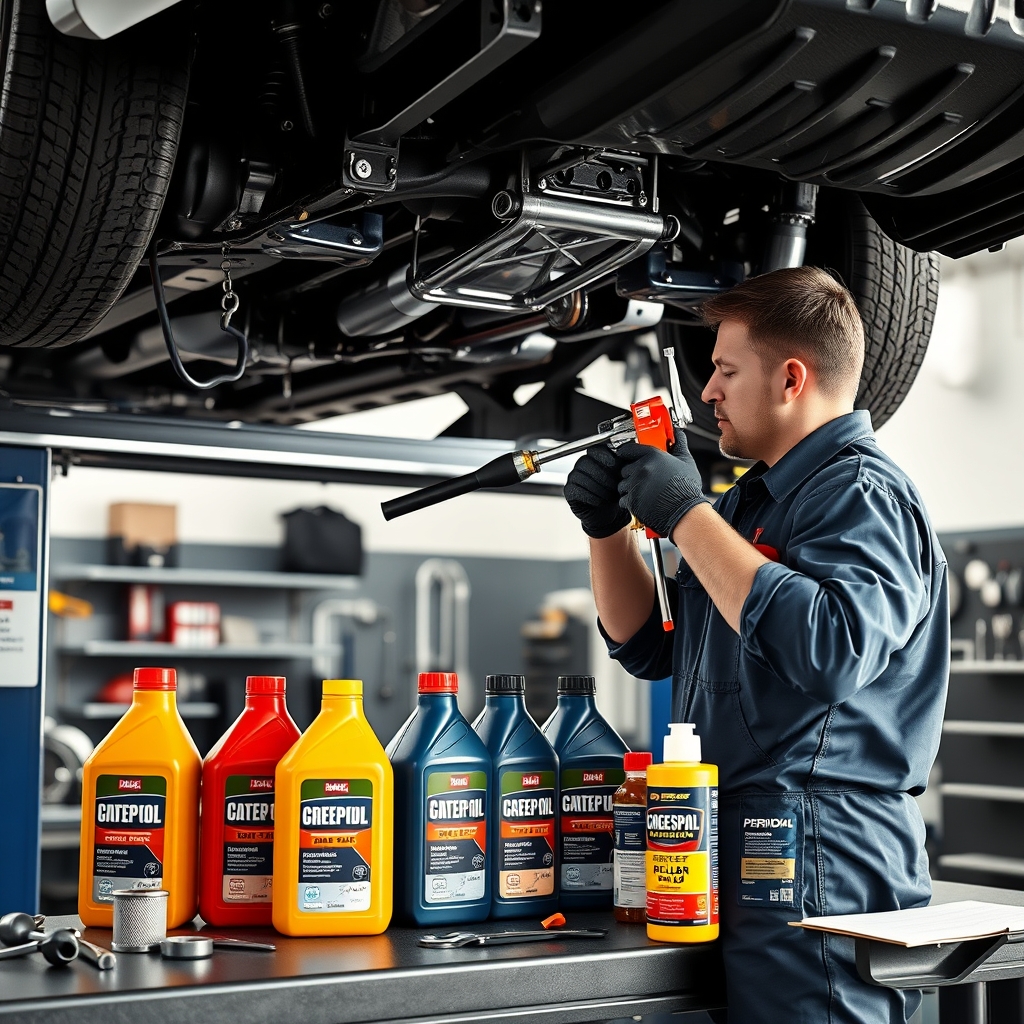
Regular vehicle maintenance is often overlooked by many car owners, yet it is one of the most effective ways to ensure longevity and optimal performance. Among the various aspects of car care, fluid maintenance stands out as a critical factor that can prevent costly repairs and breakdowns. Whether you’re driving a brand-new car or a high-mileage vehicle, understanding the role of different fluids and how to maintain them can save you time, money, and stress in the long run.
The Importance of Engine Oil: More Than Just Lubrication
Engine oil is the lifeblood of your vehicle, serving multiple functions beyond simple lubrication. It helps cool the engine, prevents corrosion, and keeps contaminants suspended so they can be filtered out. However, not all engine oils are created equal. Synthetic motor oil, for instance, offers superior protection compared to conventional oil, especially in extreme temperatures. It flows more easily in cold weather and maintains its viscosity under high heat, reducing wear and tear on engine components.
For older vehicles, high mileage oil is formulated with additives that condition seals and reduce oil consumption, addressing common issues in engines with over 75,000 miles. Regardless of the type of oil you choose, regular engine oil changes are non-negotiable. Most manufacturers recommend changing your oil every 5,000 to 7,500 miles, but this can vary based on driving conditions and the type of oil used. Always refer to your owner’s manual for the best guidance.
Choosing the Right Oil Viscosity Grade
The oil viscosity grade is a critical factor in selecting the right oil for your vehicle. Viscosity refers to the oil’s resistance to flow, and it’s typically represented by a number followed by the letter “W” (e.g., 5W-30). The first number indicates the oil’s flow at low temperatures, while the second number represents its viscosity at high temperatures. Using the wrong viscosity grade can lead to poor lubrication, increased engine wear, and even engine damage. Always check your vehicle’s manual to determine the recommended viscosity grade for your engine.
Beyond Engine Oil: Other Essential Fluids
While engine oil is the most talked-about fluid, other fluids in your vehicle are equally important and require regular attention. Neglecting these can lead to reduced performance, increased wear, and even system failures.
Transmission Fluid Service: Keeping Your Gears Shifting Smoothly
Your vehicle’s transmission is a complex system that relies on transmission fluid to operate smoothly. Over time, this fluid breaks down and becomes contaminated, leading to rough shifting, overheating, and eventual transmission failure. A transmission fluid service involves draining the old fluid, replacing the car oil filter (if applicable), and refilling with fresh fluid. Most manufacturers recommend this service every 30,000 to 60,000 miles, but again, check your manual for specific intervals.
Differential and Steering Fluids: Often Overlooked but Vital
The differential is responsible for transferring power from the engine to the wheels, and it relies on differential fluid to lubricate its gears. Over time, this fluid can degrade, leading to increased friction and wear. A differential fluid change is typically recommended every 30,000 to 50,000 miles, depending on your vehicle and driving conditions.
Similarly, the power steering system uses steering fluid to make turning the wheel effortless. A steering fluid flush removes old, contaminated fluid and replaces it with fresh fluid, ensuring smooth and responsive steering. Neglecting this service can lead to stiff steering, noise, and even failure of the power steering pump.
Brake Fluid Service: Safety Should Never Be Compromised
Brake fluid is hygroscopic, meaning it absorbs moisture from the air over time. This moisture can lead to corrosion in the brake system and reduce the fluid’s boiling point, compromising your vehicle’s stopping power. A brake fluid service involves flushing the old fluid and replacing it with new, dry fluid. This service is typically recommended every two years, regardless of mileage, to ensure your brakes remain reliable and responsive.
Specialized Lubricants and Additives: Going the Extra Mile
In addition to regular fluid changes, there are specialized lubricants and additives that can further protect your vehicle and address specific issues.
Engine Sludge Cleaner and Fuel Additive Treatment
Over time, engine oil can break down and form engine sludge, a thick, tar-like substance that can clog oil passages and reduce engine efficiency. An engine sludge cleaner can help dissolve and remove this sludge, restoring proper oil flow and engine performance. Similarly, a fuel additive treatment can clean fuel injectors, improve combustion, and enhance fuel efficiency. These treatments are particularly useful for older vehicles or those that have been neglected.
Oil Leak Sealer and Ceramic Lubricant Spray
Oil leaks are a common issue, especially in high-mileage vehicles. While it’s important to address the root cause of the leak, an oil leak sealer can provide a temporary fix, preventing further oil loss and potential engine damage. Additionally, a ceramic lubricant spray can be used to protect and lubricate various components, such as door hinges, locks, and even electrical connections, reducing wear and preventing corrosion.
Grease: The Unsung Hero of Vehicle Maintenance
Grease is often overlooked, but it plays a crucial role in keeping various components of your vehicle moving smoothly. A grease gun kit allows you to apply grease to parts like wheel bearings, CV joints, and suspension components, reducing friction and preventing premature wear. Wheel bearing grease and CV joint boot grease are specially formulated to withstand high temperatures and heavy loads, ensuring long-lasting protection. For performance vehicles, even the supercharger oil replacement is essential to maintain optimal performance and prevent damage to this critical component.
Chassis Lubrication and Periodic Maintenance: The Key to Longevity
Chassis lubrication is another often-neglected aspect of vehicle maintenance. The chassis includes components like ball joints, tie rods, and control arms, all of which require regular lubrication to prevent wear and ensure smooth operation. Most modern vehicles have sealed components that don’t require frequent lubrication, but older vehicles or those driven in harsh conditions may benefit from periodic chassis lubrication.
A periodic maintenance service is a comprehensive check-up that includes inspecting and servicing all the fluids, filters, and components mentioned above. This service is typically performed at specific mileage intervals and is designed to catch potential issues before they become major problems. By staying on top of your vehicle’s maintenance schedule, you can avoid costly repairs and extend its lifespan significantly.
Taking care of your vehicle’s fluids and lubricants is not just about preventing breakdowns; it’s about ensuring that every drive is smooth, safe, and enjoyable. Whether it’s the engine oil that keeps your motor running or the brake fluid that ensures your safety, each fluid plays a vital role in your vehicle’s performance. By understanding these systems and committing to regular maintenance, you’re not just protecting your investment—you’re also ensuring that your vehicle remains reliable for years to come, no matter where the road takes you.