The Invisible Alchemists: How Advanced Fuel Additives Are Sculpting the Future of Engine Performance and Sustainability
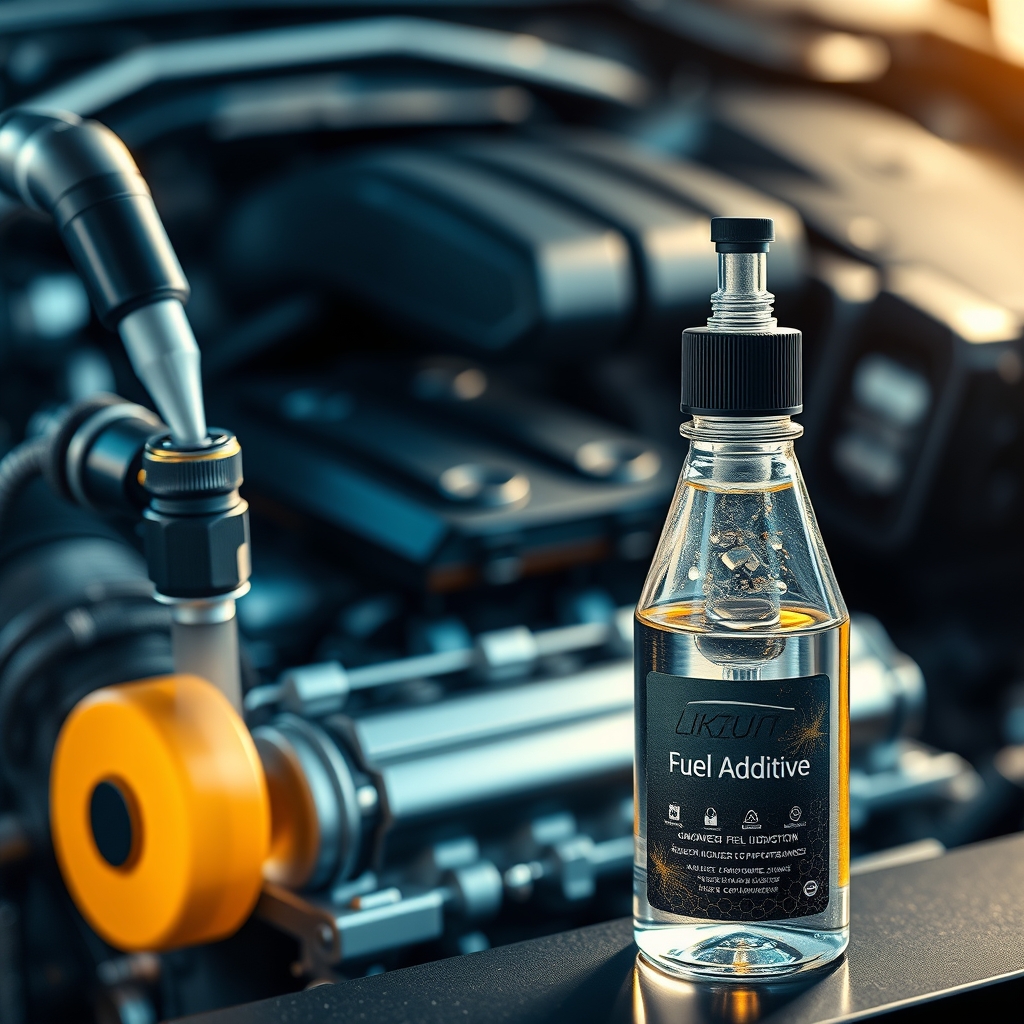
Engines are marvels of modern engineering, but even the most advanced powertrains can fall victim to the silent enemies of inefficiency: carbon deposits, fuel degradation, and friction. These issues don’t announce themselves with warning lights or dramatic breakdowns. Instead, they erode performance gradually, like rust on a hidden bolt, until one day, the engine feels sluggish, fuel economy dips, and emissions creep higher. The solution? A new generation of fuel additives—chemical alchemists that work invisibly to restore lost power, clean critical components, and even reduce environmental impact. These aren’t the crude cleaners of the past; they’re precision-engineered formulas designed to address the specific challenges of today’s high-tech engines.
The Carbon Conundrum: Why Deposits Are the Silent Killer of Performance
Carbon deposits are the plaque of the engine world. They accumulate on fuel injectors, intake valves, and combustion chambers, disrupting the delicate balance of air and fuel that modern engines rely on. Direct injection engines, in particular, are vulnerable. Unlike older port-injected systems, where fuel washes over the intake valves, direct injection sprays fuel straight into the combustion chamber, leaving valves exposed to carbon buildup. Over time, this leads to rough idling, misfires, and a noticeable drop in power.
Enter polyetheramine (PEA) cleaners and direct injection detergents. These additives are formulated to dissolve stubborn carbon deposits without harming engine components. PEA-based cleaners, for example, use a unique molecular structure to break down carbon at a microscopic level, restoring proper airflow and fuel atomization. The result? Smoother acceleration, better throttle response, and a return to the engine’s original efficiency. For drivers who demand peak performance, these additives are no longer optional—they’re essential maintenance.
Octane and Cetane: The Unsung Heroes of Combustion Efficiency
Not all fuels are created equal. Gasoline’s octane rating and diesel’s cetane number determine how efficiently fuel burns in the engine. Low-octane gasoline can cause knocking—a destructive phenomenon where fuel ignites prematurely, damaging pistons and cylinder walls. Similarly, low-cetane diesel struggles to ignite properly, leading to incomplete combustion, soot buildup, and reduced power.
This is where octane boosters and cetane improvers come into play. Octane boosters, often containing compounds like methylcyclopentadienyl manganese tricarbonyl (MMT) or ferrocene, elevate the fuel’s octane rating, allowing engines to run higher compression ratios without knocking. Cetane improvers, on the other hand, use additives like 2-ethylhexyl nitrate (2-EHN) to shorten ignition delay, ensuring diesel fuel burns more completely and cleanly. For performance enthusiasts and fleet operators alike, these additives can mean the difference between a sluggish engine and one that delivers optimal power and efficiency.
The Rise of Eco-Friendly Additives: Performance Meets Sustainability
The push for greener technologies has extended to fuel additives. Traditional additives, while effective, often rely on petroleum-derived chemicals that can contribute to emissions. Today, however, bio-based cetane boosters, oxygenated fuel additives, and glycerol derivative additives are changing the game. These eco-friendly alternatives are derived from renewable sources, such as plant oils or waste byproducts, and offer comparable—or even superior—performance to their synthetic counterparts.
Take bio cetane boosters, for example. Made from fatty acid methyl esters (FAME), these additives not only improve diesel combustion but also reduce particulate emissions and greenhouse gases. Similarly, oxygenated additives like ethanol or ethyl tert-butyl ether (ETBE) enhance fuel combustion, leading to cleaner exhaust and lower carbon monoxide emissions. For environmentally conscious drivers, these additives provide a way to boost performance without compromising sustainability.
Friction Modifiers and Fuel Stabilizers: The Long Game of Engine Care
Engines don’t just suffer from deposits and inefficient combustion—they also endure the relentless wear of friction. Every moving part, from pistons to camshafts, generates heat and resistance, gradually degrading performance. Friction modifiers, such as molybdenum disulfide (MoS2) or organic friction reducers, form a protective layer on metal surfaces, reducing wear and improving fuel economy. These additives are particularly valuable in high-mileage engines, where years of use have taken their toll on critical components.
Fuel stabilizers, on the other hand, address a different challenge: fuel degradation. Gasoline and diesel break down over time, forming gums and varnishes that clog fuel systems. This is especially problematic for seasonal vehicles, like boats or classic cars, that sit unused for months. Fuel stabilizers, often containing antioxidants like butylated hydroxytoluene (BHT), prevent oxidation and keep fuel fresh for up to a year or more. For owners of stored vehicles, these additives are a simple yet effective way to avoid costly fuel system repairs.
The Graphene Revolution: The Next Frontier in Fuel Additives
If there’s one material poised to revolutionize fuel additives, it’s graphene. This single layer of carbon atoms, arranged in a hexagonal lattice, is stronger than steel, more conductive than copper, and incredibly lightweight. When incorporated into fuel additives, graphene acts as a friction modifier and combustion enhancer, reducing wear and improving fuel efficiency. Early studies suggest that graphene-based additives can reduce engine friction by up to 20%, while also enhancing fuel atomization for more complete combustion.
The potential doesn’t stop there. Graphene’s thermal conductivity helps dissipate heat more effectively, reducing engine temperatures and preventing hot spots that can lead to knocking. As research progresses, graphene could become a cornerstone of next-generation fuel additives, offering unparalleled performance and durability.
Choosing the Right Additive for Your Engine
With so many options available, selecting the right fuel additive can feel overwhelming. The key is to match the additive to your engine’s specific needs. For gasoline engines struggling with carbon deposits, a PEA-based cleaner or direct injection detergent is ideal. Diesel owners, meanwhile, should consider cetane improvers or diesel anti-gel additives for cold-weather protection. High-performance vehicles may benefit from octane boosters or friction modifiers, while eco-conscious drivers can opt for bio-based or oxygenated additives.
It’s also important to consider the additive’s compatibility with your fuel system. Modern engines, particularly those with turbochargers or direct injection, require additives that won’t damage sensitive components. Always choose products from reputable manufacturers and follow the recommended dosage. Overusing additives can be just as harmful as neglecting maintenance altogether.
Engines are complex machines, but their care doesn’t have to be. Advanced fuel additives offer a targeted, cost-effective way to combat the invisible threats that degrade performance over time. Whether it’s dissolving carbon deposits, boosting octane, or reducing friction, these chemical innovations work behind the scenes to keep engines running smoothly, efficiently, and sustainably. The next time you fill up your tank, consider what’s happening beneath the hood—and how a small bottle of additive might just be the key to unlocking your engine’s full potential. The future of engine care isn’t just about what you put in your tank; it’s about how you treat the fuel that powers your journey.