The Nano Advantage: How Graphene and Molecular Innovations Are Redefining Fuel Additive Technology
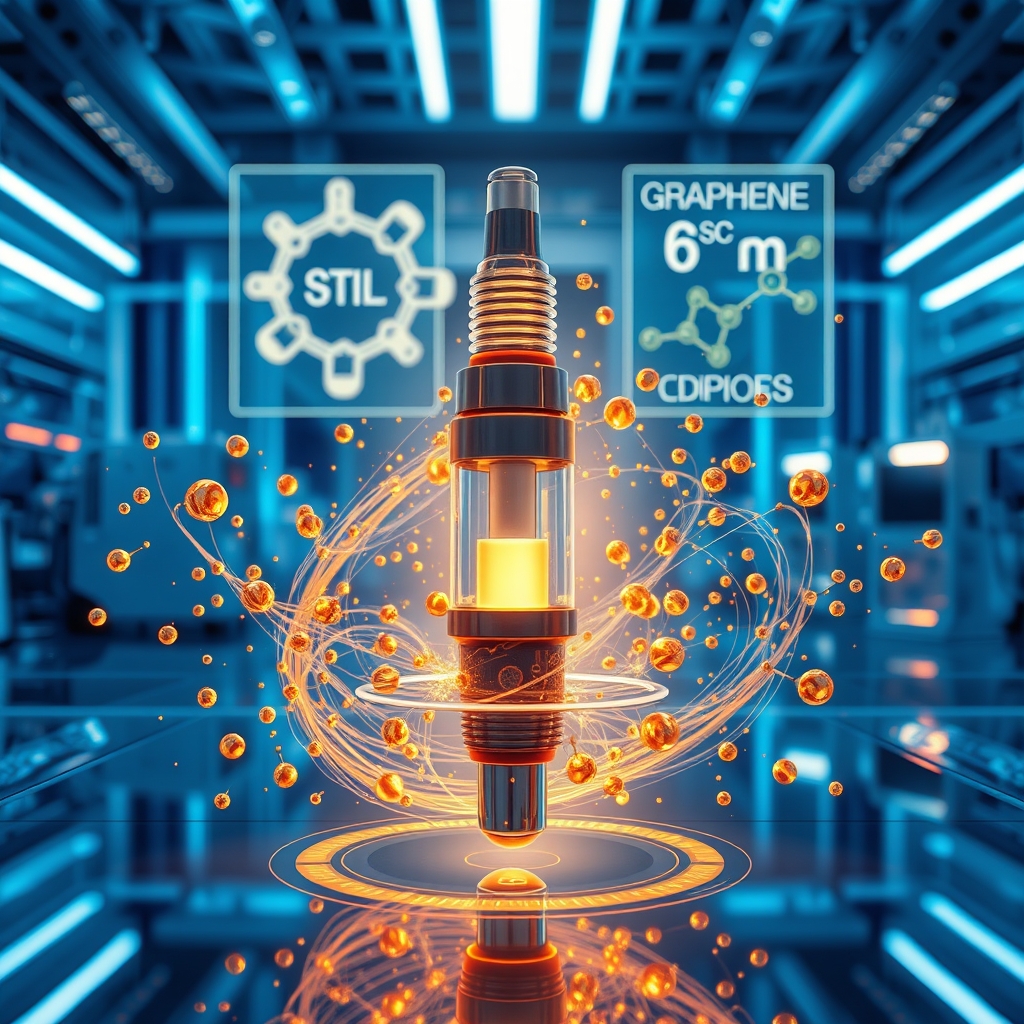
In the relentless pursuit of engine efficiency and environmental sustainability, fuel additives have evolved from simple cleaners to sophisticated molecular solutions. Today, the frontier of innovation lies in nanotechnology and precision chemistry, where additives like graphene and glycerol derivatives are not just enhancing performance but redefining the very mechanics of combustion. These advancements are bridging the gap between raw power and eco-conscious engineering, offering drivers and industries alike a path to cleaner, more efficient engines without compromise.
The Rise of Graphene: A Game-Changer in Fuel Additives
Graphene, a single layer of carbon atoms arranged in a hexagonal lattice, has emerged as one of the most promising materials in fuel additive technology. Its extraordinary strength, thermal conductivity, and lubricating properties make it an ideal candidate for reducing friction and improving combustion efficiency. When introduced into fuel as an additive, graphene forms a microscopic protective layer on engine components, minimizing wear and tear while optimizing heat dissipation. The result? Enhanced fuel economy, reduced emissions, and prolonged engine life.
Studies have shown that graphene-based additives can improve fuel efficiency by up to 5% while simultaneously lowering harmful emissions like nitrogen oxides (NOx) and particulate matter. Unlike traditional friction modifiers, graphene operates at the nanoscale, ensuring that even the smallest engine components benefit from its protective and performance-enhancing properties. This level of precision is what sets modern additives apart from their predecessors, which often relied on broad-spectrum detergents or octane boosters to achieve less targeted results.
Oxygenated and Glycerol Derivative Additives: The Eco-Friendly Revolution
As the world shifts toward sustainability, fuel additives are increasingly being designed with environmental impact in mind. Oxygenated additives, such as ethanol and bio-derived ethers, have long been used to improve combustion efficiency and reduce emissions. However, newer innovations like glycerol derivative additives are taking this concept further by offering a renewable, non-toxic alternative to traditional petroleum-based solutions.
Glycerol, a byproduct of biodiesel production, can be chemically modified to create additives that enhance fuel stability, reduce carbon deposits, and improve cetane ratings in diesel engines. These glycerol derivative additives not only improve engine performance but also align with circular economy principles by repurposing waste materials. Similarly, bio cetane boosters derived from plant-based sources are providing diesel engines with cleaner, more efficient combustion, reducing the reliance on fossil-fuel-derived additives.
The Role of Polyetheramine Cleaners in Modern Engines
Direct injection engines, while highly efficient, are particularly prone to carbon deposits due to their precise fuel delivery systems. Over time, these deposits can clog injectors, reduce power, and increase emissions. Polyetheramine (PEA) cleaners have emerged as a powerful solution to this problem, offering superior deposit control compared to traditional detergents. PEA molecules are designed to break down and remove carbon buildup at the molecular level, restoring engine performance without the need for aggressive mechanical cleaning.
What makes PEA cleaners particularly effective is their ability to target deposits in high-temperature, high-pressure environments, such as those found in turbocharged and direct injection engines. Unlike older detergent packages, which could leave behind residue or degrade over time, PEA cleaners provide long-lasting protection, ensuring that engines remain clean and efficient between maintenance intervals.
Diesel Anti-Gel and Friction Modifiers: Tackling Extreme Conditions
For diesel engines, cold weather presents a unique challenge: fuel gelling. When temperatures drop, diesel fuel can thicken and form wax crystals, clogging fuel filters and preventing engines from starting. Diesel anti-gel additives work by lowering the cold filter plugging point (CFPP) of the fuel, allowing it to flow smoothly even in sub-zero conditions. Modern anti-gel formulations often include synthetic polymers that prevent wax crystallization, ensuring reliable performance in the harshest climates.
Friction modifiers, on the other hand, are designed to reduce the mechanical resistance between moving engine parts. By forming a thin, durable film on metal surfaces, these additives minimize wear and improve fuel efficiency. In diesel engines, where high compression ratios and heavy loads create significant friction, these modifiers can extend engine life and reduce maintenance costs. When combined with cetane improvers, which enhance ignition quality, friction modifiers create a synergistic effect that maximizes both performance and longevity.
The Future: Synthetic and Hybrid Fuel Additives
The next generation of fuel additives is likely to be dominated by synthetic and hybrid formulations that combine the best properties of multiple technologies. For example, graphene-enhanced friction modifiers could be paired with glycerol derivative cetane boosters to create a single additive that improves efficiency, reduces emissions, and protects engine components. Similarly, oxygenated additives could be blended with polyetheramine cleaners to create a multifunctional solution that cleans, stabilizes, and enhances fuel performance.
These hybrid additives are already being tested in high-performance and commercial applications, where the demands for efficiency and reliability are most stringent. As regulatory pressures increase and consumer expectations shift toward sustainability, the development of these advanced formulations will accelerate, offering engines that are not only more powerful but also cleaner and more durable than ever before.
In an era where every drop of fuel counts, the role of advanced additives cannot be overstated. From graphene’s nanoscale protection to glycerol derivatives’ eco-friendly efficiency, these innovations are transforming engines from the inside out. They are not just additives; they are the silent architects of a more efficient, sustainable future, proving that even the smallest molecules can drive the biggest changes.