The Invisible Catalysts: How Modern Fuel Additives Are Redefining Combustion Efficiency and Engine Longevity
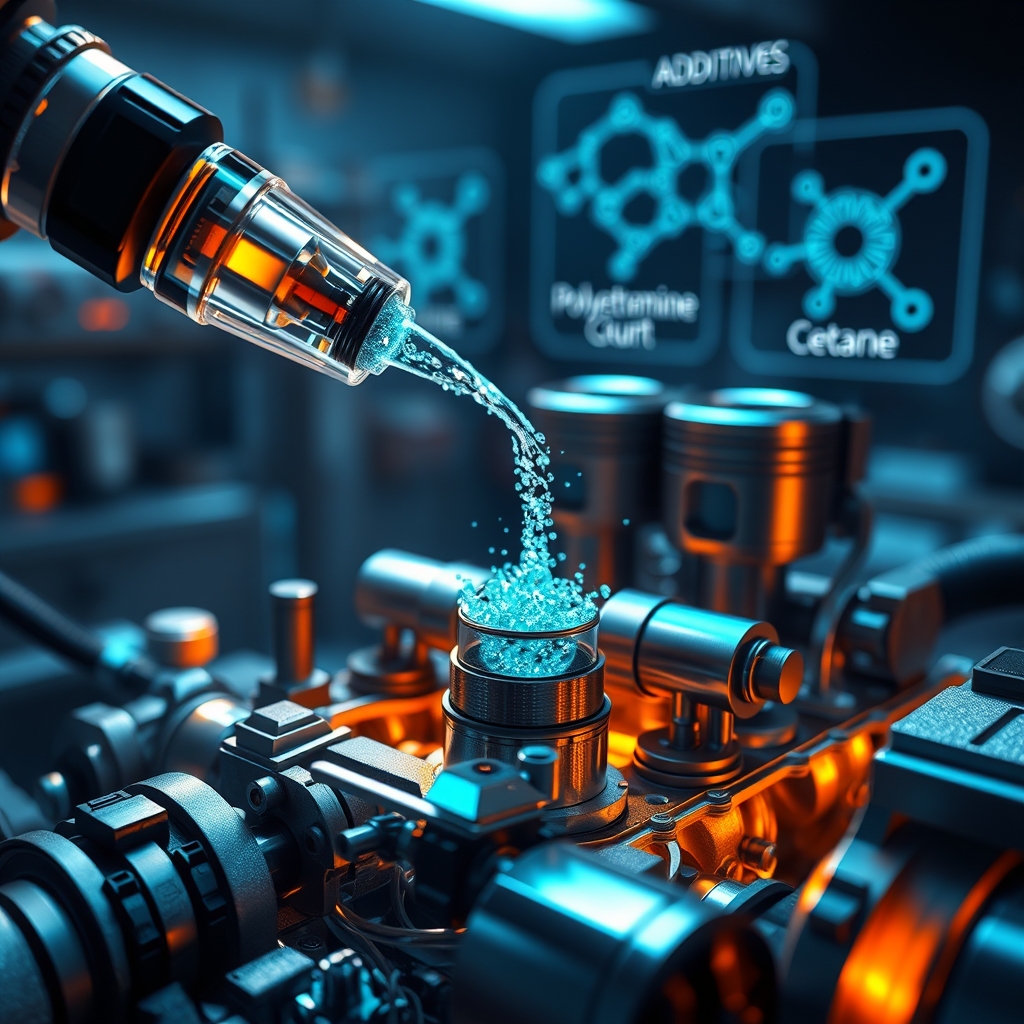
In the intricate dance of internal combustion, where every millisecond and molecule counts, fuel additives have emerged as the unsung maestros orchestrating peak performance. These chemical formulations, often overlooked by the average driver, play a pivotal role in maintaining engine health, optimizing efficiency, and reducing environmental impact. As engines evolve and emissions regulations tighten, the science behind fuel additives has advanced far beyond simple cleaning agents, transforming into precision tools that enhance combustion, protect critical components, and even extend the lifespan of your vehicle.
The Combustion Conundrum: Why Additives Matter
At the heart of every engine lies the combustion chamber, where fuel and air mix to create the controlled explosions that power your vehicle. Over time, however, this process leaves behind a trail of deposits—carbon buildup on pistons, intake valves, and fuel injectors—that can disrupt airflow, reduce efficiency, and increase emissions. Modern fuel additives, such as polyetheramine cleaners and direct injection detergents, are engineered to dissolve these deposits at a molecular level, restoring optimal combustion conditions. Unlike early-generation cleaners, which often relied on harsh solvents, today’s additives use advanced chemistry to target specific types of deposits without damaging engine components.
The Octane and Cetane Equation
For gasoline engines, octane boosters have long been a go-to solution for preventing knocking—a destructive phenomenon caused by premature ignition of the air-fuel mixture. High-performance engines, in particular, benefit from additives that elevate octane ratings, allowing for more aggressive timing and higher compression ratios. On the diesel side, cetane improvers play a similar role by enhancing fuel ignition quality. A higher cetane number translates to smoother combustion, reduced noise, and lower emissions, making these additives indispensable for modern diesel engines, especially in colder climates where ignition delays can be problematic.
Beyond Cleaning: The Multifaceted Role of Additives
While deposit control remains a cornerstone of fuel additive technology, the latest formulations offer far more. Friction modifiers, for instance, create a protective layer on metal surfaces, reducing wear and tear in high-stress areas like piston rings and cylinder walls. This not only improves engine longevity but also enhances fuel economy by minimizing energy lost to friction. Similarly, oxygenated fuel additives, such as ethanol blends or glycerol derivatives, alter the chemical composition of fuel to promote more complete combustion, reducing harmful emissions like carbon monoxide and unburned hydrocarbons.
The Rise of Eco-Friendly Innovations
As environmental concerns take center stage, the fuel additive industry has responded with a wave of eco-friendly solutions. Bio cetane boosters, derived from renewable sources like vegetable oils, offer a sustainable alternative to traditional petroleum-based additives. Meanwhile, graphene fuel additives—a cutting-edge development—promise to revolutionize engine efficiency by improving thermal conductivity and reducing friction at the nanoscale. These innovations not only lower emissions but also align with global efforts to reduce reliance on fossil fuels.
Cold Weather Challenges: Diesel Anti-Gel and Fuel Stabilizers
For diesel engine owners, cold weather presents a unique set of challenges. As temperatures drop, diesel fuel can begin to gel, clogging filters and starving the engine of fuel. Diesel anti-gel additives work by lowering the fuel’s pour point, preventing wax crystals from forming and ensuring smooth operation even in sub-zero conditions. Similarly, fuel stabilizers are essential for vehicles that sit idle for extended periods, such as seasonal equipment or classic cars. These additives prevent fuel degradation, oxidation, and the formation of gum and varnish, which can clog fuel lines and injectors over time.
The Future of Fuel Additives: Smart and Sustainable
The next frontier in fuel additive technology lies in smart formulations that adapt to real-time engine conditions. Researchers are exploring additives that release active ingredients only when needed, such as during cold starts or high-load conditions, to maximize efficiency and minimize waste. Additionally, the integration of emissions reduction additives into fuel blends is becoming more common, helping vehicles meet stringent environmental standards without requiring hardware modifications. These advancements are not just about performance—they’re about creating a more sustainable future for internal combustion engines.
Every time you fill up your tank, you’re not just adding fuel—you’re introducing a complex ecosystem of chemicals designed to work in harmony with your engine. The right fuel additives can mean the difference between a sluggish, inefficient engine and one that runs like new, year after year. As technology continues to evolve, these invisible catalysts will play an even greater role in shaping the future of transportation, proving that sometimes, the smallest additions can make the biggest impact.