The Green Shift: How Eco-Friendly Fuel Additives Are Revolutionizing Engine Care and Emissions Control
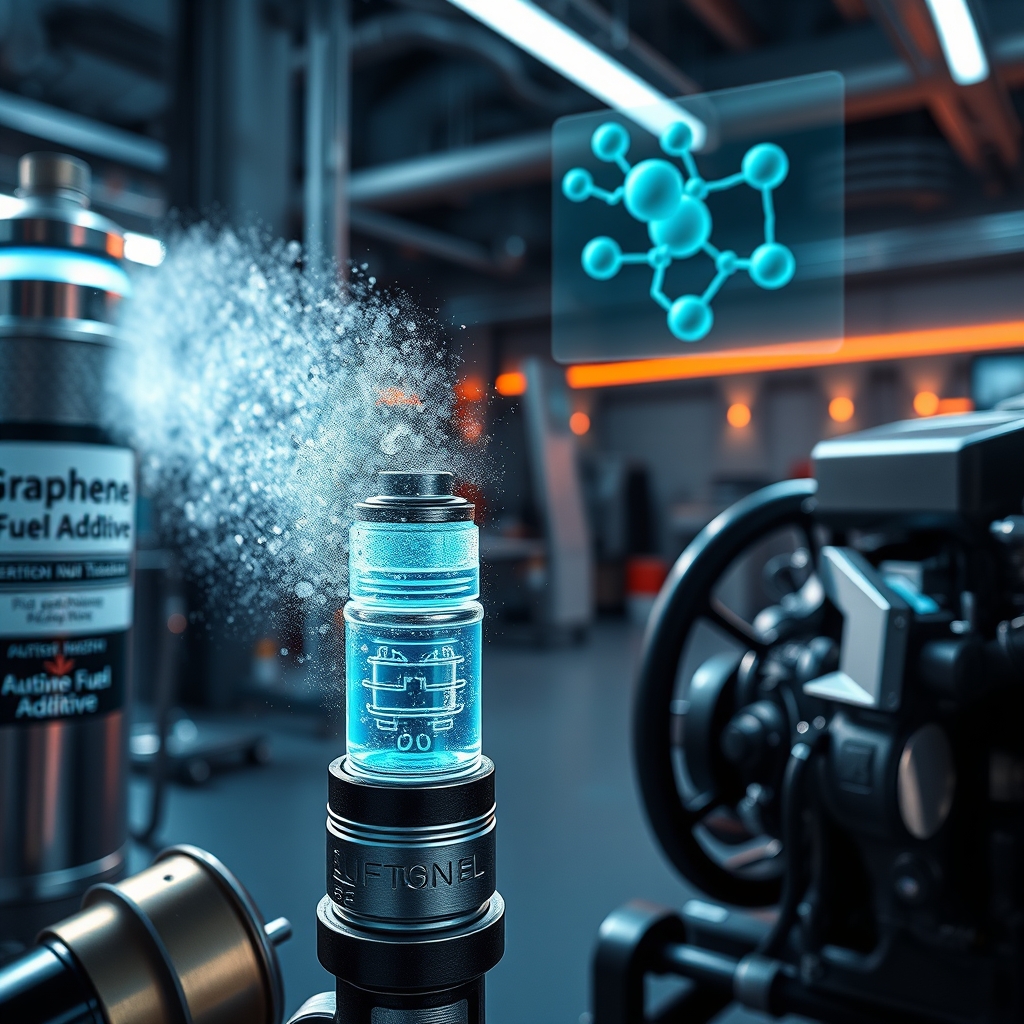
Modern engines, whether in cars, trucks, or industrial machinery, demand precision and efficiency to perform at their best. Yet, over time, deposits, friction, and fuel degradation can compromise performance, increase emissions, and shorten engine life. The solution? Advanced fuel additives—formulated not just to enhance power but to align with environmental sustainability. From graphene-based innovations to bio-derived cetane boosters, the latest generation of additives is proving that engine care and eco-consciousness can go hand in hand.
The Rise of Eco-Friendly Fuel Additives
Traditional fuel additives have long been used to clean injectors, stabilize fuel, and improve combustion. However, many conventional products rely on harsh chemicals that, while effective, can leave a significant environmental footprint. The shift toward eco-friendly alternatives is driven by stricter emissions regulations, consumer demand for greener products, and the automotive industry’s push for sustainability. Additives like glycerol derivative compounds and bio cetane boosters are leading this charge, offering performance benefits without the ecological trade-offs.
Graphene: The Wonder Material in Fuel Additives
Graphene, a single layer of carbon atoms arranged in a hexagonal lattice, is one of the most exciting developments in fuel additive technology. When incorporated into fuel systems, graphene-based additives act as friction modifiers, reducing wear between moving parts and improving fuel economy. Studies have shown that graphene can lower friction by up to 20%, translating to smoother engine operation and extended component life. Additionally, its thermal conductivity helps dissipate heat more efficiently, reducing the risk of engine knock and improving overall combustion.
Oxygenated and Bio-Based Additives: Cleaner Combustion, Lower Emissions
Oxygenated fuel additives, such as ethanol blends and glycerol derivatives, enhance combustion efficiency by increasing the oxygen content in fuel. This leads to more complete burning, reducing harmful emissions like carbon monoxide (CO) and unburned hydrocarbons (HC). Meanwhile, bio cetane boosters, derived from renewable sources like vegetable oils, improve diesel fuel ignition quality without relying on petroleum-based chemicals. These additives not only support cleaner air but also reduce dependence on fossil fuels, making them a cornerstone of sustainable engine care.
Tackling Carbon Deposits: The Role of Advanced Detergents
Carbon buildup is a silent killer of engine performance. Over time, deposits form on fuel injectors, intake valves, and combustion chambers, disrupting fuel flow and air-fuel ratios. This leads to rough idling, reduced power, and increased fuel consumption. Modern polyetheramine (PEA) cleaners and direct injection detergents are designed to break down these deposits at a molecular level, restoring engine efficiency. Unlike older solvent-based cleaners, PEA-based additives are non-corrosive and leave no harmful residues, making them safer for both engines and the environment.
Fuel Stabilizers: Preserving Quality in an Uncertain World
Fuel degradation is a growing concern, especially with the rise of ethanol-blended gasoline and biodiesel. Oxidation and phase separation can turn fuel into a gummy, corrosive mess, clogging filters and damaging fuel systems. Fuel stabilizers, often containing antioxidants and metal deactivators, prevent these issues by slowing down chemical breakdown. For vehicles in storage or those using alternative fuels, stabilizers are essential for maintaining fuel integrity and ensuring smooth starts when the engine is needed most.
Diesel Engines: Overcoming Cold Weather Challenges
Diesel fuel is prone to gelling in cold temperatures, a problem that can leave engines unable to start. Diesel anti-gel additives modify the wax crystals in fuel, preventing them from clumping together and blocking fuel filters. These additives are particularly vital for fleets and heavy machinery operating in harsh climates. Some advanced formulations even include cetane improvers, which enhance ignition quality, reducing white smoke and improving cold-weather performance.
The Future: Synthetic and Hybrid Additives
The next frontier in fuel additives lies in synthetic and hybrid formulations. These products combine the best of multiple technologies—such as graphene friction modifiers with oxygenated compounds—to deliver superior performance while minimizing environmental impact. For example, a synthetic fuel additive might include a gasoline detergent package to clean injectors, a friction modifier to reduce wear, and an emissions reduction additive to lower NOx and particulate matter. The result? Engines that run cleaner, last longer, and consume less fuel.
As the automotive industry continues to evolve, so too will the role of fuel additives. The focus is no longer just on power and efficiency but on sustainability and long-term engine health. Whether it’s through graphene-enhanced lubricity, bio-based cetane boosters, or advanced detergent packages, these innovations are proving that the future of engine care is not just about performance—it’s about responsibility. The choices we make today, from the additives we use to the fuels we select, will shape the efficiency and environmental impact of engines for decades to come. Every drop of fuel, every revolution of the engine, is an opportunity to drive change.