Fluid Dynamics: The Unsung Hero of Your Vehicle’s Performance and Longevity
When it comes to vehicle maintenance, most drivers think of oil changes as the gold standard. While regular engine oil changes are undeniably crucial, they are just one piece of a much larger puzzle. The fluids coursing through your vehicle’s systems are the lifeblood that keeps everything running smoothly, quietly, and efficiently. Neglecting them can lead to premature wear, costly repairs, and even catastrophic failure. Yet, many of these fluids are overlooked until it’s too late. Let’s dive into the often-ignored world of automotive fluids and discover how giving them the attention they deserve can transform your driving experience.
The Engine Oil: More Than Just a Lubricant
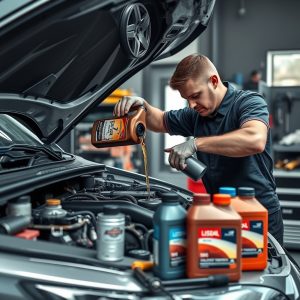
Engine oil is the most familiar fluid to drivers, but its role extends far beyond simple lubrication. Modern synthetic motor oils, such as full synthetic or high mileage oil, are engineered to perform under extreme conditions. They resist breakdown, reduce friction, and even help dissipate heat, protecting your engine from the relentless stress of daily driving. For older vehicles, high mileage oil formulations include additives that condition seals and reduce oil consumption, effectively breathing new life into aging engines.
However, not all oils are created equal. The oil viscosity grade, indicated by numbers like 5W-30 or 10W-40, determines how well the oil flows at different temperatures. Using the wrong viscosity can lead to poor lubrication in cold starts or excessive thinning in high heat, both of which accelerate engine wear. Always consult your vehicle’s manual to ensure you’re using the correct grade for your climate and driving conditions.
The Silent Killer: Engine Sludge
One of the most insidious threats to your engine is sludge—a thick, tar-like buildup that forms when oil breaks down or becomes contaminated. Sludge clogs oil passages, restricts flow, and can lead to engine failure if left unchecked. While regular oil changes are the best defense, using an engine sludge cleaner as part of your maintenance routine can help dissolve existing deposits and restore optimal oil flow. For vehicles with a history of neglect, a fuel additive treatment can also improve combustion efficiency, reducing the formation of harmful deposits in the first place.
Beyond the Engine: The Fluids You’re Probably Ignoring
While engine oil gets most of the attention, other fluids play equally vital roles in your vehicle’s health. Transmission fluid, for example, is responsible for lubricating the complex gears and clutches inside your transmission. Over time, it degrades, losing its ability to protect these components. A transmission fluid service, which includes draining the old fluid and replacing it with fresh, high-quality fluid, can prevent costly transmission repairs and ensure smooth shifting. For vehicles with high mileage, a differential fluid change is just as important, as it protects the gears that transfer power to your wheels.
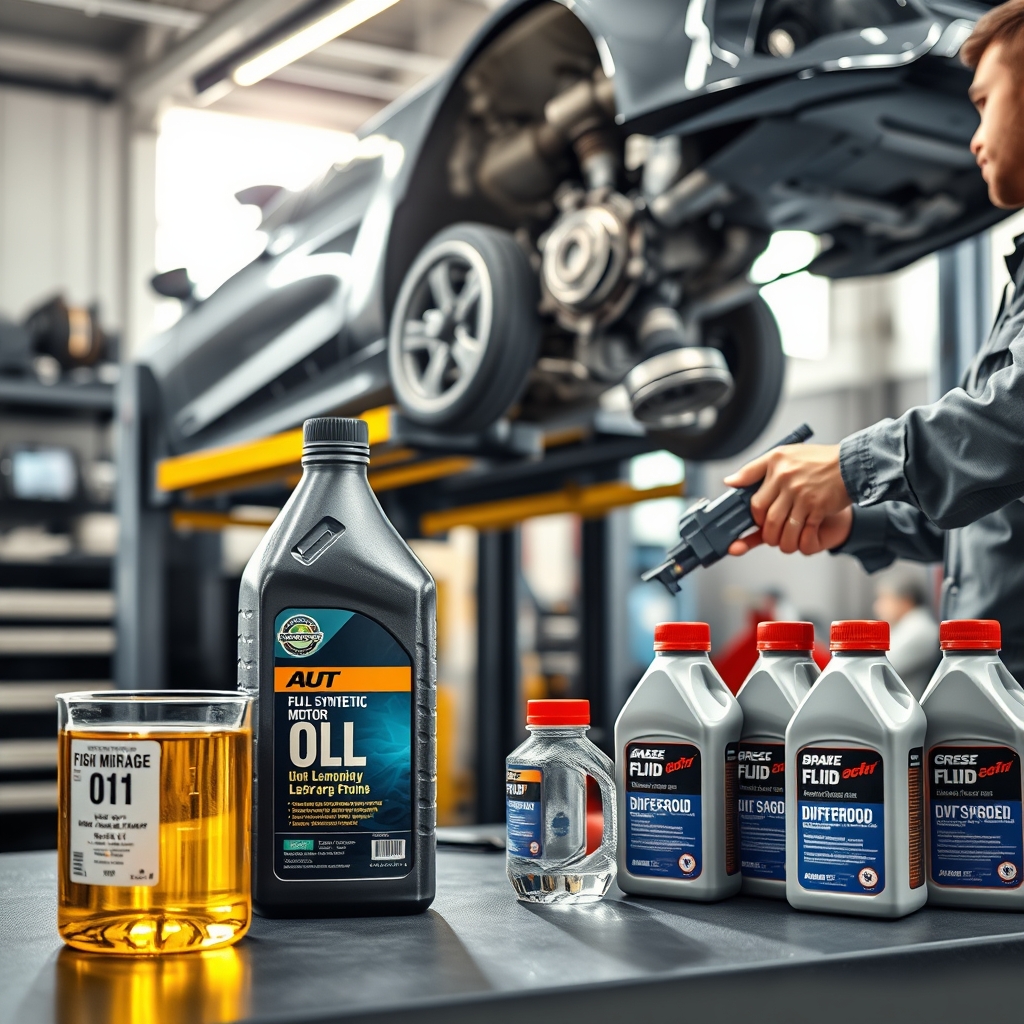
Then there’s the brake fluid, a hydraulic fluid that transfers the force from your brake pedal to the brake calipers. Over time, brake fluid absorbs moisture, which lowers its boiling point and reduces braking efficiency. A brake fluid service, which involves flushing the old fluid and replacing it with new, ensures your brakes remain responsive and reliable, especially in emergency situations. Similarly, a steering fluid flush keeps your power steering system operating smoothly, preventing stiffness and wear in the steering components.
The Grease That Keeps You Rolling
While fluids like oil and transmission fluid get most of the spotlight, grease is the unsung hero of your vehicle’s moving parts. Wheel bearing grease, for instance, ensures that your wheels spin freely and quietly, while CV joint boot grease protects the delicate joints that allow your wheels to turn and move up and down. A grease gun kit is an essential tool for any DIY mechanic, allowing you to apply the right amount of grease to these critical components. For high-performance applications, ceramic lubricant spray can provide superior protection under extreme conditions, reducing friction and wear in components like superchargers or turbochargers.
Sealing the Deal: Preventing Leaks Before They Start
Even the best fluids won’t do their job if they’re leaking out of your vehicle. Oil leaks are a common issue, especially in older cars, and they can lead to low oil levels, increased engine wear, and even environmental damage. An oil leak sealer can temporarily plug small leaks, but it’s not a permanent solution. For a more lasting fix, it’s important to identify the source of the leak—whether it’s a worn gasket, a cracked seal, or a loose oil filter—and address it directly. Regular inspections can help catch leaks early, before they become a major problem.
Leaks aren’t limited to engine oil, either. Transmission fluid leaks, differential fluid leaks, and even power steering fluid leaks can all cause serious damage if left unchecked. A periodic maintenance service that includes a thorough inspection of all fluid levels and potential leak points can save you from costly repairs down the road. It’s a small investment that pays off in the long run, keeping your vehicle running smoothly and reliably for years to come.
The Importance of a Holistic Approach
Maintaining your vehicle’s fluids isn’t just about topping them off when they’re low. It’s about understanding the unique role each fluid plays and giving it the care it deserves. From the engine oil that keeps your pistons moving smoothly to the brake fluid that ensures your car stops when you need it to, every fluid in your vehicle is part of a delicate ecosystem. Neglecting one can throw the entire system out of balance, leading to inefficiency, wear, and failure.
By adopting a proactive approach to fluid maintenance, you’re not just extending the life of your vehicle—you’re enhancing its performance, improving its reliability, and ensuring a smoother, safer driving experience. Whether it’s upgrading to a full synthetic oil, scheduling a transmission fluid service, or simply keeping an eye out for leaks, every small step you take adds up to a big difference. Your car works hard for you every day; it’s time to return the favor by giving it the care it deserves, one fluid at a time.