Beyond the Oil Change: Essential Fluid Services That Keep Your Car Running Like New
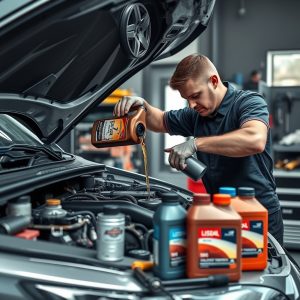
Most drivers know that regular oil changes are the cornerstone of vehicle maintenance, but what about the other fluids that keep your car’s critical systems running smoothly? While engine oil gets all the attention, neglecting transmission fluid, differential fluid, brake fluid, and other lubricants can lead to costly repairs and premature wear. Understanding these often-overlooked services can save you time, money, and the headache of unexpected breakdowns.
The Unsung Heroes: Fluids That Deserve Your Attention
Your vehicle relies on a network of fluids to operate efficiently, each serving a unique purpose. Engine oil may be the most familiar, but the others are just as vital. Here’s a breakdown of the key fluids and why they matter:
Transmission Fluid: The Lifeblood of Smooth Shifting
Transmission fluid lubricates the gears, clutches, and valves inside your transmission, ensuring smooth shifts and preventing overheating. Over time, this fluid breaks down, losing its ability to protect these components. A transmission fluid service—typically recommended every 30,000 to 60,000 miles—can prevent sluggish shifting, grinding noises, and even complete transmission failure. For vehicles with high mileage or heavy towing demands, more frequent changes may be necessary.
Differential Fluid: Keeping Your Wheels in Sync
The differential allows your wheels to rotate at different speeds, especially when turning. Differential fluid lubricates the gears inside this component, preventing wear and tear. Most manufacturers recommend changing this fluid every 30,000 to 50,000 miles, though off-road or performance vehicles may require more frequent attention. Ignoring this service can lead to whining noises, vibrations, or even a seized differential.
Brake Fluid: The Silent Guardian of Stopping Power
Brake fluid transfers the force from your brake pedal to the brake calipers, enabling your vehicle to stop. Over time, it absorbs moisture, which lowers its boiling point and reduces braking efficiency. A brake fluid service—usually every two years—flushes out the old fluid and replaces it with fresh, moisture-free fluid. This simple service can prevent spongy brakes, longer stopping distances, and corrosion in the brake system.
Power Steering Fluid: Effortless Control at Your Fingertips
Power steering fluid ensures that turning your wheel is smooth and effortless. As it ages, it can become contaminated with debris, leading to stiff steering or whining noises. A steering fluid flush—typically recommended every 50,000 miles—removes old fluid and replaces it with clean lubricant, restoring responsiveness and preventing damage to the power steering pump.
When to Upgrade: High-Performance and High-Mileage Solutions
Not all fluids are created equal. If your vehicle has high mileage or operates under demanding conditions, upgrading to specialized fluids can provide extra protection. Here’s when to consider making the switch:
High Mileage Oil: A Lifeline for Older Engines
Engines with over 75,000 miles often develop leaks and consume more oil due to worn seals and gaskets. High mileage oil contains additives that condition these seals, reducing leaks and oil consumption. It also includes detergents to clean sludge and deposits, helping your engine run more efficiently. If your car is showing signs of age, switching to high mileage oil can extend its lifespan.
Full Synthetic Oil: Maximum Protection for Modern Engines
Full synthetic oil offers superior protection against heat, friction, and wear compared to conventional oil. It flows better in cold temperatures and resists breakdown at high temperatures, making it ideal for turbocharged engines, performance vehicles, or extreme climates. While it’s more expensive, the long-term benefits—such as improved fuel efficiency and extended engine life—often justify the cost.
Specialized Additives: Boosting Performance and Longevity
Fuel additives, engine sludge cleaners, and oil leak sealers can address specific issues in your vehicle. Fuel additives improve combustion efficiency, reduce carbon buildup, and enhance fuel economy. Engine sludge cleaners dissolve harmful deposits that can clog oil passages and reduce engine performance. Oil leak sealers can temporarily stop minor leaks, buying you time until a permanent repair is possible. While these products aren’t a substitute for regular maintenance, they can be valuable tools in your car care arsenal.
Tools of the Trade: Essential Lubrication Equipment
Maintaining your vehicle’s fluids doesn’t always require a trip to the mechanic. With the right tools, you can tackle some of these tasks yourself. Here are a few essentials every DIYer should consider:
Grease Gun Kit: Keeping Moving Parts Well-Lubricated
A grease gun is indispensable for lubricating chassis components, ball joints, and universal joints. Regular greasing prevents squeaks, reduces wear, and extends the life of these parts. Look for a kit that includes a variety of fittings to ensure compatibility with your vehicle.
Wheel Bearing Grease: Protecting Your Wheels’ Lifeline
Wheel bearings allow your wheels to rotate smoothly, but they require proper lubrication to function correctly. High-quality wheel bearing grease resists heat and water, ensuring long-lasting protection. If you hear a humming noise from your wheels, it may be a sign that your bearings need attention.
Ceramic Lubricant Spray: A Versatile Solution for Tough Jobs
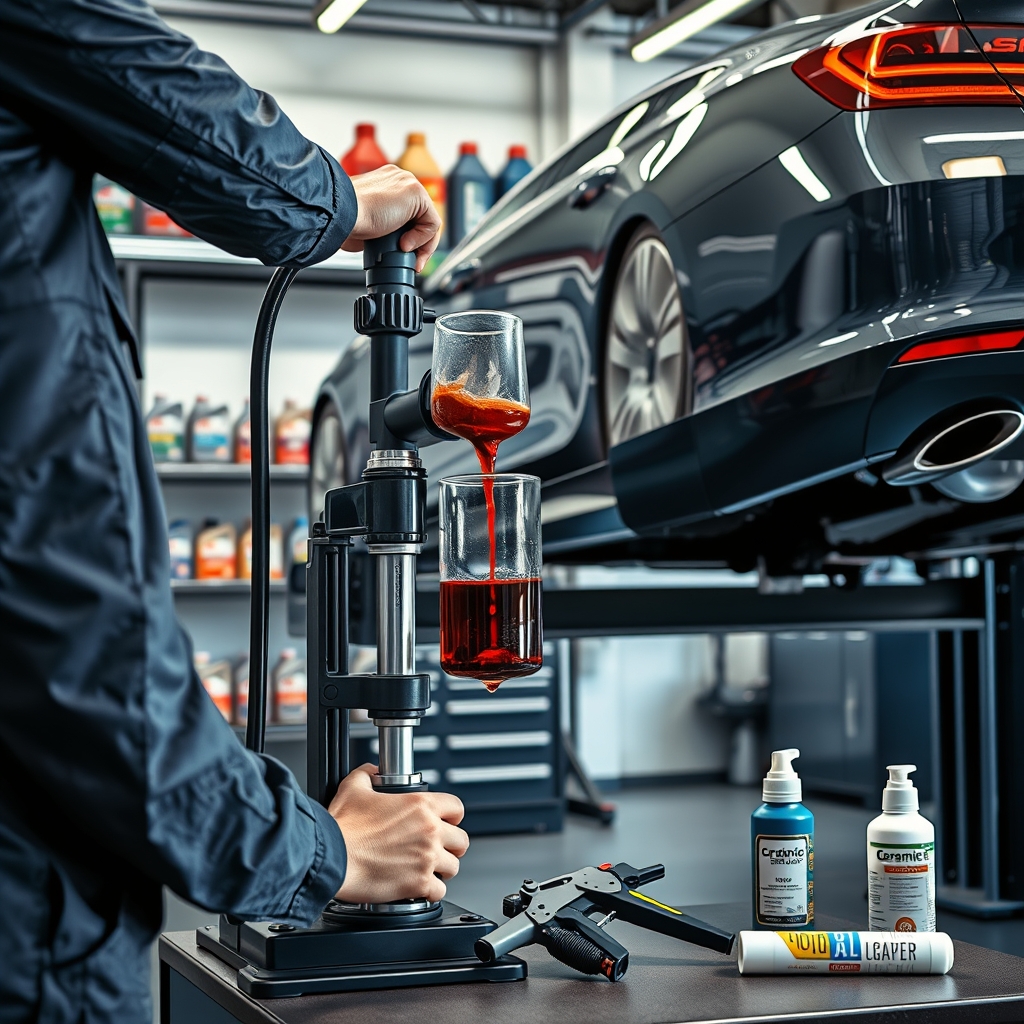
Ceramic lubricant spray is a multi-purpose product that can be used on door hinges, cables, and even electrical connections. Its dry, non-sticky formula provides long-lasting lubrication without attracting dirt or dust. It’s particularly useful for components exposed to high temperatures or harsh conditions.
Understanding Oil Viscosity: Choosing the Right Grade for Your Engine
Oil viscosity refers to how easily oil flows at different temperatures. The right viscosity grade ensures proper lubrication in both cold starts and high-temperature operation. Most modern vehicles specify a multi-grade oil, such as 5W-30 or 10W-40, where the first number indicates cold-weather flow and the second number represents high-temperature viscosity. Always consult your owner’s manual to select the correct grade for your engine. Using the wrong viscosity can lead to poor lubrication, increased wear, and reduced fuel efficiency.
Regular fluid maintenance is the key to keeping your vehicle running reliably for years to come. While oil changes are a great starting point, paying attention to transmission fluid, differential fluid, brake fluid, and other lubricants ensures that every part of your car operates at its best. Whether you’re driving a high-mileage daily commuter or a performance machine, investing in these services will pay off in the long run. The road ahead is smoother when you take the time to care for the fluids that keep your car moving forward.