The Invisible Architects: How Power Inverter Modules and On-Board Chargers Are Redefining Electric Vehicle Performance
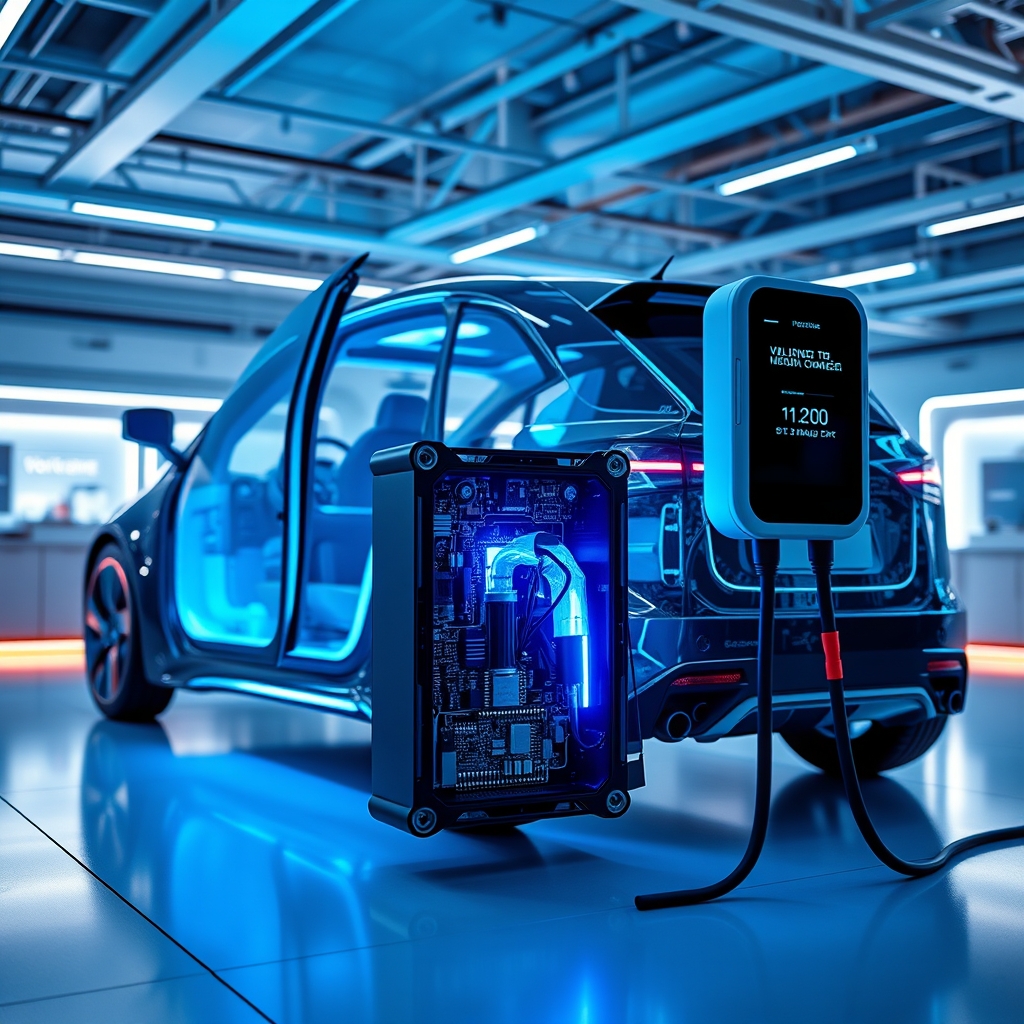
Electric vehicles (EVs) are often celebrated for their batteries, motors, and sleek designs, but beneath the surface lies a complex ecosystem of components that work in harmony to deliver efficiency, power, and reliability. Among these, the Power Inverter Module (PIM) and On-Board Charger (OBC) stand as unsung heroes, quietly transforming energy and enabling the seamless operation of modern EVs. Their roles are critical, yet frequently overlooked in discussions about electric mobility. Understanding their functions and advancements reveals how they are shaping the future of automotive engineering.
The Power Inverter Module: The Bridge Between Battery and Motion
At the heart of every electric vehicle is the need to convert direct current (DC) from the battery into alternating current (AC) to drive the electric motor. This is where the Power Inverter Module comes into play. The PIM is a sophisticated electronic device that not only converts DC to AC but also regulates the frequency and amplitude of the current to control the motor’s speed and torque. Without it, the energy stored in the battery would remain inert, unable to propel the vehicle forward.
Modern PIMs are marvels of engineering, incorporating advanced semiconductor technologies such as silicon carbide (SiC) and gallium nitride (GaN). These materials allow for higher efficiency, reduced heat generation, and compact designs, which are essential for optimizing vehicle performance and range. For instance, SiC-based inverters can operate at higher temperatures and voltages, reducing energy losses by up to 50% compared to traditional silicon-based inverters. This translates to longer driving ranges and faster charging times, addressing two of the most significant concerns for EV adopters.
Beyond efficiency, PIMs are also integral to the vehicle’s regenerative braking system. When the driver applies the brakes, the PIM reverses its function, converting the kinetic energy from the motor back into electrical energy to recharge the battery. This process not only improves energy efficiency but also extends the lifespan of the braking system, reducing maintenance costs for vehicle owners.
The On-Board Charger: Enabling Smart and Flexible Charging
While the PIM manages the flow of energy within the vehicle, the On-Board Charger is responsible for managing how that energy is replenished. The OBC is a critical component that converts AC from the power grid into DC to charge the vehicle’s battery. Its design and capabilities directly impact charging speed, efficiency, and compatibility with various charging infrastructures.
One of the most significant advancements in OBC technology is the shift toward higher power outputs. Early EVs were limited to slow charging due to the constraints of their on-board chargers, often requiring overnight charging for a full battery. Today, OBCs can handle power levels of up to 22 kW, enabling faster charging times and greater convenience for drivers. This is particularly important for long-distance travel, where quick top-ups at charging stations can make the difference between a seamless journey and a frustrating delay.
Moreover, modern OBCs are designed to be smarter and more adaptable. They can communicate with the vehicle’s Battery Management System (BMS) to optimize charging based on the battery’s state of health, temperature, and other factors. This ensures that the battery is charged in the most efficient and safe manner, prolonging its lifespan. Some advanced OBCs also support bi-directional charging, a feature that enables Vehicle-to-Grid (V2G) technology. With V2G, EVs can not only draw power from the grid but also feed excess energy back into it, turning vehicles into mobile energy storage units that can support grid stability and renewable energy integration.
Integration with Smart Charging Infrastructure
The evolution of OBCs is closely tied to the development of smart charging infrastructure. As charging networks become more sophisticated, OBCs are being designed to interact seamlessly with these systems. For example, smart chargers can adjust their output based on real-time electricity demand, reducing strain on the grid during peak hours. They can also take advantage of lower electricity rates during off-peak periods, further enhancing the cost-effectiveness of EV ownership.
Wireless vehicle charging is another emerging trend that relies on advanced OBC technology. While still in its early stages, wireless charging eliminates the need for physical cables, offering a more convenient and user-friendly experience. OBCs in wireless charging systems must be highly efficient to minimize energy losses during the inductive charging process, ensuring that the vehicle receives the maximum possible power.
The Synergy of PIM and OBC in Electric Vehicle Architecture
The true power of the Power Inverter Module and On-Board Charger lies in their synergy within the broader electric vehicle architecture. Together, they form a dynamic duo that ensures energy is not only stored and converted efficiently but also replenished in the most optimal way. This synergy is particularly evident in vehicles equipped with advanced thermal management systems, which maintain the ideal operating temperature for both the PIM and OBC, preventing overheating and ensuring consistent performance.
For instance, in a high-performance EV, the PIM must deliver rapid acceleration and high torque, which generates significant heat. The thermal management system works in tandem with the PIM to dissipate this heat, while the OBC ensures that the battery is charged efficiently to support these demands. This interconnectedness highlights the importance of a holistic approach to EV design, where every component is engineered to work in harmony with the others.
Future Innovations and Challenges
As the automotive industry continues to push the boundaries of electric mobility, the PIM and OBC are poised to undergo further transformations. One area of focus is the integration of artificial intelligence (AI) and machine learning into these components. AI-driven PIMs and OBCs could optimize energy conversion and charging processes in real-time, adapting to driving conditions, battery health, and even the driver’s habits. This would not only improve efficiency but also enhance the overall driving experience.
However, these advancements are not without challenges. The increasing complexity of PIMs and OBCs requires robust cybersecurity measures to protect against potential threats, such as hacking or unauthorized access. Additionally, the shift toward higher power levels and faster charging speeds demands innovations in materials and cooling technologies to manage heat and ensure safety. Automotive engineers are rising to these challenges, exploring new materials like graphene and advanced cooling techniques such as liquid immersion cooling to keep pace with the demands of next-generation EVs.
The journey of electric vehicles from niche to mainstream is a testament to the relentless innovation driving the automotive industry. While the spotlight often shines on batteries and motors, it is the unseen components like the Power Inverter Module and On-Board Charger that truly enable the magic of electric mobility. As these technologies continue to evolve, they will not only enhance the performance and efficiency of EVs but also pave the way for a more sustainable and connected future. The road ahead is electric, and it is powered by the invisible architects that make it all possible.