The Next Frontier: How Predictive Engine Performance is Unlocking Unprecedented Fuel Efficiency
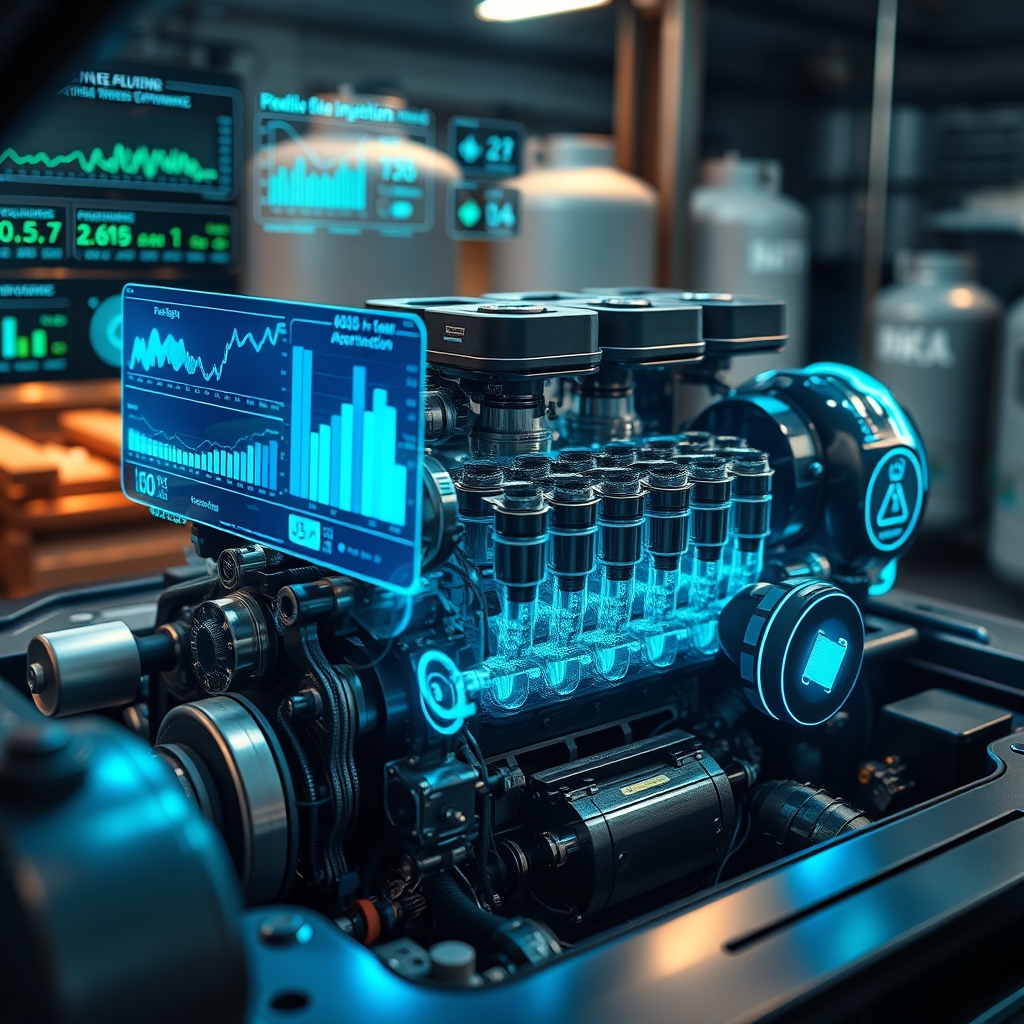
In an era where efficiency and sustainability are no longer optional but essential, the automotive and industrial engine sectors are undergoing a profound transformation. At the heart of this shift lies predictive engine performance, a revolutionary approach that leverages cutting-edge technology to optimize fuel consumption, reduce emissions, and enhance overall engine intelligence. By integrating real-time data analytics, machine learning, and adaptive control systems, predictive engine performance is setting new benchmarks for what engines can achieve—without compromising power or reliability.
The Science Behind Predictive Engine Performance
Predictive engine performance is built on the foundation of data-driven fuel analytics and advanced combustion analysis. Traditional engines operate on static maps and predefined parameters, which, while effective, leave little room for adaptation to real-world variables such as load fluctuations, environmental conditions, or fuel quality. Predictive systems, however, continuously monitor these variables through an array of sensors and use sophisticated algorithms to adjust engine parameters in real time.
For instance, adaptive fuel injection systems can dynamically alter injection timing, pressure, and duration based on the engine’s immediate needs. This ensures that fuel is burned more completely, reducing waste and improving thermal efficiency. Similarly, responsive engine calibration allows the system to fine-tune air-fuel ratios, ignition timing, and turbocharger boost levels, all of which contribute to optimized combustion efficiency. The result? Engines that not only perform better but also consume less fuel and emit fewer pollutants.
Real-Time Monitoring and Dynamic Optimization
One of the most significant advantages of predictive engine performance is its ability to provide real-time fuel monitoring. Unlike traditional systems that rely on periodic diagnostics, predictive engines continuously analyze data from sensors embedded throughout the engine and exhaust system. This data is then processed by AI-driven platforms that can detect even the slightest deviations from optimal performance, allowing for immediate corrective action.
For example, if a sensor detects an increase in exhaust gas temperature, the system can automatically adjust the fuel-air mixture to prevent overheating and potential engine damage. Similarly, if the system identifies a pattern of inefficient combustion, it can recalibrate the engine to improve seamless fuel utilization. This level of dynamic fuel optimization ensures that the engine is always operating at peak efficiency, regardless of external conditions or operational demands.
The Role of Machine Learning in Engine Intelligence
At the core of predictive engine performance is machine learning, a subset of artificial intelligence that enables systems to learn from data and improve over time. By analyzing vast amounts of historical and real-time data, machine learning algorithms can identify trends and patterns that would be impossible for human engineers to detect. This allows the system to make increasingly accurate predictions about engine behavior and fuel consumption.
For instance, machine learning can predict when an engine component is likely to fail, enabling predictive maintenance insights that prevent costly downtime and extend the engine’s lifespan. It can also optimize fuel consumption based on driving or operational patterns, ensuring that the engine uses the least amount of fuel necessary to achieve the desired performance. This not only reduces operational costs but also contributes to carbon footprint reduction by minimizing unnecessary fuel burn.
Sustainable Fuel Integration: The Future of Eco-Conscious Engine Operation
Predictive engine performance is not just about optimizing traditional fuels—it’s also about paving the way for sustainable fuel integration. As the world shifts toward renewable and low-carbon fuels, engines must adapt to handle these new energy sources efficiently. Predictive systems are uniquely equipped to manage this transition by dynamically adjusting engine parameters to accommodate the unique properties of biofuels, hydrogen, or synthetic fuels.
For example, biofuels often have different combustion characteristics than conventional diesel or gasoline. A predictive engine can detect these differences and adjust injection timing, air-fuel ratios, and other parameters to ensure optimal combustion. This not only improves efficient power delivery but also reduces the risk of engine damage or inefficiency. By enabling eco-conscious engine operation, predictive performance systems are helping to bridge the gap between traditional and sustainable energy sources.
Enhancing Thermal Efficiency Through Precision Tuning
Thermal efficiency—the measure of how well an engine converts fuel into usable energy—is a critical factor in overall engine performance. Predictive engine systems enhance thermal efficiency through precision engine tuning, which involves fine-tuning every aspect of the combustion process. This includes optimizing the timing of fuel injection, adjusting the compression ratio, and managing exhaust gas recirculation (EGR) to reduce heat loss and improve energy conversion.
By leveraging integrated engine diagnostics, predictive systems can identify areas where thermal efficiency is being lost and make real-time adjustments to mitigate these losses. For example, if the system detects that excess heat is being wasted through the exhaust, it can adjust the turbocharger or EGR system to recover some of that energy. This not only improves fuel efficiency but also enhances the engine’s overall performance and longevity.
The Broader Impact: From Cost Savings to Environmental Stewardship
The benefits of predictive engine performance extend far beyond the engine itself. For businesses, the ability to optimize fuel consumption and reduce maintenance costs translates into significant financial savings. For the environment, the reduction in fuel consumption and emissions contributes to a smaller carbon footprint and a more sustainable future. And for end-users, whether they’re driving a car or operating heavy machinery, the result is a smoother, more reliable, and more efficient experience.
As technology continues to evolve, the potential for predictive engine performance will only grow. Future advancements in AI, sensor technology, and data analytics will enable even more precise control over engine operations, further pushing the boundaries of what’s possible in terms of efficiency and sustainability. The engines of tomorrow will not just be machines—they will be intelligent systems capable of adapting, learning, and optimizing in ways we are only beginning to imagine. The journey toward a more efficient and eco-friendly future is well underway, and predictive engine performance is leading the charge, one optimized combustion cycle at a time.