Beyond the Gauge: How Adaptive Fuel Injection is Reshaping Engine Efficiency
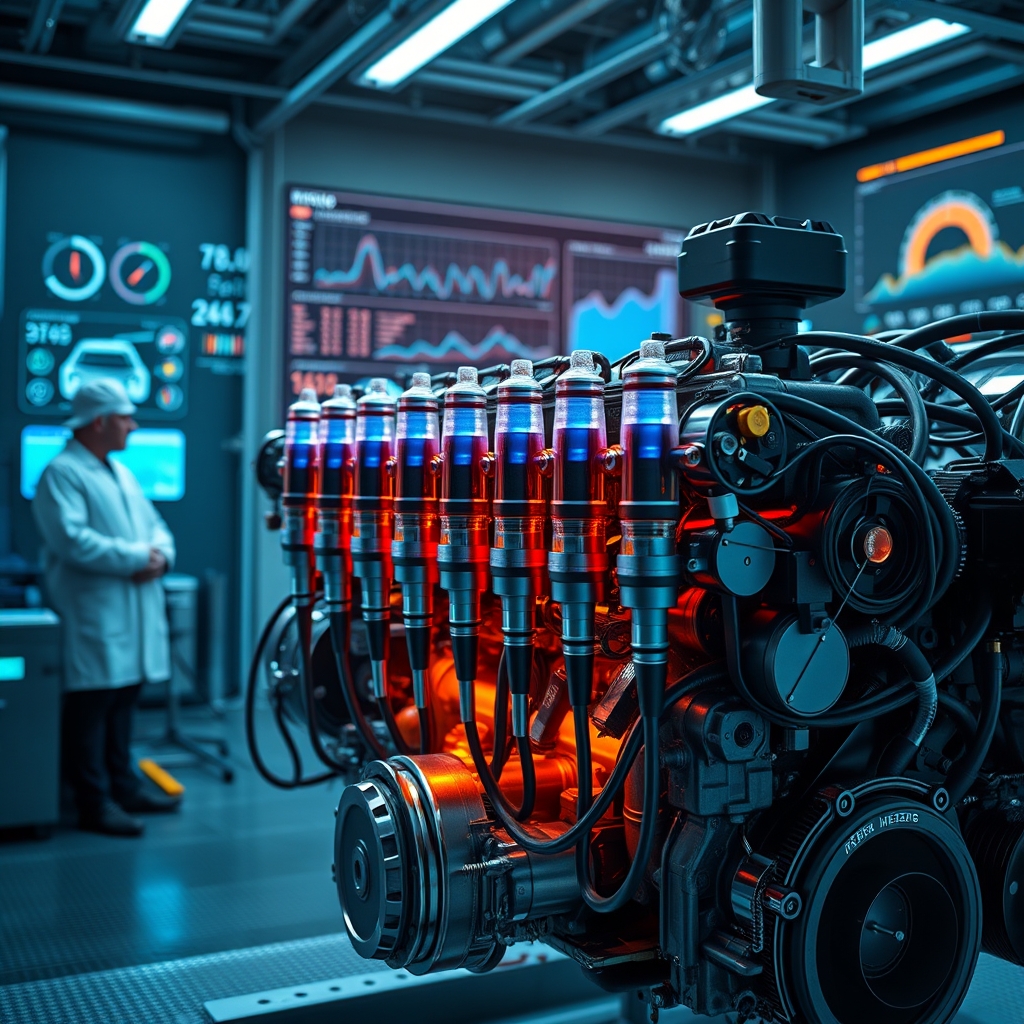
The modern engine is no longer just a mechanical marvel; it is a dynamic, data-driven ecosystem where every drop of fuel is scrutinized, optimized, and harnessed for maximum performance. At the heart of this transformation lies adaptive fuel injection, a technology that is redefining what it means to achieve optimized combustion efficiency. By seamlessly integrating real-time data with precision engineering, adaptive fuel injection systems are pushing the boundaries of what engines can achieve—delivering power, sustainability, and reliability in ways previously thought impossible.
The Science Behind Adaptive Fuel Injection
Traditional fuel injection systems operate on static maps and pre-programmed settings, which, while effective, leave little room for adaptation. These systems rely on generalized data, often leading to inefficiencies when faced with variables like altitude, temperature, or fuel quality. Adaptive fuel injection, on the other hand, is a living system. It continuously monitors engine parameters—such as air-fuel ratio, combustion pressure, and exhaust gas composition—and adjusts fuel delivery in real time. This responsive engine calibration ensures that the engine operates at its peak efficiency, regardless of external conditions.
The core of this technology lies in its ability to process vast amounts of data through predictive engine performance algorithms. Sensors embedded throughout the engine feed information into a central control unit, which uses machine learning to predict optimal fuel delivery. For example, if the system detects a lean air-fuel mixture, it can instantly compensate by increasing fuel flow, preventing misfires and reducing harmful emissions. This level of precision engine tuning was once the domain of high-end racing engines but is now becoming a standard feature in consumer vehicles and industrial machinery alike.
Real-Time Fuel Monitoring: The Backbone of Efficiency
One of the most groundbreaking aspects of adaptive fuel injection is its reliance on real-time fuel monitoring. Unlike traditional systems that rely on periodic diagnostics, adaptive systems provide a continuous stream of data, allowing for immediate adjustments. This capability is particularly valuable in applications where fuel quality can vary significantly, such as in marine engines or generators operating in remote locations. By dynamically adjusting to the fuel’s properties, the engine can maintain consistent performance while minimizing waste.
This real-time monitoring also plays a crucial role in carbon footprint reduction. By ensuring that fuel is burned as efficiently as possible, adaptive systems reduce the amount of unburned hydrocarbons and other pollutants released into the atmosphere. This not only benefits the environment but also helps operators comply with increasingly stringent emissions regulations. In industries where fuel costs represent a significant portion of operational expenses, the ability to maximize efficient power delivery can translate into substantial savings over time.
Sustainable Fuel Integration: A New Frontier
The rise of sustainable fuels—such as biodiesel, ethanol blends, and hydrogen—has introduced new challenges for engine designers. These fuels often have different combustion characteristics compared to traditional petroleum-based fuels, requiring engines to adapt on the fly. Adaptive fuel injection systems are uniquely equipped to handle this variability. By continuously analyzing combustion data, these systems can adjust injection timing, pressure, and duration to optimize performance for whatever fuel is being used.
For instance, biodiesel has a higher viscosity and lower energy content than diesel, which can lead to incomplete combustion if not properly managed. An adaptive system can detect these differences and modify its parameters to ensure complete fuel burn, thereby maintaining power output and reducing soot formation. This sustainable fuel integration is a critical step toward a future where engines can seamlessly transition between different fuel sources without sacrificing performance or efficiency.
Predictive Maintenance: The Proactive Approach
Another significant advantage of adaptive fuel injection is its ability to provide predictive maintenance insights. By continuously monitoring engine performance, these systems can detect subtle changes that may indicate impending issues—such as injector wear, fuel pump degradation, or sensor malfunctions. Instead of waiting for a failure to occur, operators can address these issues proactively, reducing downtime and extending the engine’s lifespan.
This predictive capability is particularly valuable in industries where engine reliability is critical, such as aviation, shipping, and power generation. For example, a commercial airline can use adaptive fuel injection data to schedule maintenance during routine inspections, rather than dealing with unexpected failures mid-flight. This not only improves safety but also reduces operational costs by minimizing unscheduled repairs.
Dynamic Fuel Optimization: The Path to High Performance
At its core, adaptive fuel injection is about achieving dynamic fuel optimization. This means that the engine is not just optimized for a single operating condition but can adapt to a wide range of scenarios—from idling in traffic to high-speed highway driving. By dynamically adjusting fuel delivery, the engine can deliver the right amount of power at the right time, without wasting fuel or compromising performance.
This level of optimization is achieved through a combination of advanced sensors, high-speed processors, and sophisticated algorithms. The system continuously analyzes data from the engine, the vehicle’s onboard computers, and even external factors like weather conditions or road grade. This data-driven fuel analytics approach ensures that the engine is always operating at its most efficient point, regardless of the situation.
The Future of Intelligent Fuel Management
As engines become more complex and the demand for efficiency grows, the role of adaptive fuel injection will only become more critical. Future advancements in this technology may include even more sophisticated machine learning models, capable of predicting engine behavior with unprecedented accuracy. We may also see greater integration with other vehicle systems, such as hybrid powertrains or autonomous driving features, creating a truly holistic approach to intelligent fuel management.
Moreover, as the world shifts toward a more sustainable future, adaptive fuel injection will play a key role in enabling the widespread adoption of alternative fuels. By ensuring that engines can adapt to whatever fuel is available, this technology will help bridge the gap between traditional and renewable energy sources, making it easier for industries to transition toward greener operations.
The journey toward eco-conscious engine operation is not just about reducing emissions or improving fuel economy—it is about reimagining what engines can do. Adaptive fuel injection is at the forefront of this revolution, proving that with the right technology, even the most traditional systems can evolve into something smarter, more efficient, and more sustainable. As we look to the future, one thing is clear: the engines of tomorrow will not just consume fuel—they will understand it, adapt to it, and harness it in ways we are only beginning to imagine.