Charging Ahead: How Smart Charging Infrastructure and Vehicle-to-Grid Technology Are Redefining Energy on the Move
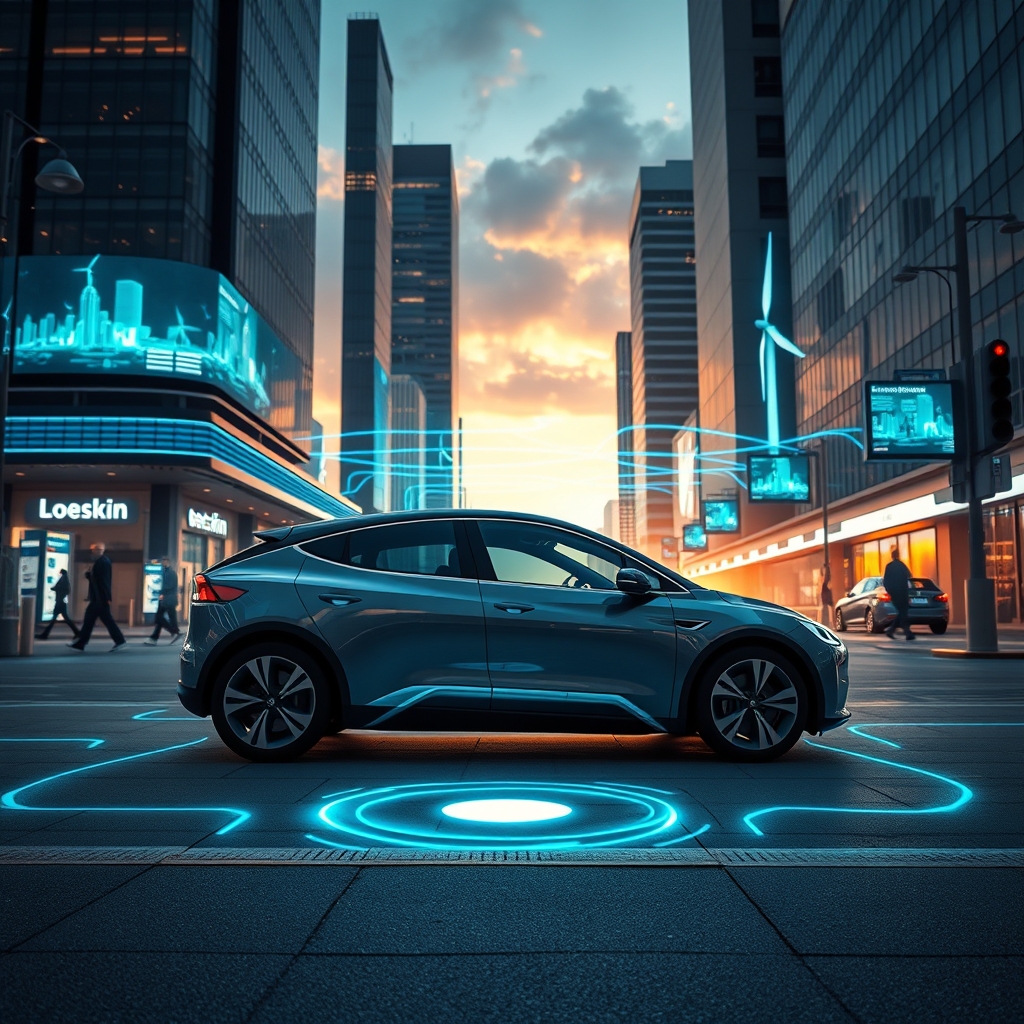
The electric vehicle (EV) revolution is not just about the cars themselves—it’s about the entire ecosystem that supports them. At the heart of this transformation lies smart charging infrastructure, a network of intelligent systems designed to optimize energy distribution, reduce costs, and minimize environmental impact. Unlike traditional charging stations, smart chargers leverage real-time data, machine learning, and grid integration to deliver power more efficiently. This shift is not merely an upgrade; it’s a fundamental reimagining of how energy flows between vehicles, homes, and the electrical grid.
The Rise of Smart Charging: More Than Just Plugging In
Smart charging infrastructure goes beyond the basic function of replenishing an EV’s battery. These systems are equipped with bi-directional communication capabilities, allowing them to interact with the grid, utility providers, and even the vehicle itself. For instance, smart chargers can adjust charging speeds based on grid demand, prioritizing off-peak hours when electricity is cheaper and more abundant. This dynamic approach not only reduces strain on the grid but also lowers costs for consumers, making EV ownership more accessible.
Moreover, smart chargers can integrate with renewable energy sources, such as solar or wind power. By syncing with home energy management systems, they ensure that EVs are charged using clean energy whenever possible. This synergy between smart charging and renewables is a game-changer, as it accelerates the transition away from fossil fuels and toward a more sustainable energy future.
Vehicle-to-Grid (V2G): Turning EVs into Mobile Power Plants
One of the most revolutionary aspects of smart charging is Vehicle-to-Grid (V2G) technology. V2G enables EVs to not only draw power from the grid but also feed it back when needed. Imagine your car sitting in the driveway, not just as a mode of transportation, but as a mobile energy storage unit capable of powering your home during a blackout or selling excess energy back to the grid during peak demand.
This two-way energy flow has profound implications. For utilities, V2G can help balance supply and demand, reducing the need for expensive and polluting peaker plants. For EV owners, it opens up new revenue streams—imagine getting paid to let your car supply energy to the grid when prices are high. Pilot programs in cities like Utrecht and Los Angeles have already demonstrated the feasibility of V2G, with participants earning hundreds of dollars annually by participating in grid stabilization efforts.
The Role of Advanced Hardware in Smart Charging
Behind the scenes, smart charging infrastructure relies on a suite of advanced hardware components to function seamlessly. Power Inverter Modules (PIMs) and On-Board Chargers (OBCs) are critical in converting and managing the flow of electricity between the grid and the vehicle. These components must be highly efficient to minimize energy loss during charging and discharging cycles, especially in V2G applications.
Another key player is the Battery Management System (BMS), which monitors the health and performance of the EV’s battery. In a smart charging context, the BMS communicates with the charger to optimize charging parameters, ensuring the battery is charged safely and efficiently. This is particularly important for solid-state batteries, which promise higher energy densities and faster charging times but require precise thermal and voltage management to prevent degradation.
Wireless Charging: The Next Frontier
While plug-in chargers dominate the market today, wireless vehicle charging is poised to become a major disruptor. Using electromagnetic induction, wireless chargers eliminate the need for physical connections, making the charging process as simple as parking over a designated pad. This technology is already being tested in public transit systems, where buses can charge wirelessly at stops, extending their range without the need for lengthy plug-in sessions.
For consumer EVs, wireless charging could revolutionize urban mobility. Imagine driving into a parking garage where your car automatically starts charging as soon as you park—no cables, no hassle. Companies like WiTricity and Qualcomm are leading the charge in this space, developing systems that can deliver power at efficiencies comparable to traditional wired chargers. As the technology matures, wireless charging could become a standard feature in homes, offices, and public spaces, further integrating EVs into our daily lives.
Overcoming Challenges: Grid Capacity and Standardization
Despite its promise, smart charging infrastructure faces significant challenges. One of the most pressing is grid capacity. As EV adoption grows, so does the demand for electricity, particularly in urban areas where grid infrastructure may already be strained. Upgrading the grid to handle this increased load will require substantial investment, as well as coordination between utilities, governments, and private companies.
Another hurdle is standardization. With multiple charging protocols and communication standards in use, interoperability between different EVs and chargers can be a challenge. Efforts like the Combined Charging System (CCS) and CHAdeMO are working to create universal standards, but widespread adoption will take time. Additionally, cybersecurity is a growing concern, as smart chargers and V2G systems become targets for hackers seeking to disrupt energy distribution.
The Road Ahead: A Smarter, More Connected Energy Ecosystem
The future of smart charging and V2G technology is not just about convenience—it’s about creating a more resilient, sustainable, and decentralized energy system. By turning EVs into active participants in the grid, we can reduce our reliance on fossil fuels, lower energy costs, and build a more flexible infrastructure capable of adapting to future demands. Cities like Amsterdam and Copenhagen are already leading the way, with ambitious plans to integrate smart charging into their broader smart city initiatives.
As these technologies continue to evolve, collaboration between automakers, energy providers, and policymakers will be essential. Incentives for V2G participation, investments in grid modernization, and public awareness campaigns will all play a role in accelerating adoption. The shift toward smart charging is not just a technological upgrade—it’s a cultural one, redefining our relationship with energy and mobility. With each innovation, we move closer to a world where our vehicles are not just modes of transport, but integral components of a smarter, cleaner energy future.