The Power of Precision: How Advanced Fuel Additives Maximize Engine Efficiency and Environmental Harmony
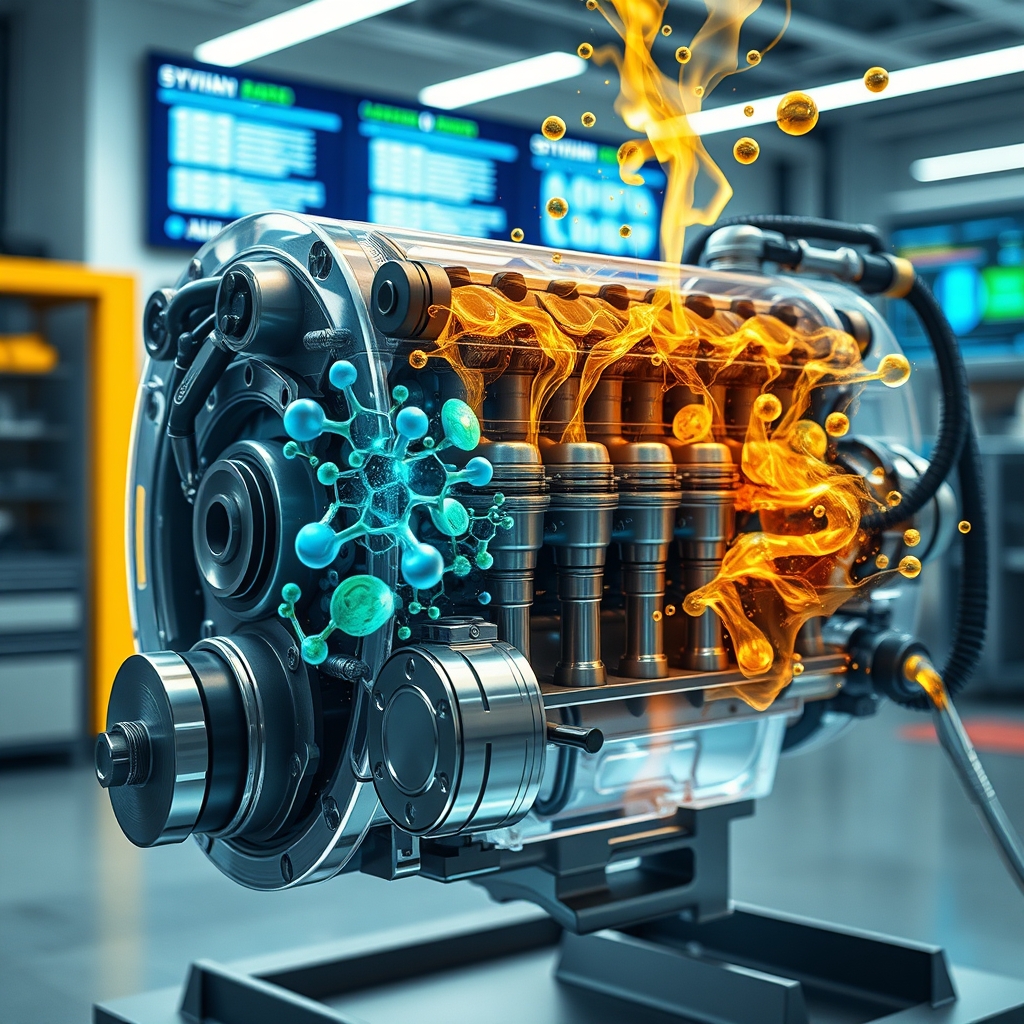
Modern engines are marvels of engineering, designed to deliver power, efficiency, and reliability. Yet, even the most advanced powertrains can fall victim to the silent culprits of inefficiency: carbon deposits, fuel degradation, and friction. These issues not only diminish performance but also contribute to higher emissions and increased fuel consumption. Fortunately, the latest generation of fuel additives is engineered to tackle these challenges head-on, offering a blend of chemistry and innovation that enhances engine health while aligning with environmental goals.
The Role of Fuel Additives in Modern Engines
Fuel additives are specialized compounds formulated to improve the quality and performance of fuel. They serve multiple purposes, from cleaning fuel injectors to stabilizing fuel during storage, and even modifying friction within the engine. As engines evolve—becoming more complex and efficient—the additives designed to support them have also advanced. Today’s formulations are not just about maintaining performance; they’re about pushing the boundaries of what engines can achieve while minimizing their environmental footprint.
Carbon Deposit Removers: Restoring Engine Vitality
Carbon deposits are a common byproduct of combustion, accumulating over time on critical engine components like pistons, valves, and fuel injectors. These deposits act as insulators, disrupting heat dissipation and altering the precise air-fuel mixture required for optimal combustion. The result? Reduced power, rough idling, and increased emissions. Carbon deposit removers, often containing polyetheramine or other advanced detergents, work by breaking down these stubborn deposits, restoring engine efficiency, and preventing future buildup. For drivers, this translates to smoother acceleration, improved fuel economy, and a longer engine lifespan.
Octane and Cetane Boosters: Tailoring Fuel for Performance
Not all fuels are created equal, and sometimes, the standard octane or cetane ratings of gasoline or diesel aren’t enough to meet an engine’s demands. Octane boosters are designed to increase the octane rating of gasoline, reducing the risk of engine knocking—a condition where fuel ignites prematurely, causing damage over time. Similarly, cetane improvers enhance the ignition quality of diesel fuel, ensuring faster and more complete combustion. This is particularly beneficial in cold weather, where diesel engines can struggle to start. By optimizing the fuel’s properties, these additives help engines perform at their best, whether on the highway or in demanding conditions.
Friction Modifiers: The Unsung Heroes of Engine Longevity
Friction is the enemy of efficiency. Every moving part in an engine generates friction, which not only wastes energy but also accelerates wear and tear. Friction modifiers, often containing molybdenum or other advanced compounds, create a protective layer on metal surfaces, reducing resistance and minimizing heat buildup. This not only improves fuel efficiency but also extends the life of critical engine components. In high-performance or heavy-duty engines, where stress levels are elevated, friction modifiers can make a significant difference in reliability and durability.
Eco-Friendly Additives: Balancing Performance and Sustainability
The shift toward sustainability has led to the development of eco-friendly fuel additives that deliver performance benefits without compromising environmental responsibility. Bio cetane boosters, for example, are derived from renewable sources and enhance diesel fuel’s ignition quality while reducing emissions. Similarly, oxygenated fuel additives, such as ethanol treatments, improve combustion efficiency, leading to cleaner exhaust and lower carbon monoxide emissions. These additives are particularly valuable in regions with strict emissions regulations, where every drop of fuel must be optimized for both performance and environmental impact.
Fuel Stabilizers: Preserving Fuel Quality Over Time
Fuel doesn’t last forever. Over time, gasoline and diesel can degrade, leading to the formation of gums and varnishes that clog fuel systems and injectors. This is especially problematic for vehicles or equipment that sit idle for extended periods, such as seasonal machinery or classic cars. Fuel stabilizers are designed to slow down the oxidation process, keeping fuel fresh and preventing the buildup of harmful deposits. By preserving fuel quality, these additives ensure that engines start smoothly and run efficiently, even after long periods of storage.
Graphene and Synthetic Additives: The Future of Fuel Technology
The next frontier in fuel additives lies in cutting-edge materials like graphene and synthetic compounds. Graphene, a single layer of carbon atoms, is being explored for its potential to reduce friction and improve thermal conductivity within engines. Synthetic fuel additives, meanwhile, are engineered at the molecular level to deliver precise benefits, such as enhanced lubricity or improved combustion efficiency. These innovations represent a leap forward in additive technology, offering the promise of even greater performance gains and environmental benefits.
Choosing the Right Additive for Your Engine
With so many options available, selecting the right fuel additive can feel overwhelming. The key is to match the additive to your engine’s specific needs. For example, a high-mileage gasoline engine may benefit from a carbon deposit remover and friction modifier, while a diesel truck operating in cold climates might require a cetane improver and anti-gel additive. Always look for products that are compatible with your engine type and fuel system, and consider additives that have been tested and certified by reputable organizations. Consulting your vehicle’s manual or a trusted mechanic can also provide valuable guidance.
Engines are the heart of our vehicles, and their performance is directly tied to the quality of the fuel and additives we use. By leveraging the latest advancements in fuel additive technology, drivers can unlock hidden potential in their engines—achieving better fuel economy, lower emissions, and a longer lifespan. Whether it’s through carbon deposit removers, octane boosters, or eco-friendly formulations, these additives are more than just chemicals; they’re tools for precision engineering. As the automotive industry continues to evolve, so too will the additives that keep our engines running smoothly, efficiently, and sustainably. The road ahead is paved with innovation, and the right fuel additive can help you navigate it with confidence.