The Hidden Backbone of Electric Vehicles: How Advanced Systems Power the Future of Mobility
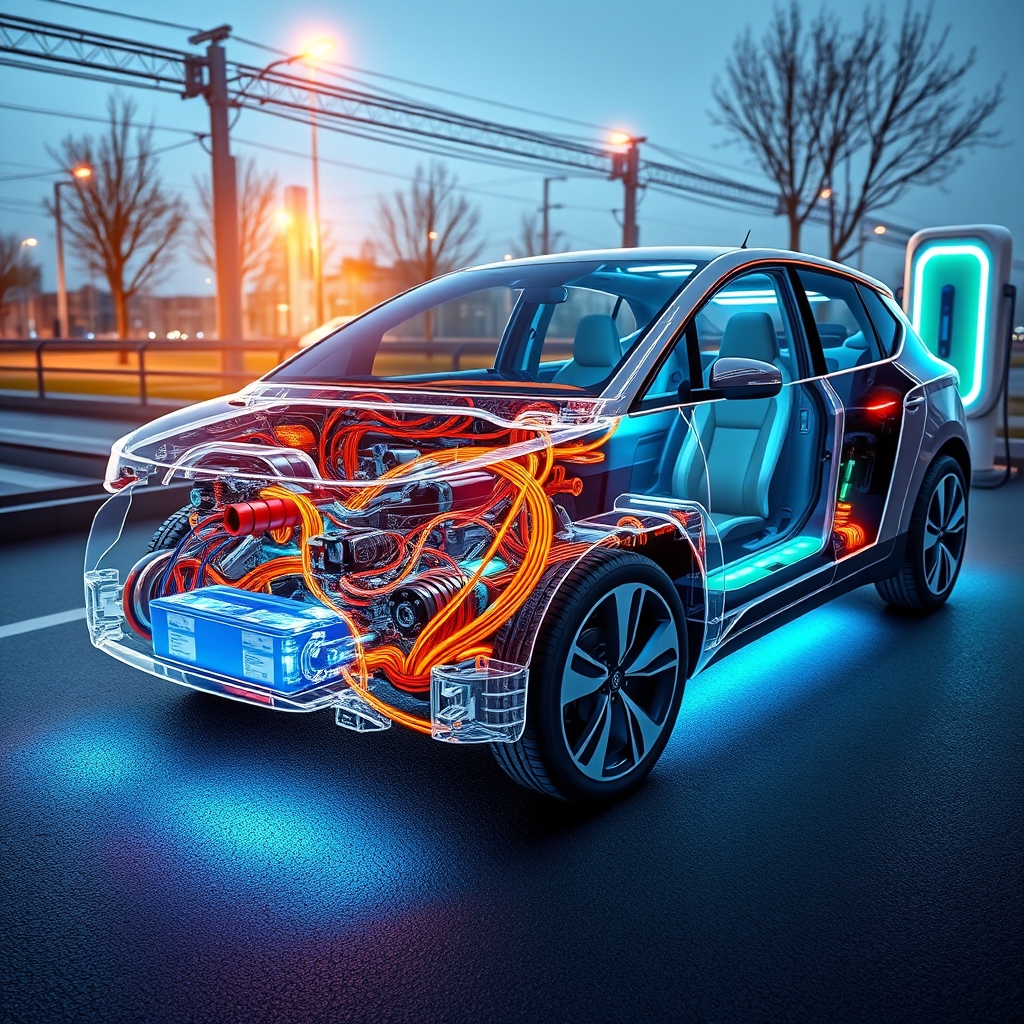
The transition from internal combustion engines to electric powertrains is not just a shift in fuel source—it’s a complete reimagining of automotive architecture. While the sleek exteriors and impressive acceleration of electric vehicles (EVs) capture public attention, the true marvel lies beneath the surface. A complex network of cutting-edge systems works in unison to deliver efficiency, safety, and performance. These innovations are the unsung heroes of the EV revolution, quietly redefining what it means to drive.
The Heart of the Matter: Solid State Batteries and Beyond
At the core of every electric vehicle is its battery, and the evolution from lithium-ion to solid-state technology promises to be a game-changer. Solid-state batteries replace the liquid or gel electrolyte found in conventional lithium-ion cells with a solid material, such as ceramic or polymer. This shift eliminates many of the limitations that have plagued EVs for years. For starters, solid-state batteries offer significantly higher energy density, meaning they can store more power in a smaller, lighter package. This translates to longer driving ranges—potentially exceeding 600 miles on a single charge—without increasing the vehicle’s weight or footprint.
Safety is another critical advantage. Traditional lithium-ion batteries are prone to thermal runaway, a dangerous chain reaction that can lead to fires. Solid-state batteries, by contrast, are far more stable and less susceptible to overheating. They also charge faster, with some prototypes demonstrating the ability to reach 80% capacity in under 15 minutes. While challenges remain—such as scaling production and reducing costs—the potential of solid-state batteries to revolutionize EVs is undeniable. Automakers and tech companies are racing to bring this technology to market, and the first commercial vehicles featuring solid-state batteries could arrive within the next few years.
The Brain and Nervous System: Electronic Control Units and Sensor Networks
An electric vehicle is not just a collection of hardware; it’s a highly integrated digital ecosystem. At the center of this ecosystem is the Electronic Control Unit (ECU), a specialized computer that manages everything from battery performance to regenerative braking. Modern EVs can contain over 100 ECUs, each dedicated to a specific function, such as controlling the power inverter module, managing the thermal management system, or overseeing the advanced driver assistance systems (ADAS). These ECUs communicate via the Controller Area Network (CAN) bus, a robust and efficient protocol designed to handle the high-speed data transfer required in automotive applications.
The automotive sensor network acts as the vehicle’s sensory system, constantly gathering data from the environment and the car’s internal components. LiDAR, radar, ultrasonic sensors, and cameras work together to enable features like adaptive cruise control, lane-keeping assist, and autonomous parking. These sensors generate vast amounts of data, which the ECUs process in real-time to make split-second decisions. For example, the sensor network can detect an obstacle in the road and trigger the regenerative braking system to slow the vehicle while simultaneously alerting the driver. As autonomous driving technology advances, the role of sensor networks and ECUs will only become more critical, transforming vehicles into highly intelligent machines capable of navigating complex environments with minimal human intervention.
The Wiring Harness: The Unsung Hero of EV Architecture
The automotive wiring harness is often overlooked, but it is one of the most complex and essential components of an electric vehicle. This intricate network of cables, connectors, and terminals serves as the circulatory system of the car, transmitting power and data between the battery, ECUs, sensors, and other critical systems. In an EV, the wiring harness must handle high-voltage currents—often exceeding 400 volts—while also managing low-voltage signals for sensors and control modules. This dual requirement demands a level of precision and durability that far exceeds the needs of traditional internal combustion vehicles.
Designing a wiring harness for an EV is a monumental task. Engineers must account for factors such as electromagnetic interference (EMI), thermal management, and physical space constraints. High-voltage cabling, for instance, must be shielded to prevent interference with sensitive electronic components, while also being flexible enough to navigate the tight confines of the vehicle’s chassis. Additionally, the wiring harness must be lightweight to avoid adding unnecessary bulk, which could reduce the vehicle’s range. Advances in materials science, such as the use of aluminum conductors and lightweight insulation, are helping to address these challenges, but the wiring harness remains one of the most labor-intensive and costly components in an EV.
Charging Into the Future: Smart Infrastructure and Vehicle-to-Grid Technology
The success of electric vehicles hinges not only on the cars themselves but also on the infrastructure that supports them. Smart charging infrastructure is rapidly evolving to meet the demands of a growing EV market. Unlike traditional charging stations, smart chargers are equipped with advanced features such as bi-directional power flow, dynamic load balancing, and connectivity to the grid. These capabilities enable more efficient and flexible charging, allowing drivers to optimize their charging schedules based on electricity prices, grid demand, or even their own driving habits.
One of the most exciting developments in this space is Vehicle-to-Grid (V2G) technology. V2G allows electric vehicles to not only draw power from the grid but also feed it back when needed. This two-way interaction turns EVs into mobile energy storage units, capable of supplying power to homes, businesses, or even the grid during peak demand periods. For example, a fleet of parked EVs could collectively act as a virtual power plant, helping to stabilize the grid during a heatwave or power outage. V2G technology also opens up new revenue streams for EV owners, who could sell excess energy back to utility companies. While widespread adoption of V2G is still in its early stages, pilot programs around the world are demonstrating its potential to transform the energy landscape.
Thermal Management: Keeping Cool Under Pressure
Efficient thermal management is critical to the performance and longevity of an electric vehicle. Unlike internal combustion engines, which generate heat as a byproduct of combustion, EVs rely on batteries and electric motors that must be kept within a narrow temperature range to operate optimally. Overheating can degrade battery performance, reduce range, and even pose safety risks. Conversely, extreme cold can impair battery efficiency and slow down charging times. To address these challenges, EVs employ sophisticated thermal management systems that use a combination of liquid cooling, air cooling, and phase-change materials to regulate temperature.
The thermal management system in an EV is responsible for cooling not only the battery but also the power inverter module, electric drive module, and other high-power components. For example, the power inverter module converts the direct current (DC) stored in the battery into alternating current (AC) to drive the electric motor. This process generates significant heat, which must be dissipated to prevent damage. Advanced thermal management systems use liquid cooling loops to circulate coolant through the battery pack and other components, ensuring that temperatures remain within safe limits. Some systems even incorporate heat pumps, which can both heat and cool the vehicle’s cabin, further improving efficiency.
As electric vehicles continue to evolve, the systems that power them will become even more sophisticated. From solid-state batteries that promise to unlock unprecedented range and safety to smart charging infrastructure that integrates EVs into the broader energy ecosystem, the future of mobility is being shaped by innovations that go far beyond the surface. These advancements are not just improving the way we drive—they are redefining the relationship between vehicles, energy, and the environment, paving the way for a cleaner, smarter, and more connected world.