The Art of Lubrication: A Comprehensive Guide to Keeping Your Vehicle in Top Shape
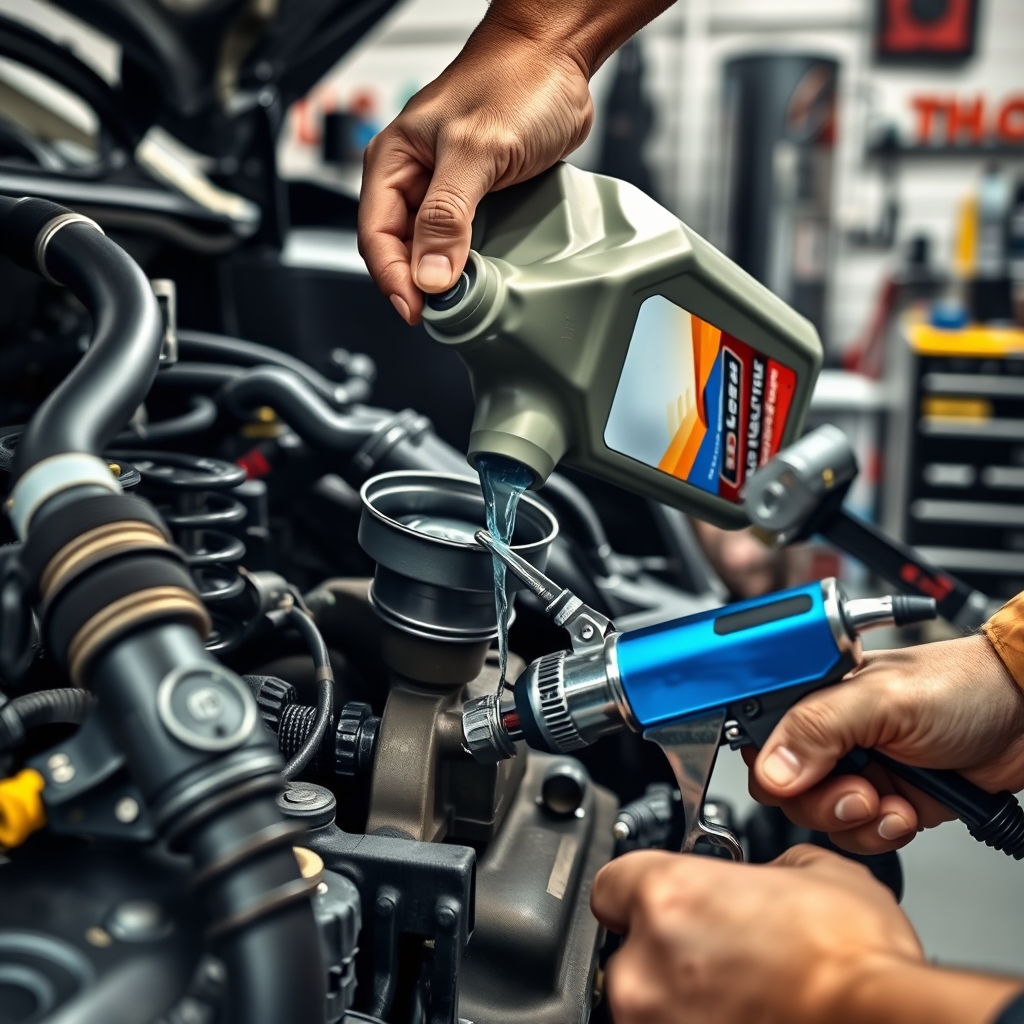
In the realm of automotive maintenance, lubrication stands as a cornerstone of vehicle longevity and performance. It’s not just about the oil in your engine; it’s about the intricate dance of fluids that keep your vehicle’s vital systems running smoothly. From the heart of your engine to the gears in your transmission, the right lubricants can make all the difference. Let’s delve into the world of lubrication and explore the various fluids that keep your vehicle in top shape.
Synthetic Motor Oil: The Engine’s Best Friend
At the core of your vehicle’s engine lies synthetic motor oil, a powerhouse of lubrication and protection. Unlike conventional oil, synthetic motor oil is engineered to perform under a wide range of temperatures and conditions. It’s a blend of highly refined base stocks and additives that provide superior protection against engine wear, sludge buildup, and even engine deposits. For high-mileage vehicles, full synthetic oil is often recommended due to its ability to maintain its properties even at high temperatures.
Choosing the Right Viscosity Grade
When selecting synthetic motor oil, it’s crucial to choose the right viscosity grade. This grade, denoted by numbers like 5W-30 or 10W-40, indicates the oil’s performance in different temperatures. The first number represents the oil’s performance in cold temperatures, while the second number indicates its performance in hot conditions. For most modern vehicles, a 5W-30 or 0W-30 oil is recommended, as it provides good cold-weather performance without sacrificing high-temperature protection.
Transmission Fluid: The Silent Partner
Your vehicle’s transmission is a complex system of gears, clutches, and fluids that work together to deliver power to your wheels. Transmission fluid, often referred to as gear oil, is the lifeblood of this system. It lubricates the gears, clutches, and other moving parts, while also helping to cool and clean them. Regular transmission fluid service is crucial for maintaining the health of your transmission and preventing costly repairs.
The Importance of Differential Fluid
Another vital fluid in your vehicle’s drivetrain is differential fluid. This fluid is responsible for lubricating the differential gears, which allow your wheels to rotate at different speeds. Differential fluid can also help to cool and clean these gears. Regular differential fluid changes are essential for maintaining the health of your drivetrain and preventing costly repairs.
Brake Fluid: The Unsung Hero
Your vehicle’s braking system is one of the most critical safety features, and brake fluid is the lifeblood of this system. Brake fluid is responsible for transmitting the force from your brake pedal to your brake calipers, which then squeeze your brake pads against your rotors. Regular brake fluid service is crucial for maintaining the health of your braking system and ensuring your safety on the road.
The Role of Steering Fluid
Another often-overlooked fluid in your vehicle is steering fluid. This fluid is responsible for lubricating the components in your power steering system, allowing you to turn your wheel with ease. Regular steering fluid flushes are essential for maintaining the health of your power steering system and preventing costly repairs.
Chassis Lubrication: The Foundation of Your Vehicle
Chassis lubrication is the process of applying lubricants to the various components of your vehicle’s chassis. This includes the suspension, steering, and drivetrain systems. Chassis lubricants can help to reduce friction, wear, and corrosion, while also providing a protective barrier against moisture and contaminants.
The Benefits of Ceramic Lubricant Spray
Ceramic lubricant spray is a type of chassis lubricant that offers several benefits over traditional lubricants. It’s designed to provide superior protection against moisture, corrosion, and wear, while also reducing friction and improving performance. Ceramic lubricant spray can be applied to a variety of components, including suspension parts, steering components, and drivetrain components.
In the world of automotive maintenance, lubrication is a critical aspect of vehicle care. From the heart of your engine to the gears in your transmission, the right lubricants can make all the difference. By understanding the various fluids that keep your vehicle running smoothly, you can take proactive steps to maintain your vehicle’s health and performance. Remember, regular fluid services and the use of high-quality lubricants can go a long way in extending your vehicle’s lifespan and keeping it running like new. So, the next time you’re at the service center, don’t forget to ask about the various fluids that keep your vehicle in top shape.