Unlocking Peak Performance: The Science Behind Modern Fuel Additives
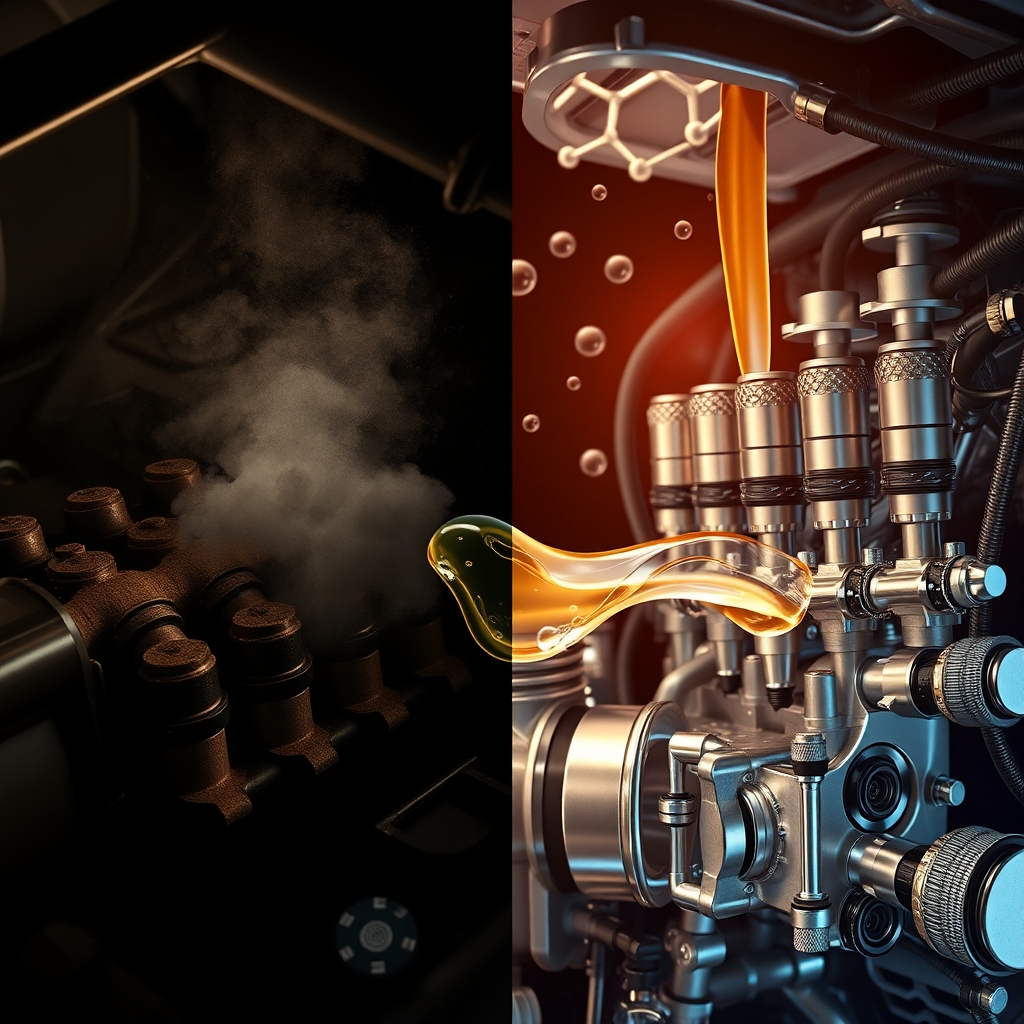
In the ever-evolving world of automotive technology, the quest for optimal engine performance and longevity remains a top priority for drivers and mechanics alike. While regular maintenance like oil changes and air filter replacements are well-known, the role of fuel additives is often overlooked. These chemical formulations, designed to enhance fuel quality and engine efficiency, can make a significant difference in how your vehicle performs, consumes fuel, and even impacts the environment. From cleaning stubborn carbon deposits to improving cold-weather operability, modern fuel additives offer a range of benefits that go beyond the capabilities of standard gasoline or diesel.
The Chemistry Behind Fuel Additives
Fuel additives are not a one-size-fits-all solution; they are meticulously engineered to address specific challenges within an engine’s fuel system. At their core, these additives are composed of active ingredients that interact with fuel to either enhance its properties or mitigate common issues. For instance, polyetheramine cleaners are designed to break down carbon deposits that accumulate on fuel injectors and intake valves, restoring lost performance and fuel efficiency. Similarly, oxygenated fuel additives increase the oxygen content in fuel, promoting more complete combustion and reducing harmful emissions.
Another key player in the additive family is the cetane improver, which is particularly vital for diesel engines. Cetane number is a measure of a fuel’s ignition quality, and higher cetane numbers lead to smoother combustion, reduced noise, and lower emissions. By incorporating cetane improvers, diesel fuel can achieve better cold-start performance and overall engine responsiveness. For gasoline engines, octane boosters serve a similar purpose by increasing the fuel’s resistance to knocking, allowing for higher compression ratios and improved power output.
Tackling Carbon Deposits: A Silent Performance Killer
One of the most persistent issues in internal combustion engines is the buildup of carbon deposits. These deposits form over time as a byproduct of incomplete combustion and can cling to critical components like fuel injectors, intake valves, and combustion chambers. The result? Reduced fuel efficiency, rough idling, and even engine misfires. Carbon deposit removers and direct injection detergents are specifically formulated to dissolve these stubborn deposits, restoring engine performance to near-factory conditions.
Modern engines, particularly those with direct injection technology, are more prone to carbon buildup due to their design. Unlike port-injected engines, where fuel washes over the intake valves, direct injection engines spray fuel directly into the combustion chamber, leaving the valves vulnerable to deposit accumulation. This is where additives like gasoline detergent packages come into play, providing a protective layer that prevents deposits from forming in the first place. Regular use of these additives can save drivers from costly repairs and keep their engines running smoothly for years to come.
Enhancing Fuel Stability and Cold-Weather Performance
Fuel stability is another critical factor, especially for vehicles that sit idle for extended periods or are stored seasonally. Over time, gasoline and diesel can degrade, leading to gum and varnish formation that clogs fuel lines and injectors. Fuel stabilizers are designed to prevent this degradation by slowing down oxidation and preserving the fuel’s integrity. This is particularly useful for classic cars, boats, and lawn equipment that may not see regular use.
For diesel engine owners, cold weather presents a unique challenge: fuel gelling. When temperatures drop, the paraffin wax in diesel fuel can solidify, clogging fuel filters and preventing the engine from starting. Diesel anti-gel additives work by lowering the fuel’s cold filter plugging point (CFPP), ensuring that it remains fluid even in freezing conditions. These additives are a must-have for drivers in colder climates, as they can prevent costly breakdowns and keep engines running reliably all winter long.
The Rise of Eco-Friendly and Synthetic Additives
As environmental concerns take center stage, the demand for eco-friendly fuel additives has surged. These additives are formulated to reduce harmful emissions without compromising performance. For example, bio cetane boosters derived from renewable sources like vegetable oils can improve diesel fuel’s cetane number while lowering its carbon footprint. Similarly, glycerol derivative additives offer a sustainable alternative to traditional petroleum-based additives, providing lubricity and corrosion protection without the environmental drawbacks.
Synthetic fuel additives, such as those containing graphene, represent the cutting edge of additive technology. Graphene’s unique properties—including its strength, conductivity, and lubricity—make it an ideal candidate for enhancing fuel efficiency and reducing friction within the engine. While still relatively new to the market, graphene-based additives show promise in delivering significant performance gains while minimizing wear and tear on engine components.
Choosing the Right Additive for Your Needs
With so many fuel additives available, selecting the right one for your vehicle can feel overwhelming. The key is to identify the specific issues you’re facing and match them with the appropriate additive. For example, if your engine is suffering from rough idling or poor acceleration, a fuel system cleaner or carbon deposit remover may be the solution. If you’re looking to improve fuel economy and reduce emissions, an oxygenated fuel additive or emissions reduction additive could be the answer.
It’s also important to consider your vehicle’s fuel type. Diesel engines, for instance, benefit from cetane improvers and anti-gel additives, while gasoline engines may require octane boosters or ethanol fuel treatments to address issues like phase separation in ethanol-blended fuels. Always follow the manufacturer’s recommendations and consult with a trusted mechanic if you’re unsure which additive is best for your needs.
Beyond performance and efficiency, fuel additives can also play a role in extending the life of your engine. Friction modifiers, for example, reduce wear on engine components by forming a protective layer that minimizes metal-to-metal contact. This not only improves engine longevity but can also lead to smoother operation and reduced maintenance costs over time. Whether you’re driving a high-performance sports car or a daily commuter, incorporating the right fuel additives into your maintenance routine can pay dividends in the long run.
The world of fuel additives is vast and continually evolving, with new innovations emerging to meet the demands of modern engines and environmentally conscious drivers. By understanding the science behind these additives and how they address specific challenges, you can make informed decisions that enhance your vehicle’s performance, efficiency, and longevity. Whether you’re looking to clean carbon deposits, improve cold-weather operability, or reduce your environmental impact, there’s a fuel additive designed to meet your needs. The key is to stay informed, choose wisely, and integrate these powerful tools into your regular maintenance routine to keep your engine running at its best, mile after mile.