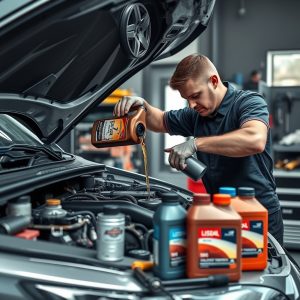
The Art of Lubrication: A Comprehensive Guide to Keeping Your Vehicle in Top Shape
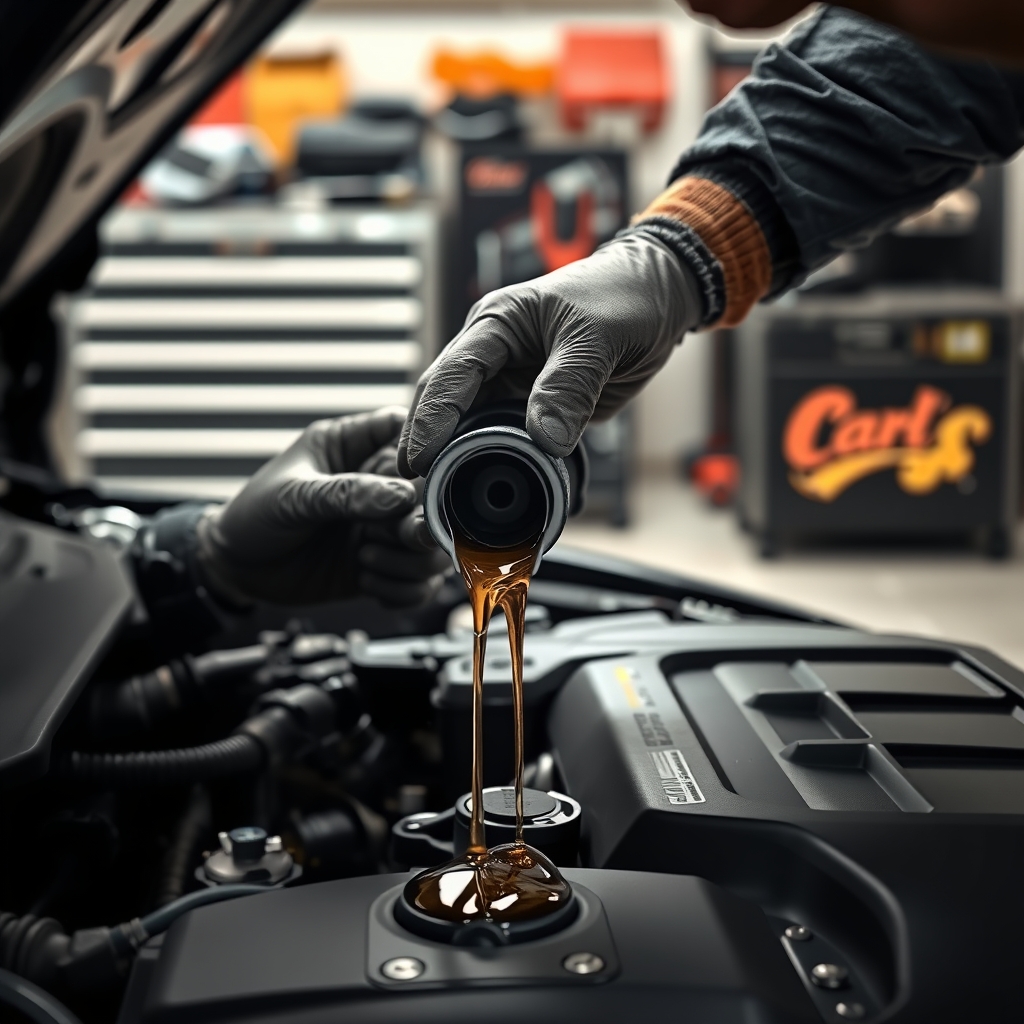
In the realm of automotive maintenance, lubrication stands as the unsung hero, silently working behind the scenes to ensure your vehicle’s optimal performance and longevity. From the heart of your engine to the intricate workings of its transmission and differential systems, the right lubricants and fluids are the lifeblood that keep your car running smoothly. In this comprehensive guide, we’ll delve into the world of lubrication, exploring the importance of synthetic motor oil, the nuances of high-mileage oil, and the critical role of specialized fluids in maintaining your vehicle’s health.
Synthetic Motor Oil: The Future of Engine Lubrication
Synthetic motor oil is a game-changer in the world of automotive lubrication. Unlike conventional mineral-based oils, synthetic motor oil is engineered to perform under a wide range of temperatures and conditions, providing superior protection for your engine. It’s designed to resist breakdown, maintain viscosity under extreme heat, and offer excellent cleaning properties, helping to remove sludge and deposits that can clog your engine’s internal passages.
Full Synthetic Oil: The Premium Choice
For those seeking the highest level of performance and protection, full synthetic oil is the way to go. This premium-grade lubricant offers the best balance of performance and protection, making it ideal for high-performance vehicles, those with high-mileage engines, or those that operate in extreme conditions. Full synthetic oil can significantly extend the life of your engine and improve its overall efficiency.
High-Mileage Oil: A Specialized Solution
As your vehicle ages, so do its lubrication needs. High-mileage oil is specifically formulated to address the unique challenges posed by older engines. These specialized oils often contain advanced additives that help to clean and protect against the buildup of sludge and deposits, which can become more pronounced as your vehicle accumulates miles.
Oil Viscosity Grade: Finding the Right Fit
The viscosity grade of your engine oil is a critical factor in its performance. This grade indicates the oil’s resistance to flow at different temperatures. For most modern vehicles, a 5W-30 or 5W-20 oil is a good starting point. However, it’s essential to consult your vehicle’s owner’s manual to determine the recommended oil viscosity grade for your specific make and model.
Beyond the Engine: Other Critical Fluid Services
Lubrication isn’t just about engine oil. Your vehicle’s transmission, differential, and other systems also require specialized fluids to function smoothly. Let’s explore some of these critical fluid services.
Transmission Fluid Service: Smooth Shifts and Long-Lasting Gears
Transmission fluid is the lifeblood of your vehicle’s gearbox. Regular transmission fluid service is essential to ensure smooth shifts, prevent gear wear, and extend the life of your transmission. It’s recommended to change your transmission fluid every 30,000 to 60,000 miles, depending on your vehicle’s make and model.
Differential Fluid Change: Ensuring Power and Traction
The differential fluid is responsible for lubricating the gears in your vehicle’s differential. Regular differential fluid changes are crucial to prevent gear wear, ensure proper power transfer, and maintain your vehicle’s traction. For most vehicles, a differential fluid change is recommended every 30,000 to 60,000 miles.
Steering Fluid Flush: Smooth Steering and Reduced Wear
Steering fluid is responsible for lubricating the components in your vehicle’s steering system. Regular steering fluid flushes can help to reduce wear, improve steering response, and extend the life of your steering system. It’s recommended to flush your steering fluid every 20,000 to 30,000 miles.
Specialized Lubricants and Additives: The Unsung Heroes
In addition to regular fluid services, there are several specialized lubricants and additives that can help to keep your vehicle running like new. Let’s explore some of these.
Engine Sludge Cleaner: Restoring Your Engine’s Health
Engine sludge is a common issue in older vehicles. This thick, sticky substance can form in your engine’s oil passages, causing reduced performance and increased wear. Engine sludge cleaners can help to break down and remove this sludge, restoring your engine’s health and performance.
Fuel Additive Treatment: Boosting Performance and Efficiency
Fuel additives can help to improve your vehicle’s fuel efficiency, performance, and emissions. These additives can clean your fuel system, improve combustion, and reduce the formation of harmful deposits. Regular fuel additive treatments can help to keep your engine running smoothly and efficiently.
Oil Leak Sealer: Preventing Costly Repairs
Oil leaks can be a common issue, often leading to costly repairs if left unaddressed. Oil leak sealers can help to plug small leaks, preventing further damage and saving you money in the long run.
Ceramic Lubricant Spray: Reducing Friction and Wear
Ceramic lubricant sprays are designed to reduce friction and wear in your vehicle’s moving parts. These sprays can help to extend the life of your vehicle’s components and improve its overall performance.
The world of lubrication is vast and complex, with each vehicle and each system requiring specialized care. By understanding the importance of synthetic motor oil, the nuances of high-mileage oil, and the critical role of specialized fluids and additives, you can ensure that your vehicle remains in top shape for years to come. Regular maintenance, combined with the right lubricants and fluids, is the key to unlocking your vehicle’s full potential and extending its lifespan. So, the next time you’re at the service center, remember that the right lubrication is the lifeblood of your engine, and it’s worth every penny to keep it flowing smoothly.